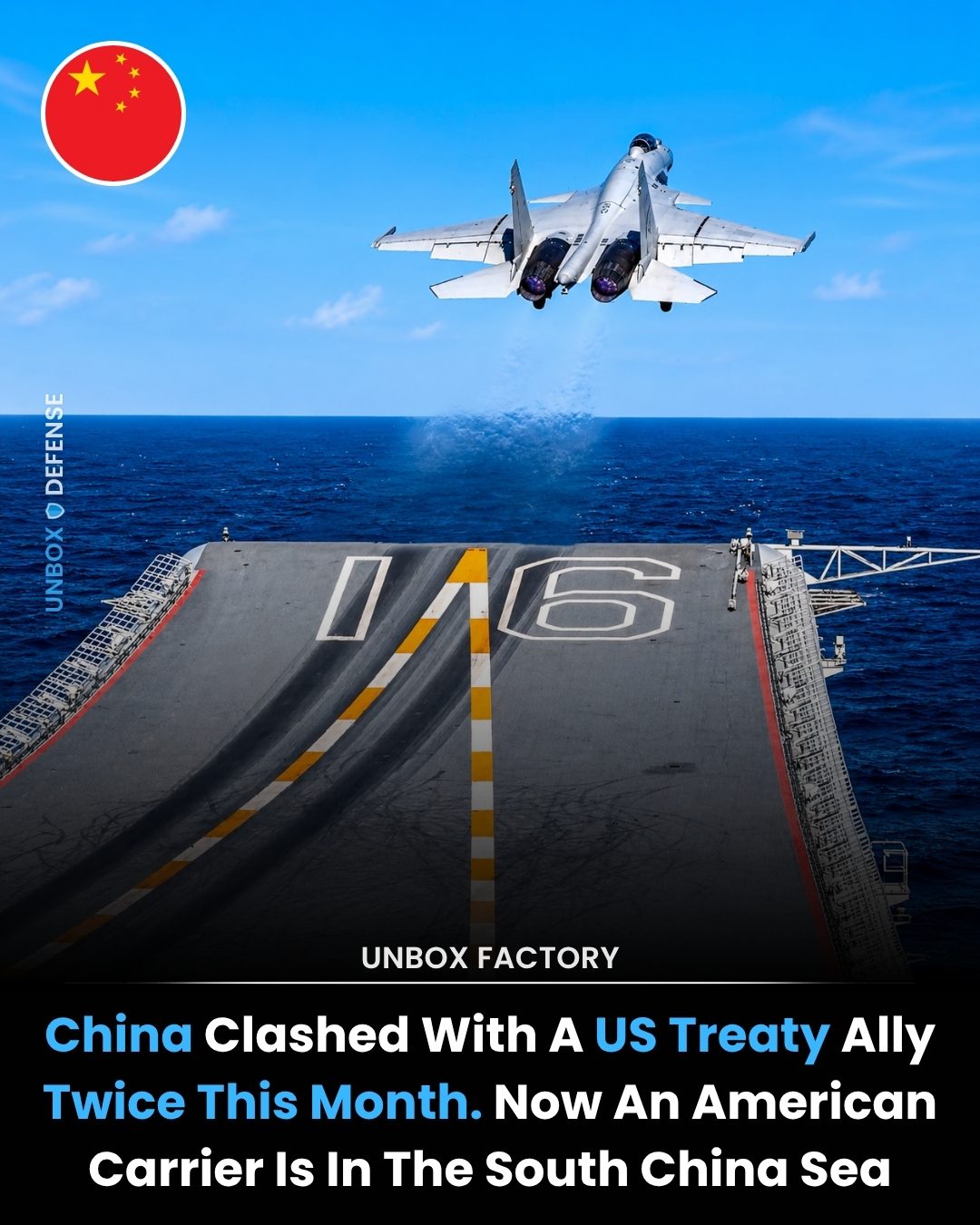
The Strategic Importance of the South China Sea
The South China Sea is a critical maritime region that plays a pivotal role in global trade, fisheries, and energy resources. This body of water, stretching from the Strait of Malacca to the Strait of Taiwan, sees nearly one-third of global maritime commerce pass through its waters annually. The region's strategic significance is underscored by the recent deployment of an American aircraft carrier strike group, following two confrontations between Chinese forces and a U.S. treaty ally.
Why This Matters
The South China Sea is more than just a maritime highway; it is a hotbed of geopolitical tensions and a key arena for naval operations. The U.S. deployment of an aircraft carrier strike group serves multiple purposes, including reinforcing freedom of navigation operations and reassuring regional allies under existing defense agreements. This move is a clear signal of the United States' commitment to maintaining stability and security in the region, especially in the face of escalating tensions.
Geopolitical Tensions and Naval Operations
Recent Confrontations
In recent months, geopolitical tensions in the South China Sea have intensified, marked by confrontations between Chinese forces and a U.S. treaty ally. These incidents have prompted the United States to take decisive action, deploying an aircraft carrier strike group to the region. This deployment is aimed at reinforcing freedom of navigation operations, a critical component of maintaining open and secure sea lanes.
The Role of Aircraft Carriers
Aircraft carriers are the cornerstone of U.S. naval power, providing a mobile, flexible platform for projecting military force. The presence of an American carrier in the South China Sea serves as a deterrent to potential adversaries and a reassurance to allies. These vessels can launch a variety of aircraft, including fighter jets, which can be seen flying over the ocean, symbolizing the U.S.'s readiness and capability to respond to threats.
Defense Agreements and Regional Allies
The deployment of the aircraft carrier strike group is also a testament to the United States' commitment to its defense agreements with regional allies. Countries like the Philippines, Vietnam, Malaysia, Brunei, Taiwan, and others in the region rely on these agreements for their security. The U.S. presence helps to deter aggression and maintain the balance of power in the South China Sea.
Economic and Strategic Importance
Global Trade
The South China Sea is a critical artery for global trade, with an estimated $3–5 trillion in trade passing through its waters annually. This makes it one of the most economically important maritime regions in the world. The presence of an American carrier helps to ensure that these vital trade routes remain open and secure, facilitating the flow of goods and maintaining economic stability.
Rich Natural Resources
Beyond its role in global trade, the South China Sea is also rich in natural resources, including significant oil and natural gas reserves. These resources are crucial for the energy security of the countries in the region. The presence of an aircraft carrier strike group helps to protect these resources, ensuring that they can be exploited for the benefit of the countries involved.
Practical Tips for Understanding the South China Sea
Stay Informed
Staying informed about the geopolitical dynamics in the South China Sea is crucial for understanding the broader implications of naval operations in the region. Keeping up with news and developments can help you make more informed decisions, whether you are involved in maritime trade, energy, or defense.
Monitor Naval Movements
Monitoring naval movements and deployments in the South China Sea can provide valuable insights into the strategic posture of major powers. Understanding these movements can help you anticipate potential conflicts and prepare for their potential impact on global trade and security.
Consider the Economic Impact
The South China Sea's role in global trade and energy security means that any disruption in the region can have far-reaching economic consequences. Staying informed about the economic implications of geopolitical tensions and naval operations can help you better prepare for potential disruptions in global markets.
Important Takeaways
The South China Sea is a strategically crucial region, central to global trade and rich in natural resources. The recent deployment of an American aircraft carrier strike group underscores the U.S.'s commitment to maintaining freedom of navigation and reassuring its allies. The presence of these powerful vessels, capable of launching fighter jets and other aircraft, serves as a potent deterrent to potential adversaries and a reassurance to allies. The region's economic and strategic importance makes it a focal point for geopolitical tensions and naval operations.
Conclusion
The South China Sea remains a key arena for geopolitical tensions and naval operations, with the recent deployment of an American aircraft carrier strike group highlighting the region's strategic significance. The presence of these powerful vessels serves as a deterrent and a reassurance, while the region's economic importance underscores the need for continued vigilance and engagement. Understanding the dynamics of the South China Sea is crucial for anyone involved in global trade, energy security, or defense.
Watch the Reel
Questions readers ask
Why is the South China Sea significant for global trade?
The South China Sea is significant for global trade because nearly one-third of the world's maritime commerce passes through its waters annually. This includes goods, energy resources, and other vital commodities. It serves as a crucial link between the Pacific and Indian Oceans, making it an indispensable route for global shipping.
What is the primary goal of the U.S. Navy's deployment in the South China Sea?
The primary goal of the U.S. Navy's deployment in the South China Sea is to reinforce regional security and ensure the freedom of navigation. This presence aims to protect global trade routes, counter Chinese assertiveness, and reassure allies in the region.
What recent events prompted the U.S. Navy's deployment?
The U.S. Navy's deployment was prompted by recent confrontations between Chinese forces and a U.S. treaty ally in the South China Sea. These incidents highlighted the escalating tensions and the need for a robust U.S. presence to safeguard regional stability. The U.S. responded by deploying an aircraft carrier strike group, a strong signal of its commitment to the region.
What does the deployment of a U.S. aircraft carrier strike group signify?
The deployment of a U.S. aircraft carrier strike group signifies a strong show of force and a commitment to regional security. It demonstrates the U.S. Navy's capability to project power, respond to crises, and maintain the freedom of navigation in the South China Sea. This deployment also serves as a deterrent to potential adversaries and reassures U.S. allies in the region.
How does the U.S. Navy's presence in the South China Sea affect regional geopolitics?
The U.S. Navy's presence in the South China Sea affects regional geopolitics by acting as a counterbalance to China's growing military influence. It helps to maintain a power equilibrium, encourages peaceful resolutions to disputes, and supports the sovereignty of countries with overlapping territorial claims. This presence also underscores the importance of international laws and norms in maritime governance.
What role do U.S. allies play in the South China Sea?
U.S. allies play a crucial role in the South China Sea by collaborating with the U.S. Navy to maintain regional stability. They contribute to joint naval exercises, intelligence sharing, and collective defense efforts. This collaboration strengthens the collective security posture in the region and helps to counterbalance China's assertive behavior.
How does the U.S. Navy’s strategy in the South China Sea address recent China-U.S. military confrontations?
The U.S. Navy's strategy in the South China Sea addresses recent China-U.S. military confrontations by demonstrating a strong and sustained presence. This presence serves as a deterrent to further provocations and reassures allies of U.S. commitment to the region. By conducting regular naval operations, the U.S. Navy underscores its resolve to protect freedom of navigation and uphold international maritime law.
Recent articles
Fresh deep dives from the latest Reels we unpacked.




Comments
Be the first to comment.