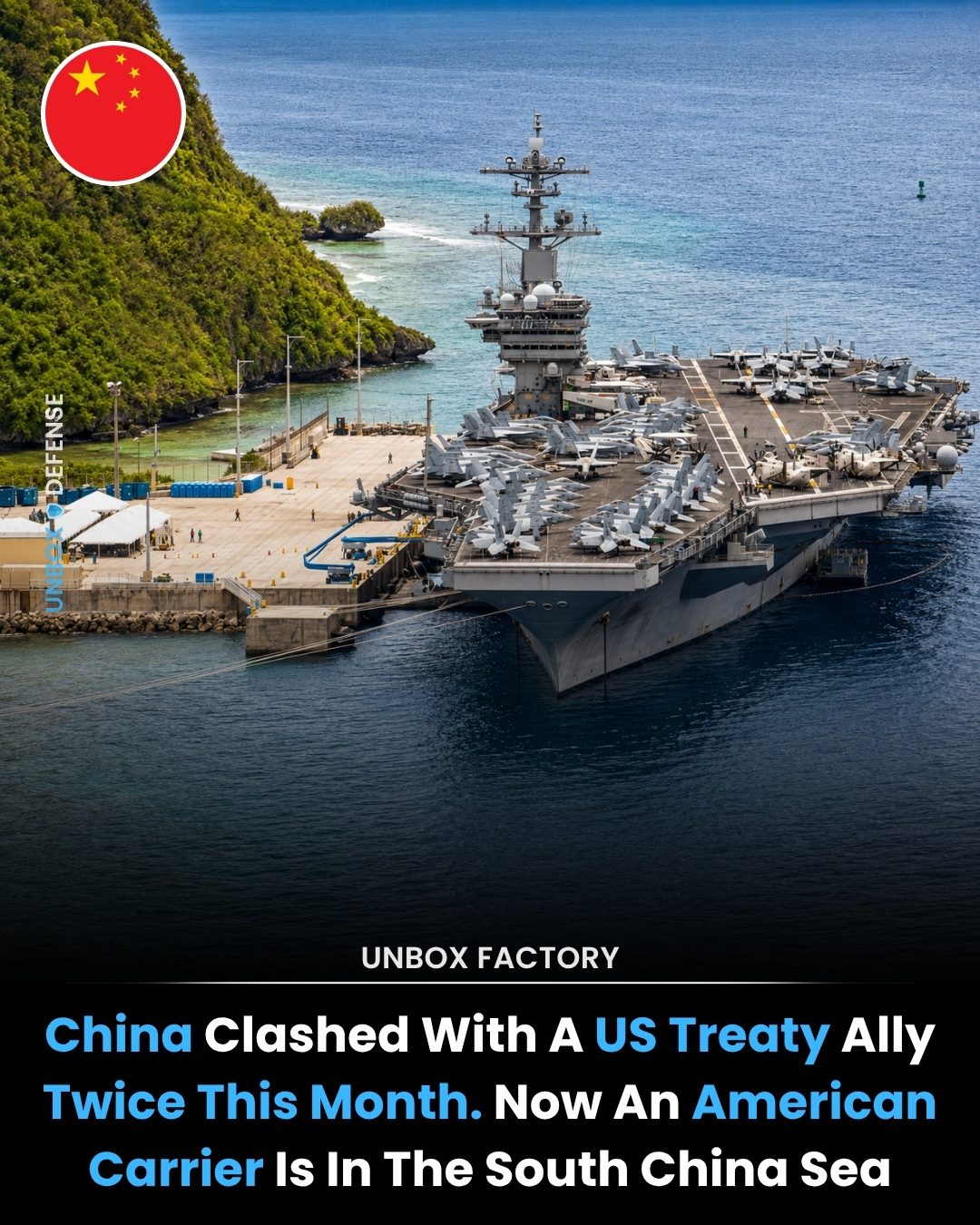
The U.S. Navy's Aircraft Carrier Deployment in the South China Sea
The South China Sea has become a focal point of geopolitical tension, with the recent deployment of a U.S. Navy aircraft carrier strike group into the region. This move comes in response to multiple confrontations between China and a U.S. treaty ally, aimed at reinforcing regional security and freedom of navigation. The Nimitz-class aircraft carrier, a formidable vessel, carries around 5,000 personnel and more than 60 combat aircraft, accompanied by guided-missile destroyers, cruisers, submarines, and logistics ships.
Context: Why This Matters
The South China Sea is one of the most strategic waterways in the world, with over $3 trillion worth of global trade passing through it annually. The region is also the subject of overlapping territorial claims involving China, the Philippines, Vietnam, Malaysia, Brunei, and Taiwan. These claims often lead to disputes over disputed reefs, islands, and maritime boundaries, making the deployment of the U.S. Navy a significant geopolitical move.
The South China Sea: A Hotspot of Disputed Territories
Historical Context
The South China Sea has long been a contentious area due to its rich natural resources and strategic importance. The disputed territories include the Paracel Islands, the Spratly Islands, and the Scarborough Shoal, among others. These areas are claimed by multiple countries, each with historical and legal arguments supporting their claims.
Key Players in the Dispute
- China: Claims the majority of the South China Sea as its territory, backed by extensive land reclamation and military installations on artificial islands.
- Philippines: Claims the Spratly Islands and Scarborough Shoal, with some of the disputes already adjudicated by an international tribunal.
- Vietnam: Claims the Paracel and Spratly Islands, with significant military presence in the region.
- Malaysia and Brunei: Both countries have overlapping claims with China, particularly in the Spratly Islands.
- Taiwan: Claims the same territories as China, further complicating the dispute.
The U.S. Navy's Role in the South China Sea
Reinforcing Regional Security
The deployment of a U.S. Navy aircraft carrier strike group is a clear demonstration of U.S. resolve to maintain regional security and freedom of navigation. The Nimitz-class aircraft carrier, a key component of the strike group, is equipped with advanced weaponry and personnel, making it a powerful deterrent in the region.
Freedom of Navigation Operations
Freedom of Navigation Operations (FONOPs) are a routine part of U.S. naval activities in the South China Sea. These operations involve sailing U.S. warships through international waters claimed by China, asserting the right of passage and challenging excessive maritime claims.
Strategic Importance
The South China Sea's strategic importance cannot be overstated. It serves as a critical route for global trade and is rich in natural resources, including oil and gas reserves. The U.S. presence in the region is aimed at ensuring that these vital routes remain open and secure for all nations.
Diplomatic and Military Implications
The deployment of the U.S. Navy aircraft carrier strike group sends a strong diplomatic message to China and other claimant countries. It underscores the U.S. commitment to its allies in the region and its stance on the importance of adhering to international law and norms in maritime disputes.
Practical Tips for Understanding the Geopolitical Landscape
Stay Informed
Understanding the geopolitical dynamics of the South China Sea requires staying informed about the latest developments. Reliable sources of information include official statements from the U.S. Navy, regional news outlets, and international organizations.
Follow Key Players
Pay attention to the actions and statements of key players in the region, including China, the Philippines, Vietnam, Malaysia, Brunei, and Taiwan. Each country's policies and actions can significantly impact the geopolitical landscape.
Monitor Military Movements
Keep an eye on military movements and exercises in the South China Sea. The deployment of naval assets, such as aircraft carriers and destroyers, can provide clues about the evolving strategic landscape.
Important Takeaways
The deployment of a U.S. Navy aircraft carrier strike group to the South China Sea is a significant move in the ongoing geopolitical tensions in the region. It underscores the importance of maintaining regional security and freedom of navigation, while also asserting the U.S. commitment to its allies and international law.
Conclusion
The South China Sea remains a critical strategic waterway, with its disputes and tensions having far-reaching implications for global trade and security. The recent deployment of a U.S. Navy aircraft carrier strike group is a clear signal of the U.S. resolve to maintain stability in the region. Understanding the complexities of the South China Sea disputes is essential for grasping the broader geopolitical dynamics at play.
Watch the Reel
Questions readers ask
Why is the South China Sea significant for global trade?
The South China Sea is a vital artery for global commerce, with over $3 trillion in trade passing through it each year. It connects major economies in Asia, Europe, and the Middle East, making it a critical route for both imports and exports.
What is the purpose of the U.S. Navy's aircraft carrier deployment in the South China Sea?
The deployment aims to bolster regional security, ensure freedom of navigation, and demonstrate U.S. commitment to its allies. It also serves as a deterrent to potential aggression and a show of force amidst ongoing disputes.
Which countries have territorial claims in the South China Sea?
Several countries have overlapping territorial claims in the South China Sea, including China, Vietnam, the Philippines, Malaysia, Brunei, and Taiwan. These disputes involve islands, reefs, and potentially lucrative natural resources.
What types of ships accompany the aircraft carrier in the strike group?
The strike group includes guided-missile destroyers, guided-missile cruisers, submarines, and logistics ships. These vessels provide air defense, anti-submarine warfare, and logistical support to the aircraft carrier.
How does the U.S. Navy's presence affect South China Sea geopolitics?
The U.S. Navy's presence helps maintain a balance of power, reassures allies, and encourages peaceful resolution of disputes. It also serves as a reminder of the U.S.'s commitment to a rules-based international order and its support for freedom of navigation.
What is the significance of the Nimitz-class aircraft carrier?
The Nimitz-class aircraft carrier is one of the most powerful warships in the world, capable of projecting air power over long distances. With around 5,000 personnel and more than 60 combat aircraft, it serves as a versatile and formidable asset in the region.
How do the U.S. Navy's allies in Asia benefit from this deployment?
Allies such as Japan, South Korea, and the Philippines benefit from enhanced security cooperation, deterrence against potential threats, and reassurance of the U.S. commitment to regional security. The deployment also enables joint exercises and training opportunities.
Recent articles
Fresh deep dives from the latest Reels we unpacked.




Comments
Be the first to comment.