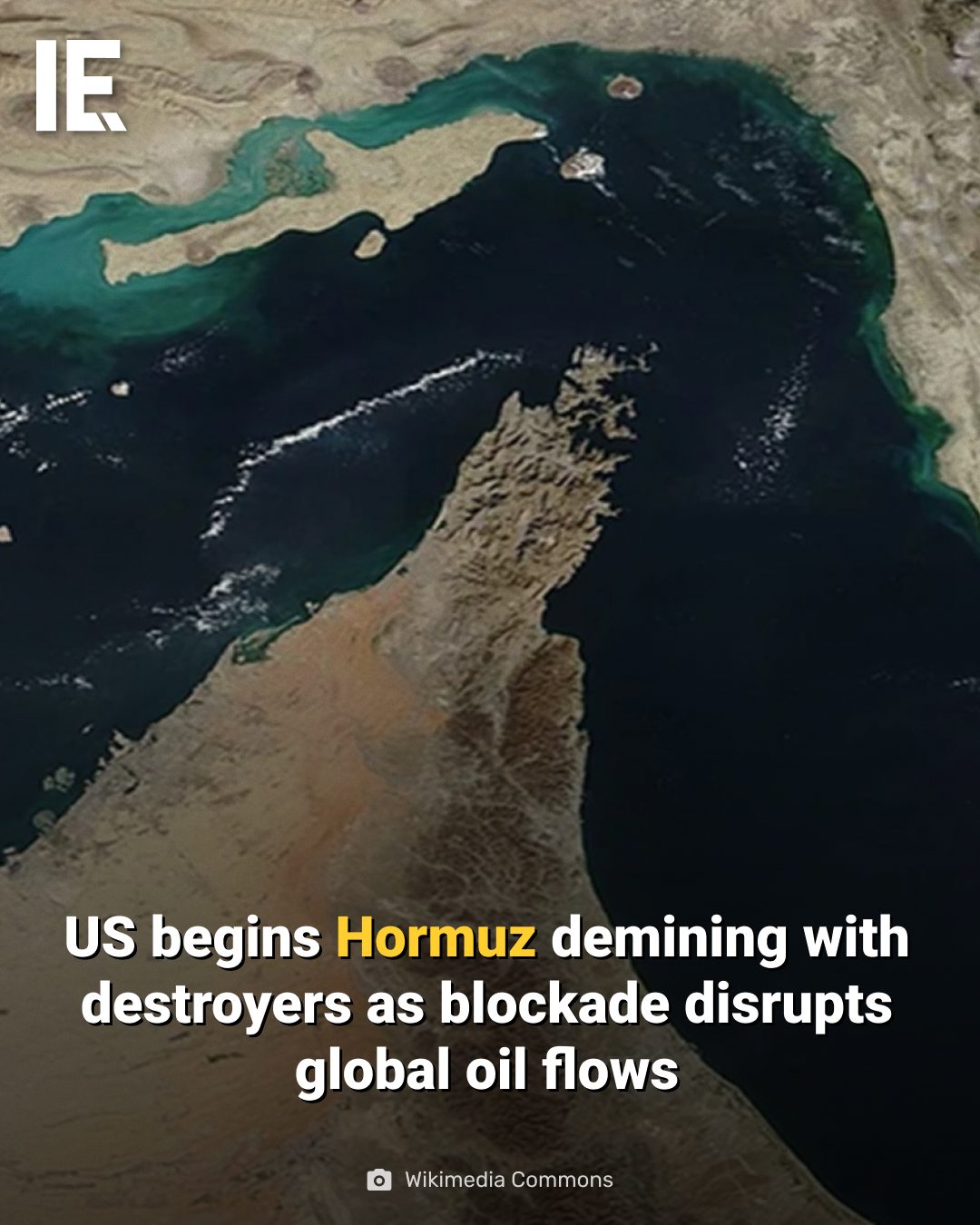
US Naval Operations in the Strait of Hormuz
The Strait of Hormuz, a critical waterway for global oil flows, is currently the site of significant US naval operations. The US Navy has deployed destroyers to conduct demining operations, a development with far-reaching implications for international maritime security and oil supply chains.
Why This Matters
The Strait of Hormuz is a narrow channel connecting the Persian Gulf to the Gulf of Oman, and it is one of the world's most strategically important waterways. About 20% of the world's oil passes through the strait, making it a vital artery for global energy supplies. Any disruptions in this region can have a domino effect on oil prices and economies worldwide. The current demining operations highlight the delicate balance of power and the potential for conflict in the Middle East.
Understanding the Demining Operations
The Role of Destroyers
Destroyers are versatile warships equipped to handle a variety of missions, including anti-submarine warfare, anti-air warfare, and mine countermeasures. In the context of the Strait of Hormuz, destroyers are being used to clear naval mines, which are explosive devices placed in the water to damage or destroy ships. These mines pose a significant threat to maritime navigation and can disrupt critical supply routes.
The Current Situation
Iran has reportedly lost track of some naval mines in the Strait of Hormuz, prompting the US to intervene. The US Navy’s demining operations are centered around identifying and neutralizing these mines to ensure the safe passage of vessels through the strait. This task is complex and dangerous, requiring specialized equipment and highly trained personnel.
Impact on Global Oil Flows
The demining operations are disrupting global oil flows, although the extent and duration of these disruptions are yet to be fully understood. Oil tankers and other commercial vessels are likely to face delays and potential rerouting, which can increase transportation costs and create supply chain bottlenecks. The geopolitical implications are also significant, as tensions between the US and Iran have the potential to escalate further.
Practical Tips for Navigating the Situation
Stay Informed
For those involved in maritime shipping or the oil industry, staying informed about the latest developments in the Strait of Hormuz is crucial. Regular updates from reliable sources can help businesses plan and mitigate potential disruptions.
Diversify Supply Chains
Companies that rely heavily on oil transported through the Strait of Hormuz may consider diversifying their supply chains. Exploring alternative routes or sourcing oil from different regions can reduce dependence on a single maritime corridor.
Monitor Oil Prices
The disruptions in the Strait of Hormuz are likely to influence global oil prices. Businesses and consumers should monitor price fluctuations and adjust their budgets accordingly. Keeping a close eye on market trends can help in making informed decisions.
Important Takeaways
The Significance of Maritime Security
The current situation in the Strait of Hormuz underscores the importance of maritime security. Ensuring the safe passage of vessels through critical waterways is essential for maintaining global trade and energy supplies.
The Role of International Cooperation
Addressing maritime threats often requires international cooperation. The US demining operations in the Strait of Hormuz highlight the need for coordinated efforts between nations to maintain maritime security and stability.
The Need for Preparedness
Businesses and governments must be prepared for potential disruptions in critical supply routes. Having contingency plans and diversified supply chains can help mitigate the impact of such disruptions.
Conclusion
The US naval operations in the Strait of Hormuz are a reminder of the geopolitical dynamics at play in this strategically important region. As demining operations continue, the world will be watching closely to see how these developments unfold and what they mean for global oil supplies and maritime security. Staying informed, prepared, and adaptable will be key to navigating the challenges that lie ahead.
Watch the Reel
Questions readers ask
What are the primary goals of the US Navy's demining operations in the Strait of Hormuz?
The main objectives are to ensure maritime safety by clearing naval mines and maintain stable global oil supplies. By keeping the Strait of Hormuz clear of hazards, the US Navy helps to prevent disruptions in one of the world's most critical energy supply chains.
What types of naval vessels are involved in these operations?
The US Navy has deployed destroyers to conduct demining operations in the Strait of Hormuz. These vessels are equipped with specialized capabilities to detect, neutralize, and clear naval mines effectively.
Why is the Strait of Hormuz so important for global energy supplies?
The Strait of Hormuz is a narrow channel that connects the Persian Gulf to the Gulf of Oman, through which about 20% of the world's oil passes. Disruptions in this region can lead to significant fluctuations in global oil prices and impact economies worldwide.
What are the potential consequences of disruptions in the Strait of Hormuz?
Disruptions in the Strait of Hormuz can have a domino effect on oil prices and economies around the world. The current demining operations aim to prevent such disruptions, ensuring the stability of global energy supplies and maritime security.
How do the US Navy's operations in the Strait of Hormuz impact global maritime security?
By conducting demining operations, the US Navy helps to maintain maritime safety and security in the Strait of Hormuz. This contributes to the overall stability of global maritime energy supplies and ensures that one of the world's most crucial waterways remains open and secure.
What role do Iranian naval mines play in these operations?
The deployment of naval mines by Iran in the Strait of Hormuz poses a significant threat to maritime safety. The US Navy's demining operations are a direct response to this threat, aiming to clear these hazards and ensure the safe passage of vessels through the strait.
What are the implications of the US Navy's operations for the broader geopolitical landscape?
The US Navy's operations in the Strait of Hormuz highlight the delicate balance of power in the region. By conducting demining operations, the US Navy sends a clear message about its commitment to maintaining maritime security and protecting global energy supplies, which can have broader geopolitical implications.
Recent articles
Fresh deep dives from the latest Reels we unpacked.




Comments
Be the first to comment.