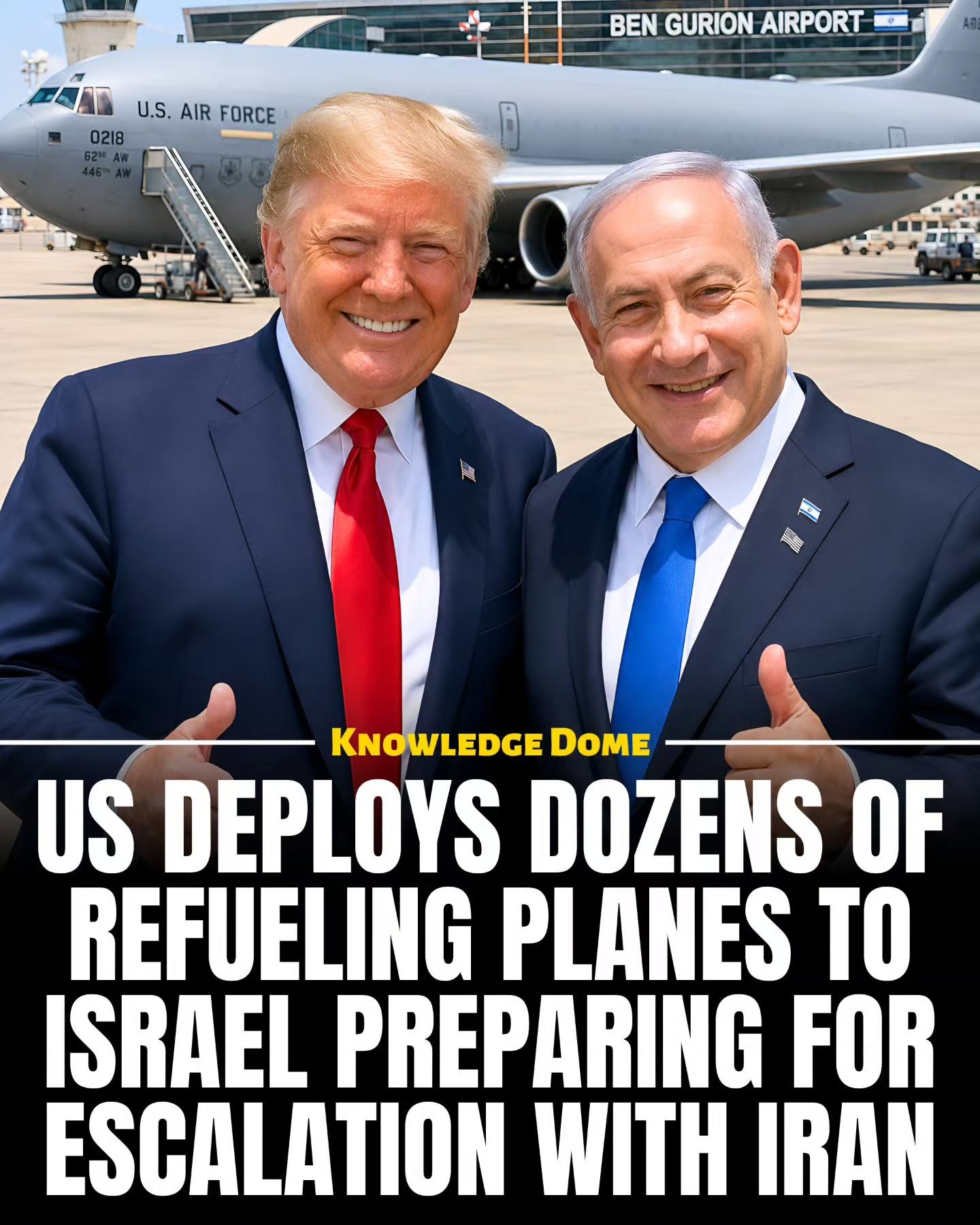
The U.S. Military Buildup in Israel
The United States has significantly escalated its military presence in Israel by deploying dozens of aerial refueling aircraft. This move is a direct response to the ongoing and intensifying conflict with Iran. The Trump administration has taken this step to prepare for potential further military actions. The deployment includes more than 33 U.S. tanker planes, with a substantial number already stationed at Ben Gurion International Airport, as well as other Israeli air bases like Ramon Airport.
Context / Why this matters
The military buildup in Israel is a critical development in the geopolitical landscape of the Middle East. It underscores the heightened tensions between the U.S. and Iran, and it signals a potential shift in the dynamics of the region. The deployment of aerial refueling aircraft is particularly significant because these planes extend the operational range and duration of fighter jets, enabling them to undertake long-distance missions more effectively.
Main discussion
The Strategic Importance of Aerial Refueling
Aerial refueling aircraft are crucial in modern military operations. By providing mid-air refueling, these planes allow fighter jets to stay airborne for extended periods, increasing their effectiveness in long-range missions. The deployment of dozens of these aircraft to Israel demonstrates a clear intent to bolster the military capabilities in the region, ensuring that U.S. and allied forces can operate more efficiently and effectively.
Military Deployments and Their Impact
The deployment of these aircraft has had a noticeable impact on civilian travel and airport operations. At Ben Gurion International Airport, the influx of military planes has led to disruptions in commercial flights. The busy summer travel season has seen delays and limitations in runway space, making normal airport operations more challenging. This disruption highlights the logistical challenges that come with large-scale military deployments.
Potential Next Steps and Escalations
The situation is evolving rapidly. President Trump's administration is reportedly reviewing more extensive strike options against Iran. These potential targets include power plants, critical infrastructure, and underground nuclear sites, suggesting a readiness for a significant escalation of the conflict. The U.S. Navy is also increasing its pressure at sea, adding to the overall military buildup in the region.
Political Dimensions
The image of Donald Trump and Benjamin Netanyahu standing together in front of a U.S. Air Force refueling plane at Ben Gurion Airport underscores the political dimensions of this military deployment. The close collaboration between the U.S. and Israel is evident, with the Trump administration informing Israeli officials about the deployment ahead of time. This coordination is crucial as both nations prepare for potential military actions.
Practical tips
For civilians and travelers:
- Stay Informed: Keep an eye on official updates from airports and airlines, as travel disruptions are likely to continue.
- Plan Ahead: If you have travel plans to or from Ben Gurion International Airport, consider scheduling flexibility to accommodate potential delays.
For those interested in the geopolitical implications:
- Follow Reliable Sources: Stay updated with trusted news outlets for the latest developments in the conflict between the U.S. and Iran.
- Understand the Impact: Recognize how military deployments can affect civilian life and national policies.
Important takeaways
The deployment of aerial refueling aircraft to Israel is a strategic move aimed at reinforcing military capabilities in the face of escalating tensions with Iran. This buildup has significant implications for both military operations and civilian life, particularly in terms of airport disruptions.
The coordination between the U.S. and Israel, as well as the potential for further military actions, indicates a serious shift in the geopolitical dynamics of the Middle East. The situation remains fluid, and continued attention to developments is essential for understanding the evolving conflict.
Conclusion
The U.S. military buildup in Israel, marked by the deployment of aerial refueling aircraft, is a pivotal moment in the ongoing tensions with Iran. The strategic importance of these aircraft, the impact on civilian travel, and the potential for further military actions all highlight the significance of this development. Understanding these aspects provides a clearer picture of the geopolitical landscape and the possible trajectories of the conflict.
Watch the Reel
Questions readers ask
Why has the U.S. deployed aerial refueling aircraft to Israel?
The U.S. has deployed aerial refueling aircraft to Israel to support long-range military missions and enhance its readiness for potential conflicts with Iran. This move aims to extend the range and endurance of U.S. aircraft, ensuring they can effectively operate in the region across various scenarios.
Which Israeli airports are affected by the U.S. military deployment?
The U.S. military deployment has resulted in disruptions at several Israeli airports, with a significant number of aerial refueling aircraft stationed at Ben Gurion International Airport, and other Israeli air bases like Ramon Airport. These deployments may lead to changes in civilian flight schedules and airport operations.
How does this deployment impact civilian air travel in Israel?
The deployment of military aircraft at Israeli airports is likely to cause disruptions in civilian air travel. Passengers may experience delays, flight cancellations, or re-routing as the military prioritizes its operations. It is advisable for travelers to check with their airlines for the most up-to-date information.
What types of military aircraft are being deployed to Israel?
The U.S. is deploying aerial refueling aircraft, specifically tanker planes, to Israel. These aircraft are designed to support long-range military missions by refueling other aircraft in mid-air, allowing them to extend their operational range and duration over the Middle East.
What is the significance of the U.S. military buildup in Israel?
The U.S. military buildup in Israel signals a significant escalation in tensions with Iran. This strategic move demonstrates the U.S. commitment to supporting its ally Israel, while also underscoring the potential for further military actions in the region.
Related deep dives
Similar reads based on topic and creator.


Recent articles
Fresh deep dives from the latest Reels we unpacked.




Comments
Be the first to comment.