U.S. Military Preparations and Diplomatic Efforts in the Caribbean
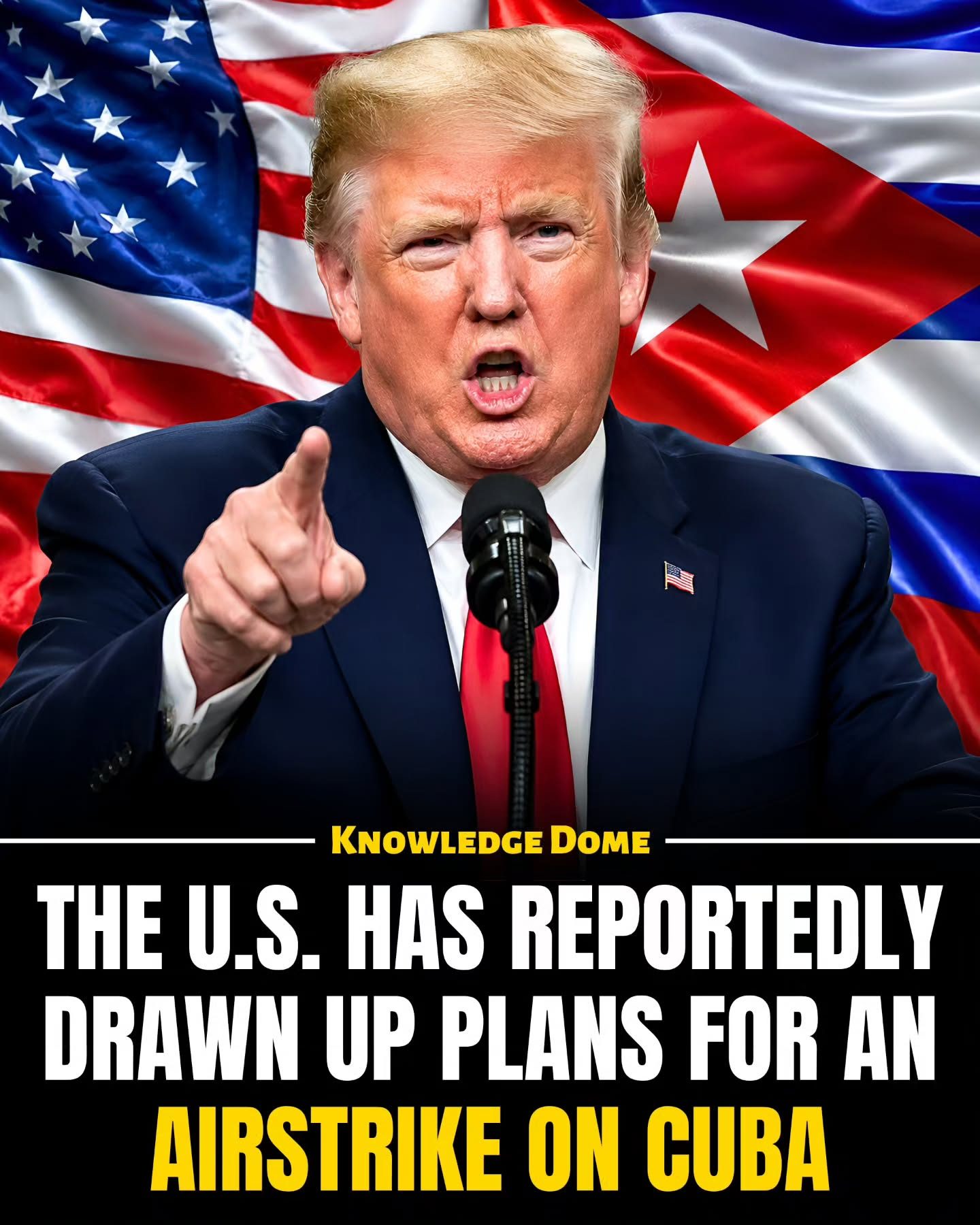
The Pentagon is currently reviewing several military plans for Cuba, ranging from limited precision airstrikes to large-scale air assaults. While these plans are being considered, there is no imminent threat of an attack. The options under discussion include targeted strikes on drone-related infrastructure and a more extensive operation involving thousands of troops. Concurrently, the United States has been increasing its military presence in the Caribbean, deploying ships, destroyers, Marine units, and surveillance drones. Despite these preparations, U.S. officials emphasize that diplomacy remains the preferred approach to resolving tensions.
The Current Context in the Caribbean
The recent military build-up and discussions surrounding potential airstrikes are part of a broader context of escalating tensions. The primary concern for U.S. officials is the alleged transfer of 300 military drones from Russia and Iran to Cuba. These drones raise concerns about potential threats to strategic locations like Florida and Guantanamo Bay. Cuba, however, has vehemently denied these claims, asserting that they are false.
Additionally, Cuba is already grappling with significant internal challenges, including fuel shortages, sanctions, and power problems. These issues have exacerbated the country's vulnerabilities, leading to heightened concerns about potential military conflicts. Cuban leader Miguel Díaz-Canel has warned that any U.S. military action could result in severe bloodshed, underscoring the seriousness of the situation. Cuban forces are now on high alert, prepared for any potential developments.
Military Preparedness and Diplomatic Efforts
Military Readiness
The U.S. has been strategically positioning its military assets in the Caribbean for several months. This includes the deployment of naval vessels, destroyers, Marine units, and advanced surveillance drones. The goal is to maintain a strong defensive posture while monitoring the situation closely. The presence of these assets ensures that the U.S. is prepared for a range of potential scenarios, from limited engagements to more extensive military operations.
Diplomatic Channels
Despite the military buildup, diplomatic efforts remain a cornerstone of the U.S. strategy. Officials continually reiterate the preference for diplomatic solutions to resolve the current tensions. The focus is on maintaining open communication channels and exploring peaceful resolutions to the ongoing issues. This dual approach of military readiness and diplomatic engagement aims to deter potential aggression while leaving room for peaceful negotiations.
The Role of Drones and Military Technology
Drone Threat Assessment
One of the primary concerns for U.S. officials is the potential deployment of drones by Cuba. The drones, reportedly sourced from Russia and Iran, raise significant security concerns. These drones could be used for surveillance, reconnaissance, or even direct attacks on U.S. targets. The proximity of these drones to strategic locations like Florida and Guantanamo Bay makes the threat particularly alarming.
U.S. officials are closely monitoring the situation and have been conducting investigations to verify the presence and capabilities of these drones. President Trump has mentioned that the U.S. is exploring whether Iran is using Cuba as a storage site for drones and missiles, further complicating the geopolitical landscape.
Technological Advancements
The deployment of advanced military technology, such as surveillance drones and precision airstrike capabilities, highlights the evolving nature of modern warfare. These technologies allow for more precise and targeted military operations, minimizing collateral damage and improving overall effectiveness. The U.S. military's use of these advanced assets in the Caribbean underscores its commitment to maintaining a technological edge in the region.
Cuba's Internal Challenges
Economic and Political Pressures
Cuba is currently facing a multitude of internal challenges, significantly impacting its stability. Economic sanctions, fuel shortages, and power outages have placed immense pressure on the Cuban government and its people. These issues have led to widespread hardships, further straining the country's ability to respond to external threats.
Military Preparedness
In response to the escalating tensions, Cuba has put its military forces on high alert. The heightened state of readiness is a precautionary measure aimed at deterring potential U.S. military action. Cuban officials have emphasized that any attack would result in significant loss of life and devastation, highlighting the sensitivity of the situation.
Practical Tips for Staying Informed
To stay informed about the evolving situation, consider the following tips:
Monitor Official Statements
Regularly check official statements from both U.S. and Cuban government sources. These statements provide the most accurate and up-to-date information on the current situation and any developments in diplomatic or military efforts.
Follow Reliable News Sources
Rely on trusted news outlets for comprehensive and unbiased coverage. Look for in-depth analysis and expert opinions to gain a deeper understanding of the situation and its potential implications.
Engage with Expert Commentary
Expert commentary from analysts and academics can offer valuable insights into the geopolitical dynamics at play. Engaging with these perspectives can help you form a more nuanced understanding of the situation.
Important Takeaways
- The U.S. is reviewing several military plans for Cuba, including precision airstrikes and large-scale air assaults, but diplomacy is the preferred path.
- The alleged transfer of military drones from Russia and Iran to Cuba has raised significant concerns for U.S. officials.
- Cuba is facing severe internal challenges, including fuel shortages, sanctions, and power problems, further complicating the situation.
- The U.S. military has been building up its presence in the Caribbean, deploying ships, destroyers, Marine units, and surveillance drones.
- Diplomatic efforts remain a key component of the U.S. strategy, with officials emphasizing the preference for peaceful resolutions.
Conclusion
The current situation in the Caribbean involves a delicate balance of military readiness and diplomatic efforts. The U.S. is preparing for a range of potential scenarios while maintaining a strong focus on diplomatic engagement. Cuba, meanwhile, is grappling with significant internal challenges, further complicating the geopolitical landscape. Staying informed through reliable sources and expert commentary is crucial for understanding the evolving dynamics and potential outcomes of this situation.
Watch the Reel
Questions readers ask
What specific military options is the U.S. considering for Cuba?
The U.S. is evaluating several military plans, including limited precision airstrikes on key targets and larger-scale operations that could involve thousands of troops. These options are part of a broader strategy to address concerns about possible military drones in Cuba and maintain a strong presence in the region. Also considered are targeted strikes against infrastructure related to drones.
Why is the U.S. increasing its military presence in the Caribbean?
The U.S. is bolstering its military presence in the Caribbean by deploying ships, destroyers, Marine units, and surveillance drones. This move is aimed at maintaining regional stability, deterring potential threats, and supporting diplomatic efforts. The increased presence serves as a reminder of the U.S.'s commitment to the region.
What is the U.S.'s stance on using military force against Cuba?
Despite considering various military options, U.S. officials maintain that diplomacy is the preferred path to resolving tensions with Cuba. The military plans are seen as a contingency rather than an imminent action, as the U.S. seeks to address concerns through dialogue and negotiation.
What are the primary concerns driving U.S. military plans for Cuba?
The U.S. military plans for Cuba are primarily driven by concerns over possible military drones in Cuba and the escalating tensions in the region. By preparing various military options, the U.S. aims to ensure it is ready to respond to any potential threats while continuing to prioritize diplomatic efforts.
How has the U.S. responded to reports of military drones in Cuba?
In response to reports of military drones in Cuba, the U.S. has increased its surveillance and military presence in the Caribbean. This includes deploying advanced surveillance drones and other military assets to monitor the situation and gather intelligence. The goal is to assess the threat and support diplomatic efforts to resolve the issue.
Related deep dives
Similar reads based on topic and creator.


Recent articles
Fresh deep dives from the latest Reels we unpacked.




Comments
Be the first to comment.