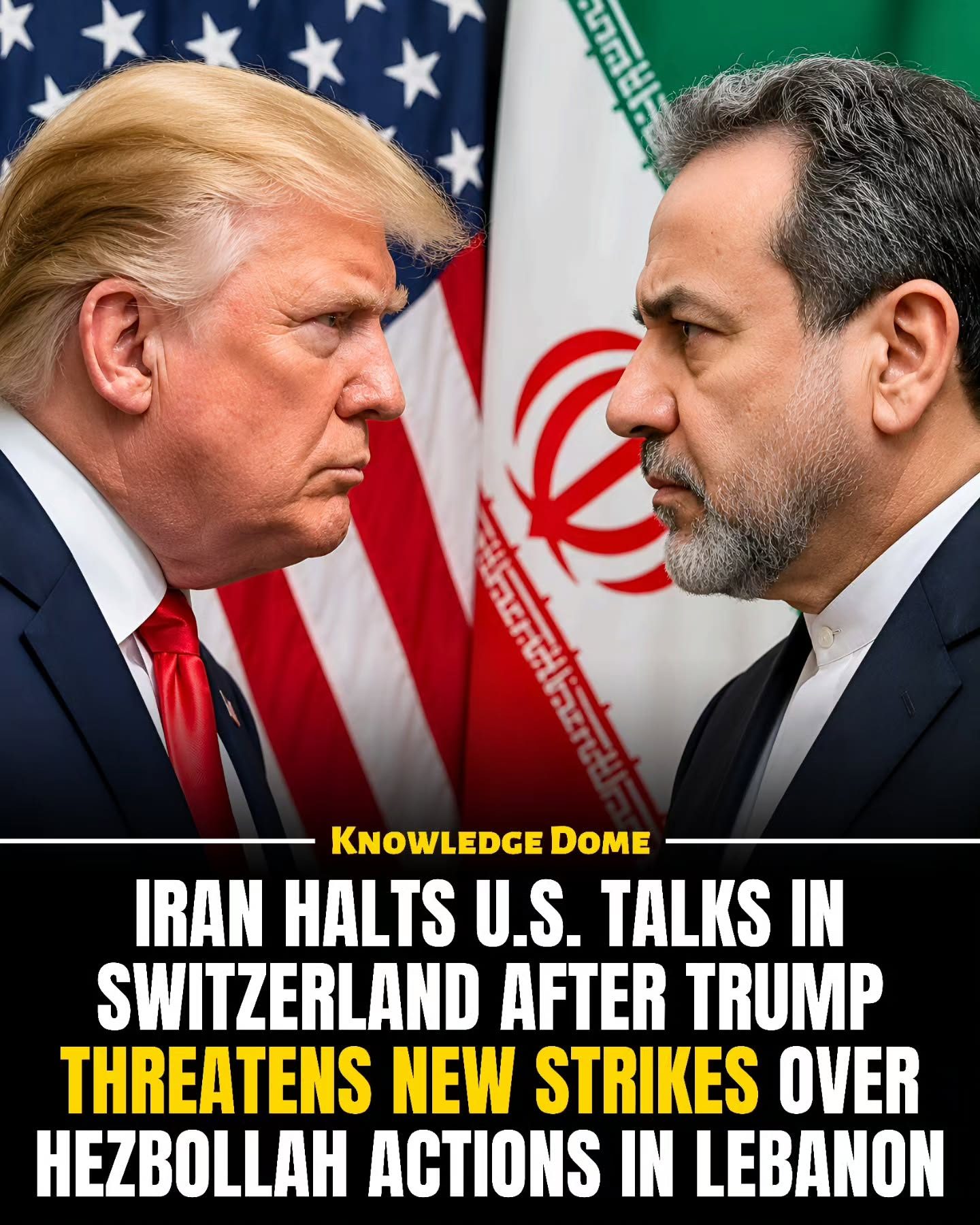
U.S.-Iran Talks: Conflict in Lebanon and Strait of Hormuz
Negotiations between the United States and Iran continue in Switzerland, despite early reports indicating that Iran had withdrawn from the talks. The situation has become more complicated due to U.S. President Donald Trump's warnings to Iran about its involvement in the Lebanese conflict, as well as the strategic importance of the Strait of Hormuz.
Context: Why This Matters
The talks between the U.S. and Iran are pivotal for several reasons. They involve critical issues such as U.S. sanctions, frozen Iranian assets, and naval blockades. The outcome of these negotiations could significantly impact regional stability and global energy markets. The Strait of Hormuz, in particular, is a crucial waterway for oil transportation, making any disruption to its flow a major concern for international security and the global economy.
Main Discussion
The Lebanon Conflict
Tensions have escalated due to Trump's warnings to Iran about its support for groups in Lebanon. This has made the Lebanese conflict a significant obstacle in the diplomatic process. Trump has threatened stronger military action if Iran does not comply with his demands. This has slowed down the broader 60-day peace plan, making it more challenging to reach a comprehensive agreement.
The issue revolves around Iran's support for Hezbollah, a powerful Lebanese militant group, and its activities in Lebanon. Trump's warnings have been met with resistance from Iran, who view this as an interference in their regional affairs. The conflict in Lebanon has become one of the biggest problems in the talks.
The Strait of Hormuz
The Strait of Hormuz is another area of concern. This waterway is one of the world’s most important sea routes for oil. Trump has warned Iran not to attempt to close the strait, cautioning that such an action would result in serious consequences. The threat is significant because Iran has previously made such threats during times of heightened tensions. Any disruption to oil flow through the Strait of Hormuz could cause a major global economic crisis.
The U.S. has been particularly vigilant in protecting this strategic waterway, given its importance to global energy supply. The U.S. Navy regularly conducts patrols and exercises in the region to ensure the free flow of oil and to deter any potential disruptions.
Negotiation Focus Areas
The negotiations are centered on several key issues:
-
U.S. Sanctions: One of the main points of contention is the U.S. sanctions on Iran. These sanctions have had a significant impact on Iran's economy, and lifting them is a priority for Iran in the talks.
-
Frozen Iranian Money: Another critical issue is the release of frozen Iranian funds. These funds are held in various international banks due to the sanctions, and their release could provide much-needed financial relief to Iran.
-
Naval Blockades: The issue of naval blockades is also a significant point of discussion. The U.S. has imposed a naval blockade on Iran, restricting its access to international waters, and Iran has sought to challenge this in the negotiations.
Practical Tips
For those following the U.S.-Iran talks, it's essential to stay informed about the key issues and the evolving dynamics. Here are some practical tips:
-
Stay Updated on News Sources: Follow reliable news sources for the latest updates on the negotiations. This will help you understand the current status and any developments in the talks.
-
Understand the Key Issues: Familiarize yourself with the main points of contention, such as U.S. sanctions, frozen Iranian assets, and naval blockades. This will provide a clearer picture of what's at stake.
-
Follow Statements from Key Figures: Keep an eye on statements from key figures, including U.S. President Donald Trump and Iranian officials. Their public statements can provide insights into the negotiation process.
Important Takeaways
Several key takeaways emerge from the ongoing U.S.-Iran talks:
-
The conflict in Lebanon, particularly Iran's support for Hezbollah, remains a major obstacle in the negotiations.
-
The Strait of Hormuz is a critical area of concern, with both sides aware of the potential consequences of any disruption to the oil supply.
-
The talks involve complex issues, including U.S. sanctions, frozen Iranian assets, and naval blockades. Finding a resolution to these issues will be crucial for reaching a comprehensive agreement.
Conclusion
The ongoing talks between the United States and Iran are fraught with challenges, particularly due to the Lebanon conflict and the strategic importance of the Strait of Hormuz. The negotiations are focused on key issues, and the outcome will have significant implications for regional stability and global energy markets. Keeping informed and understanding the complexities of these talks is essential for those interested in international diplomacy and global politics.
Watch the Reel
Questions readers ask
What are the key issues being discussed in the U.S.-Iran talks in Switzerland?
The talks revolve around critical matters including U.S. sanctions on Iran, the release of frozen Iranian assets, and the potential lifting of naval blockades. Additionally, the talks aim to address Iran's regional influence, particularly its role in the Lebanon conflict and the strategic importance of the Strait of Hormuz.
How has President Trump's involvement affected the negotiations?
President Trump's warnings to Iran have heightened the tensions, making the negotiations more complex. His statements have raised the stakes, impacting the potential outcomes for regional stability and global energy markets.
Why is the Strait of Hormuz significant in these talks?
The Strait of Hormuz is a crucial waterway for global oil transportation, with about a fifth of the world's crude oil passing through it. Any disruption in this region could have severe consequences for global energy markets and economies worldwide.
What is Iran's stance on the U.S. involvement in Lebanon's conflict?
Iran has expressed concerns about U.S. involvement in Lebanon, viewing it as an interference in regional affairs. The U.S. has warned Iran about its military presence in Lebanon and its support for groups like Hezbollah, further complicating the diplomatic efforts.
What potential impact do the outcomes of these negotiations have on global energy markets?
The negotiations could significantly impact global energy markets, particularly in terms of oil supply and prices. A successful agreement could ensure the smooth flow of oil through the Strait of Hormuz, while a failure could lead to disruptions and potential spikes in oil prices.
Recent articles
Fresh deep dives from the latest Reels we unpacked.




Comments
Be the first to comment.