International Relations
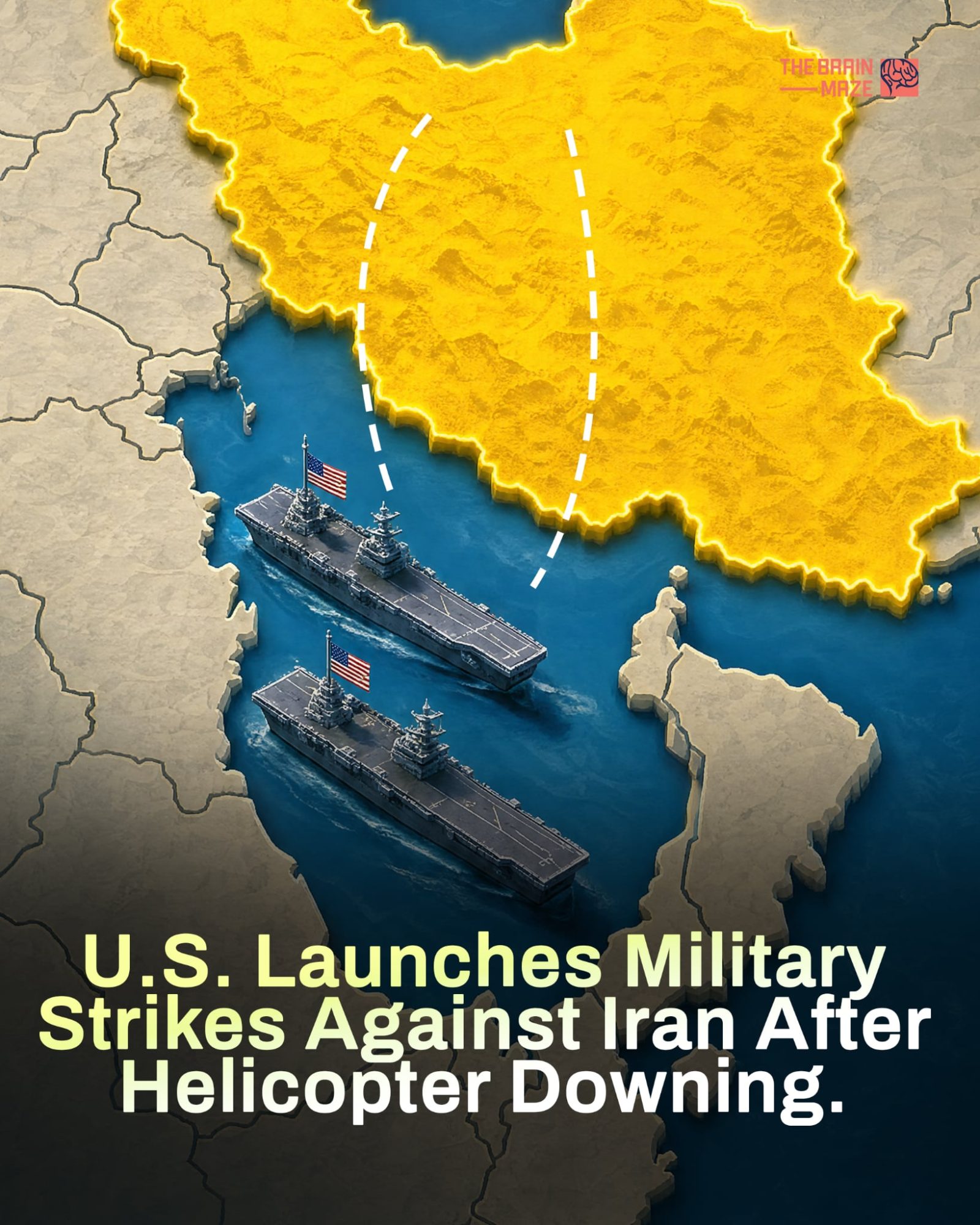
The United States has escalated tensions with Iran through a new wave of military strikes. The operation, described as "very strong, very powerful" by President Donald Trump, was a direct response to the downing of an American Army Apache helicopter off the coast of Oman. U.S. Central Command asserts that the helicopter was likely targeted by an Iranian Shahed drone, although the intent behind the attack remains unclear.
Why This Matters
The conflict between the United States and Iran has significant geopolitical implications. The Middle East, particularly the region around the Strait of Hormuz, is a critical area for global trade and energy supplies. The downing of the helicopter and the subsequent military strikes raise concerns about a broader escalation of tensions, which could have far-reaching consequences for regional stability and international security.
Main Discussion
The Triggering Event
The immediate catalyst for the U.S. military strikes was the downing of an American Apache helicopter. According to U.S. Central Command, the helicopter was shot down off the coast of Oman. The incident has been attributed to an Iranian Shahed drone, though it remains unclear whether the downing was intentional or accidental. This uncertainty adds a layer of complexity to the situation, as intentions and motives play a crucial role in diplomatic and military responses.
U.S. Military Response
In response to the helicopter incident, the U.S. launched a series of military strikes against Iran. These strikes were described by President Donald Trump as "very strong, very powerful," indicating a significant escalation in military action. The U.S. Central Command oversaw the operation, highlighting the strategic importance of the region and the potential for further conflict.
Iranian Countermeasures
Following the U.S. strikes, Iran’s Islamic Revolutionary Guard Corps (IRGC) announced retaliation. The IRGC launched missiles and drones toward U.S. targets in the region. Residents in several Iranian coastal areas, including Sirik, Bandar Abbas, and Qeshm, reported hearing explosions. These areas are near the strategically important Strait of Hormuz, a critical waterway for global oil trade.
Potential for Broader Escalation
The escalation of military actions between the U.S. and Iran raises concerns about a broader conflict. The Strait of Hormuz is a particularly sensitive area, given its role in global energy supply. Any disruption in this region could have severe economic and political repercussions worldwide. The recent exchanges of military strikes and countermeasures heighten the risk of an expanded conflict, which could draw in other regional and global powers.
Practical Tips
For Diplomatic Response
Diplomatic channels must remain open to prevent further escalation. Regular communication between the U.S. and Iranian governments can help de-escalate tensions and prevent military actions from spiraling out of control. It is essential to engage in dialogue, even in the face of heightened tensions, to seek a peaceful resolution.
For Military Preparedness
Both the U.S. and Iran should prioritize military preparedness without escalating tensions further. This includes ensuring that their military forces are well-equipped and ready to respond to any threats, while also being cautious to avoid provocative actions that could lead to further conflict. Military readiness should be balanced with diplomatic efforts to find a peaceful resolution.
Important Takeaways
The recent military strikes and countermeasures underscore the volatile nature of geopolitical tensions in the Middle East. The downing of the American helicopter and the subsequent escalation of military actions between the U.S. and Iran highlight the need for careful diplomatic and military responses. The region's strategic importance, particularly the Strait of Hormuz, adds an additional layer of complexity to the situation, emphasizing the need for a balanced approach to de-escalate tensions and prevent broader conflicts.
Conclusion
The recent military strikes by the United States against Iran and the subsequent retaliatory actions by Iran’s Islamic Revolutionary Guard Corps mark a significant escalation in tensions between the two countries. The downing of an American Apache helicopter and the strategic importance of the region around the Strait of Hormuz underscore the need for careful and measured responses. Both diplomatic and military preparedness will be crucial in navigating this volatile situation and preventing further escalation of conflicts in the Middle East.
Watch the Reel
Questions readers ask
What triggered the recent U.S. military strikes against Iran?
The recent U.S. military strikes against Iran were triggered by the downing of an American Army Apache helicopter off the coast of Oman. The incident is believed to have been caused by an Iranian Shahed drone, leading to a direct response from the U.S. military.
What was the nature of the U.S. military operation against Iran?
The U.S. military operation against Iran was described as 'very strong, very powerful' by President Donald Trump. The strikes were a direct response to the incident, although the exact nature and extent of the military action has not been fully disclosed.
What is the significance of the Strait of Hormuz in the context of this conflict?
The Strait of Hormuz is a critical area for global trade and energy supplies. Any disruption in this region due to heightened tensions between the U.S. and Iran could have significant impacts on global energy markets and trade routes.
What are the potential implications of this conflict for the Middle East?
This conflict escalation in the Middle East could lead to broader instability, affecting not only the U.S. and Iran but also neighboring countries. It raises concerns about potential disruptions in global trade and energy supplies.
How has Iran responded to the U.S. military strikes?
As of the latest updates, specific details about Iran's military response to the U.S. strikes have not been widely reported. The situation is fluid, and it remains to be seen how Iran will retaliate or if diplomatic efforts will be pursued to de-escalate the tensions.
What role do drones play in the U.S. Iran conflict?
Drones, specifically the Iranian Shahed drone, are believed to have played a significant role in the recent escalation. The downing of the American helicopter by an Iranian drone led to a direct military response from the U.S., highlighting the increasing use of unmanned aerial vehicles in modern conflicts.
How might the global community react to these escalating tensions?
The global community, particularly countries reliant on Middle Eastern energy supplies and trade routes, will be closely monitoring the situation. International organizations and allied nations may call for restraint and diplomacy to prevent further escalation and potential disruption to global trade and energy markets.
Related deep dives
Similar reads based on topic and creator.


Recent articles
Fresh deep dives from the latest Reels we unpacked.




Comments
Be the first to comment.