Military Operations in the Strait of Hormuz
The Strait of Hormuz is a critical waterway for global shipping, especially for oil transportation. Recent military operations in the region have highlighted the strategic importance of keeping these waters open and secure. The U.S. military, in particular, has been actively involved in maintaining maritime security in the Strait of Hormuz, often engaging in operations to counteract threats posed by various actors in the region.
Why This Matters
The Strait of Hormuz is a narrow passageway connecting the Persian Gulf to the Arabian Sea. Approximately 21 million barrels of oil pass through this strait daily, making it a vital artery for global energy supply. Ensuring the safe passage of commercial shipping through this choke point is crucial for maintaining stable oil prices and ensuring the uninterrupted flow of goods. Recent incidents involving Iranian boats have underscored the need for robust military presence and intervention to safeguard these waters.
Recent Military Operations
U.S. Military Intervention
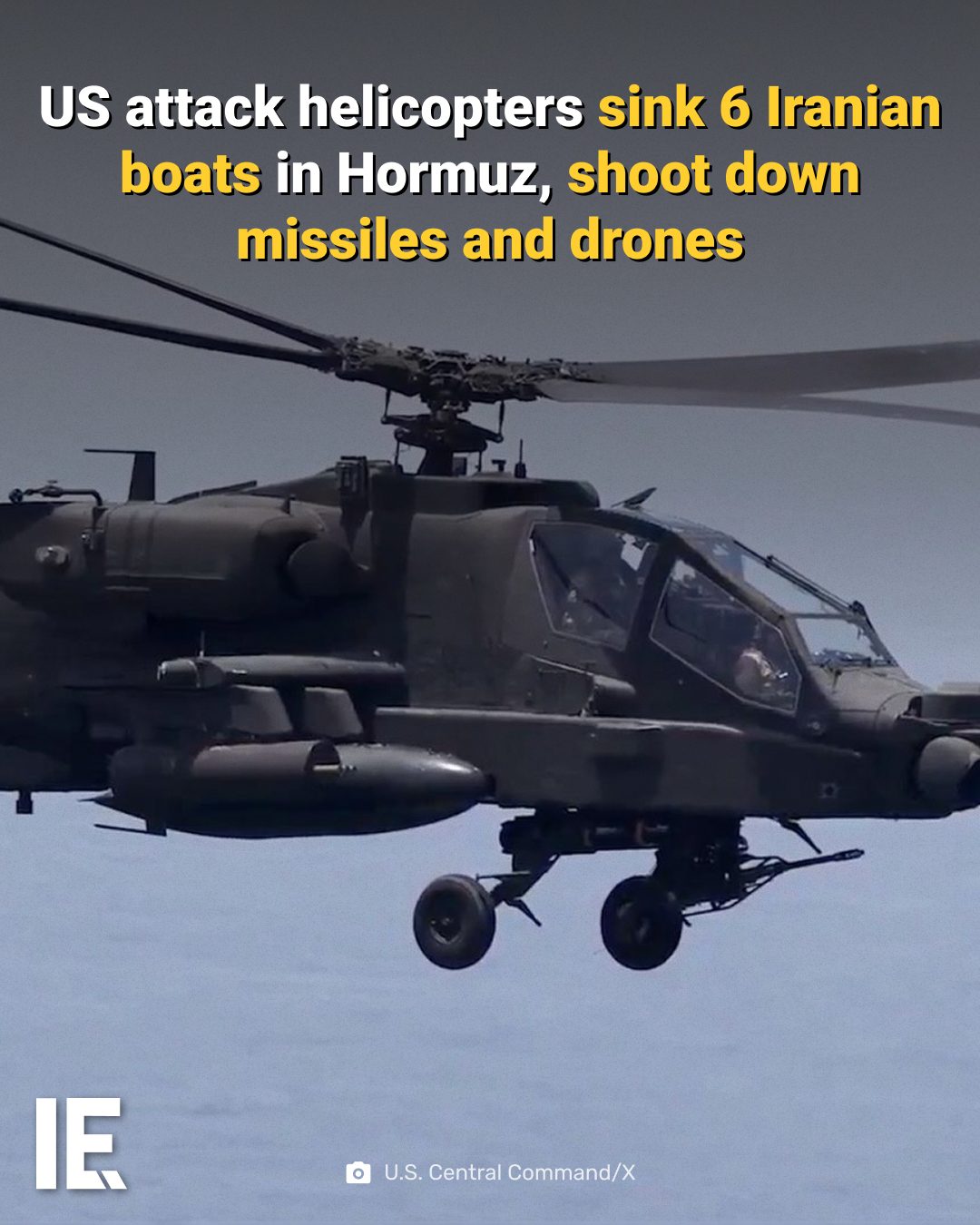
The U.S. military has been actively involved in maintaining maritime security in the Strait of Hormuz. In recent operations, U.S. attack helicopters played a pivotal role in neutralizing threats posed by Iranian boats. According to U.S. Central Command, these boats were threatening commercial shipping, posing a significant risk to the free flow of goods and energy through the strait. In response, U.S. forces sank six Iranian boats and shot down missiles and drones. These actions were part of broader efforts to keep the Strait of Hormuz open and secure.
Strategic Significance of the Strait of Hormuz
The Strait of Hormuz is not just a strategic waterway for oil transportation; it is also a critical route for other commercial shipping. The narrow passageway makes it vulnerable to disruptions, whether due to natural causes or human actions. The presence of U.S. forces in the region helps deter potential threats and ensure the uninterrupted flow of goods and energy. The recent military operations highlight the importance of a strong naval presence in the area, as well as the need for coordinated efforts among international stakeholders to maintain maritime security.
The Role of U.S. Central Command
U.S. Central Command (CENTCOM) is responsible for overseeing military operations in the Middle East, including the Strait of Hormuz. This command plays a crucial role in coordinating efforts to maintain maritime security and respond to threats in the region. The recent operations in the Strait of Hormuz demonstrate the effectiveness of U.S. forces in neutralizing threats and ensuring the safety of commercial shipping. The attribution of the image to U.S. Central Command underscores the command's involvement in these operations and its commitment to maintaining maritime security in the region.
Practical Tips for Navigating Maritime Security in the Strait of Hormuz
For maritime operators and shipping companies, navigating the Strait of Hormuz requires a high level of vigilance and preparedness. Here are some practical tips to ensure safe passage through the waterway:
Stay Informed About Current Threats
Keeping up-to-date with the latest security threat assessments and advisories from maritime authorities and military commands is essential. This information can help shipping companies make informed decisions about their routes and operations in the region.
Enhance Security Measures
Implementing robust security measures on board ships is crucial for mitigating potential threats. This may include installing advanced surveillance systems, deploying armed security personnel, and conducting regular security drills to ensure crew readiness.
Maintain Effective Communication
Establishing and maintaining effective communication channels with maritime authorities and military commands can enhance situational awareness and response capabilities. This includes having a reliable communication system in place and being prepared to respond to any calls for assistance or advisories.
Collaborate with International Partners
Working closely with international partners, including other naval forces and maritime security agencies, can strengthen the overall security posture in the Strait of Hormuz. Collaboration on joint patrols, intelligence sharing, and coordinated responses to threats can enhance maritime security and ensure the safe passage of commercial shipping.
Important Takeaways
The recent military operations in the Strait of Hormuz underscore the critical importance of maintaining maritime security in the region. The U.S. military's role in neutralizing threats and keeping the strait open for commercial shipping highlights the need for a robust naval presence and coordinated efforts among international stakeholders. For maritime operators, navigating the Strait of Hormuz requires a high level of vigilance, preparedness, and collaboration to ensure safe passage through this vital waterway.
Conclusion
The Strait of Hormuz remains a critical hub for global shipping, and recent military operations have demonstrated the importance of maintaining maritime security. The U.S. military's intervention in neutralizing threats posed by Iranian boats is a testament to the strategic significance of the region. By staying informed, enhancing security measures, maintaining effective communication, and collaborating with international partners, maritime operators can help ensure the safe passage of goods and energy through this vital waterway, contributing to global economic stability.
Watch the Reel
Questions readers ask
Why does the U.S. military conduct helicopter operations in the Strait of Hormuz?
The U.S. military conducts helicopter operations in the Strait of Hormuz to counter Iranian threats and ensure the safe passage of commercial shipping, particularly oil tankers, through this vital global choke point. These operations help maintain the free flow of goods and energy supplies.
What specific threats do Iranian boats pose in the Strait of Hormuz?
Iranian boats in the Strait of Hormuz pose threats such as disrupting shipping lanes, attempting to seize commercial vessels, and conducting hostile activities that could escalate into larger conflicts. These actions can potentially disrupt the global energy supply and impact international trade.
How do U.S. military drone strikes in Iran relate to the operations in the Strait of Hormuz?
U.S. military drone strikes in Iran are part of a broader strategy to neutralize threats that could impact the security of the Strait of Hormuz. By targeting Iranian assets, the U.S. aims to deter and respond to actions that could disrupt shipping lanes and endanger commercial vessels in the strait.
What is the significance of the Strait of Hormuz for global energy supply?
The Strait of Hormuz is crucial for global energy supply because approximately 21 million barrels of oil pass through it daily. This makes it a critical passageway for the transportation of oil from the Persian Gulf to the Arabian Sea and beyond, affecting global energy markets and economies.
What role do U.S. military drones play in operations against Iranian boat threats in the Strait of Hormuz?
U.S. military drones play a crucial role in operations against Iranian boat threats by providing surveillance, intelligence, and the capability to conduct targeted strikes. This helps in early detection, monitoring, and neutralization of potential threats to commercial shipping, ensuring the strait remains open and secure.
How does the U.S. military command in the Strait of Hormuz coordinate its operations?
The U.S. military command in the Strait of Hormuz coordinates its operations through a combination of advanced surveillance technologies, strategic planning, and real-time communication. This includes the use of helicopters, drones, and naval assets to effectively counter threats and protect commercial shipping.
Related deep dives
Similar reads based on topic and creator.


Recent articles
Fresh deep dives from the latest Reels we unpacked.




Comments
Be the first to comment.