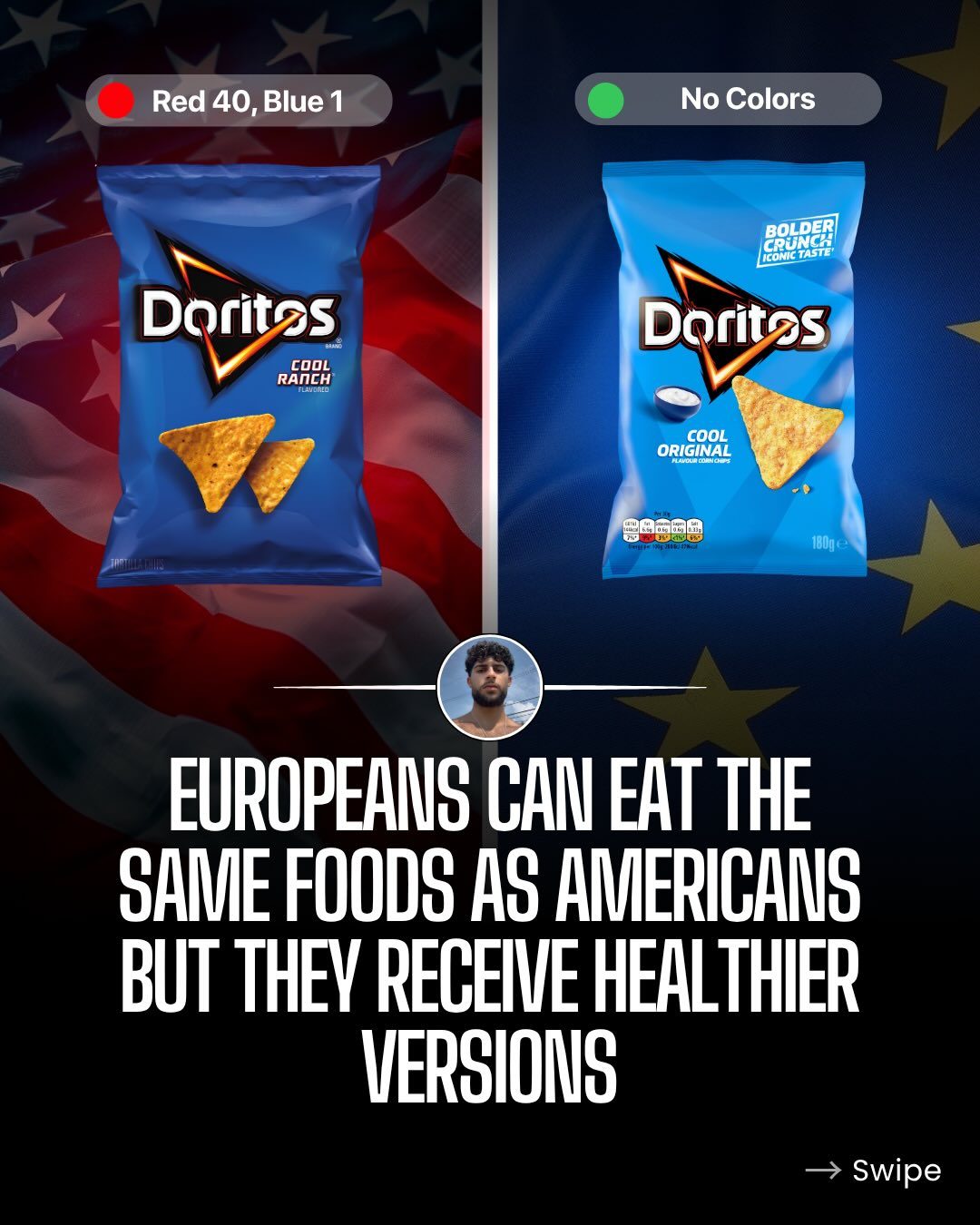
European vs. American Food Ingredients: A Side-by-Side Comparison
When browsing the aisles of a grocery store, have you ever wondered why certain foods taste or look different in Europe compared to the US? The differences go beyond just taste; they extend to the ingredients used in everyday products. Let's dive into a comparison of some common foods and their ingredient lists between the two regions.
Why this matters
The ingredients in our food can significantly impact our health and wellness. Understanding the differences between European and American food products can help consumers make more informed choices. This comparison focuses on four common food items: Doritos chips, Kellogg's Frosted Flakes cereal, Quaker Oatmeal, and bread.
Main discussion
Doritos Cool Ranch: A Tale of Two Colors
Doritos is a beloved snack in both the US and Europe, but the ingredients and appearance of the chips differ notably. The US version of Doritos Cool Ranch is known for its vibrant, neon-green color, which comes from artificial dyes like Red 40 and Blue 1. In contrast, the European version of the same flavor is more muted in color, as it does not contain these artificial colors. This difference in color is often a result of stricter regulations in Europe regarding the use of artificial additives.
Kellogg's Frosted Flakes: Nutrient Differences
Kellogg's Frosted Flakes is a popular breakfast cereal in both regions, but the ingredient lists vary. The US version includes milled corn, sugar, malt flavor, and BHT for freshness. On the other hand, the EU version lists maize, sugar, barley malt flavoring, and added vitamins and minerals. The EU version contains additional nutrients, which can be beneficial for health-conscious consumers. Furthermore, the US version contains BHT, a preservative that is often avoided in European food products.
Quaker Oatmeal: Comparing Sweetness and Additives
Quaker Oatmeal is a staple in many households, but the ingredients in the US and EU versions differ. The US version includes whole grain rolled oats, sugar, and sunflower and palm oils. In contrast, the EU version contains Quaker wholegrain rolled oats, sugar, and freeze-dried raspberry pieces. The US version uses oils that are often critiqued for their potential negative health impacts, while the EU version includes fruit, adding natural flavor and nutrients.
Bread: Simplicity vs. Complexity
Bread is a staple in diets worldwide, but the ingredients in US and EU versions can vary significantly. The US version often includes enriched wheat flour and high fructose corn syrup, which can be problematic for those with dietary restrictions. The EU version, however, has a simpler ingredient list: flour, yeast, water, and salt. This simplicity can be appealing to those seeking more natural and less processed foods.
Practical tips
Understanding the differences in ingredients can help consumers make better choices. Here are a few practical tips:
- Read Labels: Always check the ingredient list on food packaging. This is the best way to understand what you're consuming.
- Compare Versions: If you have access to both US and EU versions of products, compare the labels to see the differences.
- Prioritize Natural Ingredients: Opt for products with simpler, more natural ingredient lists whenever possible.
Important takeaways
The comparison of food ingredients between the US and Europe highlights several key points:
- European food products often have stricter regulations regarding artificial additives and preservatives, leading to more natural and health-conscious ingredient lists.
- Added vitamins and minerals in European versions can provide nutritional benefits.
- Simpler ingredient lists in European products can be a significant factor for health-conscious consumers.
Conclusion
When it comes to food, the differences between US and European products go beyond taste and appearance. The ingredient lists can vary significantly, with European versions often containing fewer artificial additives and more natural ingredients. Understanding these differences can help consumers make more informed choices about the food they eat. Whether you're a fan of Doritos, Kellogg's Frosted Flakes, Quaker Oatmeal, or bread, being aware of the ingredients can lead to better health and wellness.
Watch the Reel
Questions readers ask
Why do some foods look different in Europe compared to the US?
Some foods in Europe may look different due to the absence of certain artificial colors and preservatives, which are more commonly found in American food products. The lack of artificial dyes can lead to a difference in appearance, but the taste and texture may also change as a result. The key difference lies in the regulations and standards of each region.
Are there any notable differences in the ingredients of Doritos in the US and Europe?
Yes, there are differences in the ingredients of Doritos in the US and Europe. European Doritos typically contain fewer artificial colors and preservatives, and may have added vitamins, contributing to a healthier profile. The color and taste of the chips may be affected by these ingredient differences.
What are the main differences in Kellogg's Frosted Flakes between the US and Europe?
Kellogg's Frosted Flakes in Europe often have different ingredients than their US counterparts. European versions tend to have less sugar and artificial flavors, with some added vitamins and minerals. The lack of artificial colors in EU foods can make the cereal appear less vibrant, but the taste may be more natural.
How do the ingredients of Quaker Oats differ between the US and Europe?
Quaker Oats in Europe may have different ingredient lists, with some products containing added vitamins and minerals, and fewer artificial colors. EU regulations often result in a focus on more natural and fortified ingredients, but the taste and texture may be different from the US versions.
What are the main differences in bread between the US and Europe?
The biggest difference is the use of additives. US bread is often made with more preservatives and artificial colors, and may have added sugars, while European bread may have fewer additives, be more natural, and have added vitamins. European bread is also often made with different grains and flours, which can impact the texture and taste.
Why are there different regulations for food ingredients in the US and Europe?
The different regulations for food ingredients in the US and Europe stem from varying standards and priorities. European regulations often focus more on natural ingredients, fewer artificial additives, and fortified foods, while US regulations may allow for a wider range of artificial colors and preservatives. This can result in noticeable differences in the composition and appearance of common food items.
Recent articles
Fresh deep dives from the latest Reels we unpacked.




Comments
Be the first to comment.