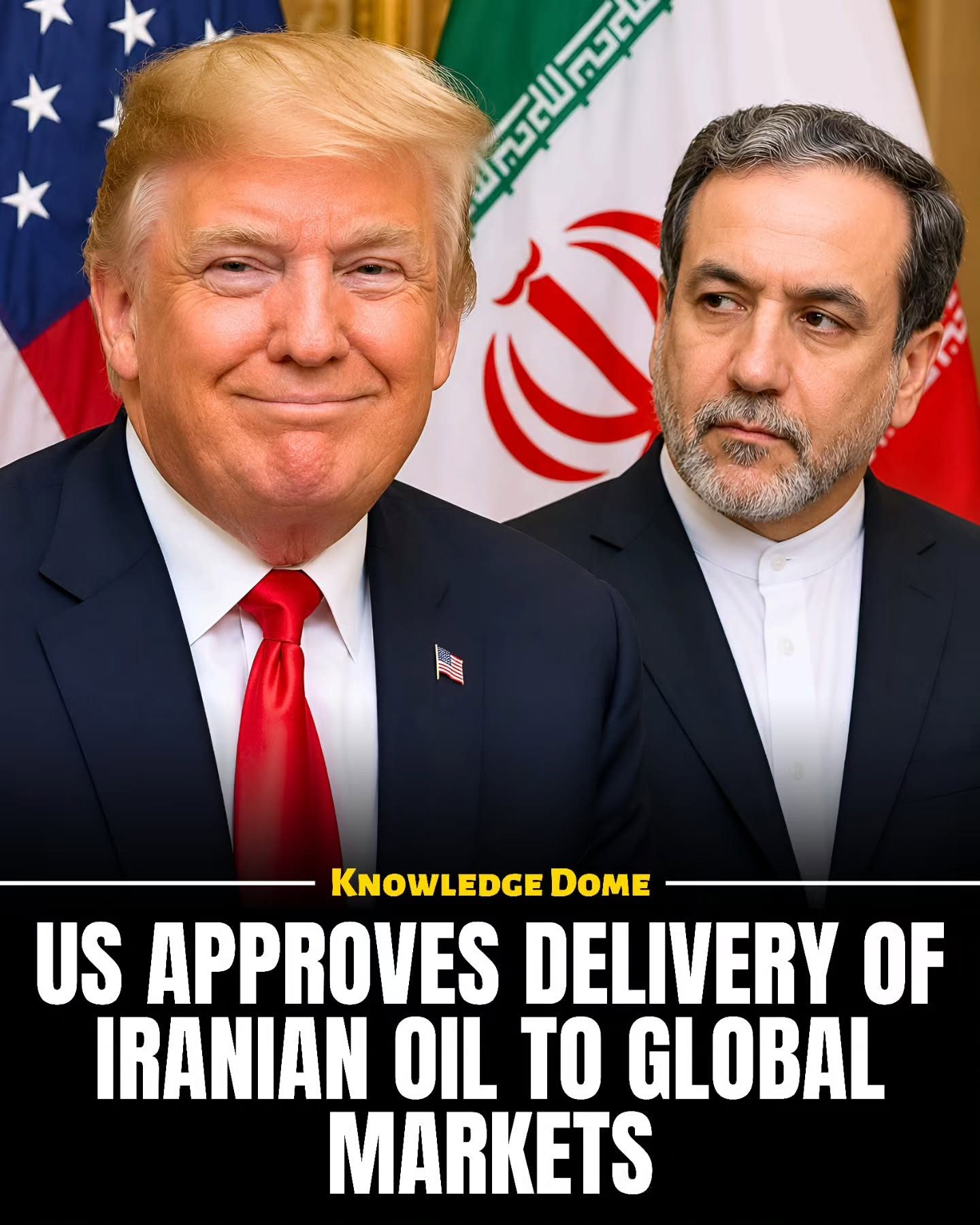
The United States Temporarily Eases Sanctions on Iranian Oil
The United States has granted Iran a 60-day waiver on sanctions, allowing the country to produce, deliver, and sell crude oil and petroleum products in global markets until August 21. This move has significant implications for the energy market and geopolitical dynamics. Here’s a closer look at what this means and what we can expect in the coming weeks.
Context / Why This Matters
The temporary waiver on Iranian oil sanctions is a critical development in the ongoing geopolitical tensions between the United States and Iran. For years, the two countries have been locked in a complex web of sanctions and diplomatic negotiations, with oil often at the center of the dispute. This latest move is part of a broader effort to revive the nuclear deal, officially known as the Joint Comprehensive Plan of Action (JCPOA). Understanding the context and implications of this waiver is essential for anyone following global energy markets and international relations.
Main Discussion
The 60-Day Waiver and Its Implications
The 60-day waiver allows Iran to resume oil trade, a move that could significantly impact the global energy market. This includes not only the production and sale of oil but also related services such as banking, shipping, and insurance. Iran’s National Oil Company has already started reaching out to buyers in Asia, including major refiners in India, South Korea, and Japan. This renewed interest from key Asian markets could quickly bring more Iranian oil back into the global supply chain, potentially affecting oil prices and market dynamics.
The Role of the Iran Nuclear Deal
This decision is closely tied to ongoing peace talks and a wider agreement between the United States and Iran. Reports indicate that Iran has agreed to keep shipping routes open through the Strait of Hormuz and allow International Atomic Energy Agency (IAEA) inspectors inside the country. These concessions are part of a broader effort to revive the JCPOA, which aims to limit Iran's nuclear capabilities in exchange for the lifting of economic sanctions.
The waiver is a strategic move designed to provide economic relief to Iran while maintaining a framework for diplomacy. It also serves as a test for both sides to gauge the potential benefits and challenges of a more comprehensive agreement. The energy market is closely monitoring these developments, as the resumption of Iranian oil exports could have far-reaching effects on global supply and demand.
Geopolitical Ramifications
The decision to ease sanctions on Iranian oil is fraught with geopolitical complexities. On one hand, it signals a willingness to ease tensions and potentially pave the way for a broader peace agreement. On the other hand, it raises concerns about regional stability, particularly in the Middle East.
Iran's oil exports have long been a contentious issue, with various countries and international entities having significant stakes in the outcome. The resumption of Iranian oil exports could disrupt the delicate balance of power in the region, affecting countries like Saudi Arabia and the United Arab Emirates, which have historically been major oil exporters.
Moreover, the move could have implications for U.S. foreign policy in the Middle East. The United States has historically been a key player in the region, and its decision to ease sanctions on Iranian oil could be seen as a shift in its geopolitical strategy. This could have ripple effects on alliances and diplomatic relations, particularly with key allies in the region.
Practical Tips
For investors and market watchers, the temporary waiver on Iranian oil sanctions presents both opportunities and risks. Here are some practical tips to navigate this complex landscape:
Stay Informed
Keep a close eye on developments in the peace talks between the United States and Iran. Changes in the negotiations could have a direct impact on the duration and scope of the waiver, as well as the broader geopolitical dynamics in the region.
Monitor Market Reactions
Pay attention to how global energy markets react to the resumption of Iranian oil exports. This could provide valuable insights into future price movements and supply dynamics. Key indicators to watch include changes in oil prices, shifts in crude oil inventories, and any announcements from major oil-producing countries.
Assess Regional Stability
Consider the potential implications of increased Iranian oil exports on regional stability. This includes monitoring tensions in the Strait of Hormuz, a critical shipping route for global oil supplies. Any disruption in this route could have far-reaching consequences for the global energy market.
Important Takeaways
The temporary waiver on Iranian oil sanctions is a significant development with far-reaching implications for the global energy market and geopolitical landscape. Here are the key takeaways:
- The 60-day waiver allows Iran to resume oil trade, potentially affecting global supply and demand dynamics.
- The move is part of a broader effort to revive the Iran nuclear deal and ease tensions between the United States and Iran.
- The resumption of Iranian oil exports could have significant implications for regional stability and global energy markets.
- Investors and market watchers should stay informed, monitor market reactions, and assess regional stability to navigate this complex landscape.
Conclusion
The United States' decision to grant Iran a 60-day waiver on oil sanctions is a pivotal moment in the ongoing geopolitical tensions between the two countries. This move has the potential to reshape the global energy market and influence regional stability. As the world watches closely to see what happens next, staying informed and vigilant will be crucial for navigating the complexities of this evolving situation.
Watch the Reel
Questions readers ask
Why has the US lifted the 60-day sanctions on Iranian oil?
The U.S. has lifted these sanctions to support the revival of the Iran nuclear deal. This diplomatic move is a part of a broader effort to negotiate with Iran and ease tensions in the region.
How long will the sanctions on Iranian oil remain lifted?
The sanctions on Iranian oil have been lifted for a temporary period of 60 days, allowing Iran to sell and deliver crude oil and petroleum products until August 21, 2024.
What does this mean for the global oil supply?
The lifting of sanctions means that Iran can increase its oil exports, which could lead to a rise in global oil supply. This might impact the crude oil prices and help stabilize the energy market.
Will this affect the price of crude oil?
The impact on crude oil prices is expected to be significant. The increase in supply from Iran could potentially drive down global oil prices. However, this will also depend on the market demand and other geopolitical factors.
What are the implications of this move for the energy market?
The move to temporarily lift sanctions has significant implications for the energy market. It could help stabilize prices and reduce the risk of supply disruptions. It also allows Iran to re-enter the global oil trade, potentially altering market dynamics.
What will happen after the 60-day period?
After the 60 days, the situation will depend on the progress in negotiations. If the US and Iran reach an agreement to extend the waiver or make it permanent, Iranian oil exports will continue.
How will this affect US energy policy?
The temporary lifting of sanctions aligns with the US's efforts to balance energy security and diplomatic engagement. It reflects a strategic shift in the US's approach to Iran, potentially leading to a more nuanced energy policy. However, it remains to be seen how this will impact the US's long-term energy goals and regional strategy.
Related deep dives
Similar reads based on topic and creator.


Recent articles
Fresh deep dives from the latest Reels we unpacked.




Comments
Be the first to comment.