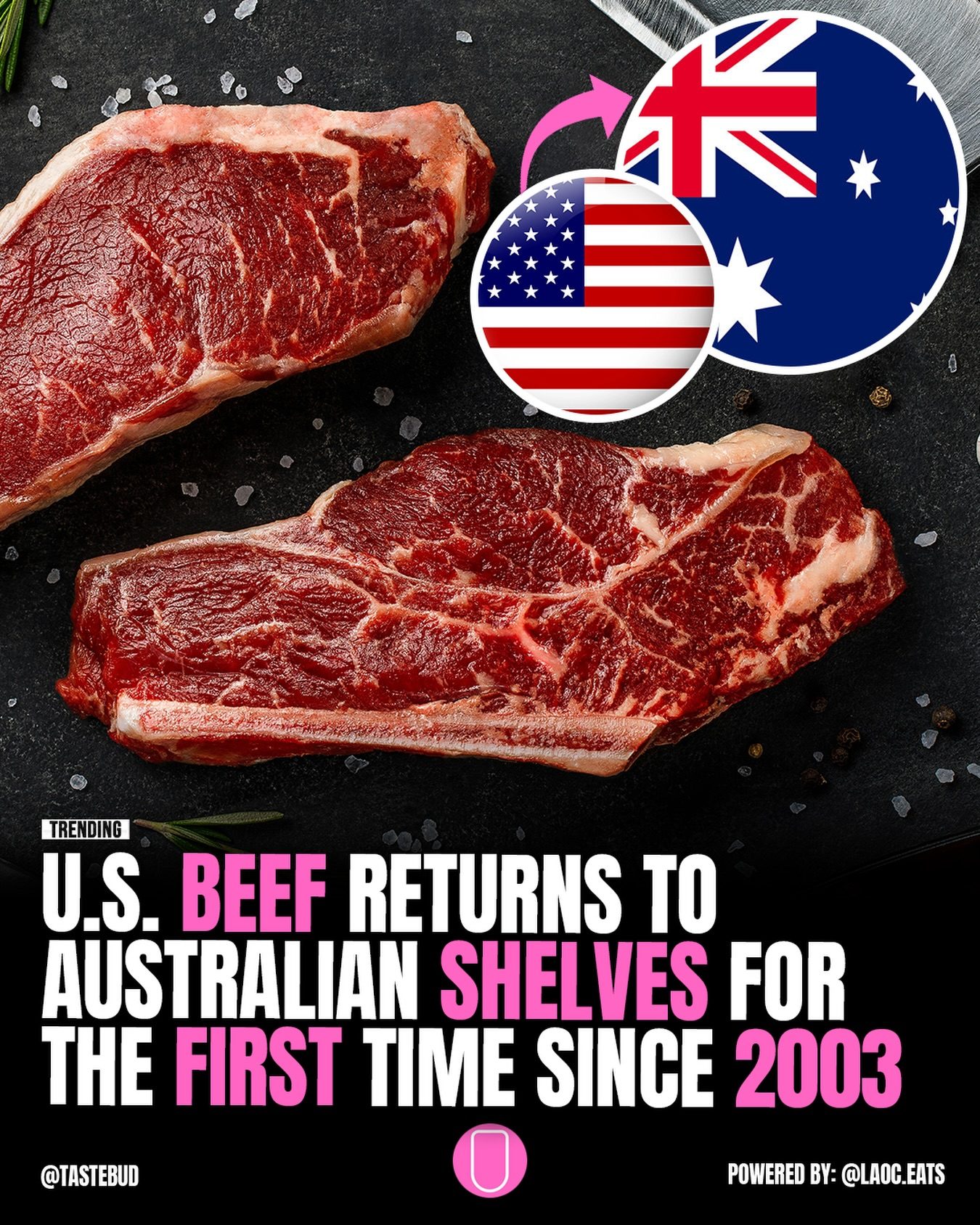
U.S. Beef Returns to Australian Shelves After Nearly Two Decades
The return of U.S. beef to Australian store shelves marks a significant milestone in international trade and culinary culture. After an absence of nearly two decades, Australian consumers can once again enjoy U.S. beef, with high-quality cuts now available in local stores.
Context / Why This Matters
The return of U.S. beef to Australia is a notable development in the agricultural trade between the two nations. This event is a testament to the strengthening of trade ties and the mutual benefits derived from bilateral agreements. For Australia, this means access to high-quality beef products, while for the U.S., it opens up a lucrative market. Additionally, the reintroduction of U.S. beef offers consumers a broader range of choices, potentially influencing local culinary trends and meat preferences.
Main Discussion
A Celebration of Trade and Culture
The milestone was celebrated at an event hosted by the U.S. Consulate General in Sydney, where guests had the opportunity to sample a variety of U.S. beef cuts. The event showcased USDA Choice and Prime cuts, including rib roast, barbecue ribs, and burgers. These cuts are renowned for their quality and flavor, making them a popular choice among beef enthusiasts.
The event not only highlighted the return of U.S. beef but also underscored the growing importance of agricultural exports between the two countries. Officials noted that U.S. agricultural exports to Australia reached approximately $700 million last year, demonstrating the robust trade relationship. This development is set to strengthen trade ties moving forward, with both countries aiming to expand their agricultural trade.
The Road to Return
The reintroduction of U.S. beef to Australian shelves is a culmination of years of negotiation and regulatory alignment. The ban on U.S. beef exports to Australia was lifted in 2017, but it took several years for the necessary regulatory frameworks to be established. The return of U.S. beef signals a successful resolution of trade disputes and the implementation of stringent food safety standards, ensuring that consumers can enjoy high-quality beef products with confidence.
The Australian Market
Australia has a diverse and discerning market for beef, with a strong preference for local and imported products. The return of U.S. beef adds another dimension to the market, providing consumers with a wider variety of choices. It also introduces competition, which can drive quality and innovation in the local beef industry. For consumers, this means access to premium cuts that are renowned for their taste and quality, including USDA Choice and Prime cuts.
Strengthening Trade Ties
The reintroduction of U.S. beef to Australia is part of a broader effort to strengthen trade ties between the two nations. Both countries are committed to expanding their trade relationship, which includes agricultural exports, technology, and other sectors. The return of U.S. beef is a step in the right direction, representing the mutual benefits of trade and the growing importance of bilateral agreements.
Practical Tips
The return of U.S. beef to Australia offers consumers a range of new culinary opportunities. Here are some tips for making the most of this development:
Exploring New Cuts
With the reintroduction of U.S. beef, consumers can now explore a variety of new cuts that were previously unavailable. These include USDA Choice and Prime cuts, which are known for their superior taste and quality. From rib roasts to barbecue ribs, there are plenty of options to choose from.
Cooking Techniques
Different beef cuts require different cooking techniques to bring out their best flavors. For example, a rib roast is best cooked low and slow to ensure tender, juicy meat. Barbecue ribs, on the other hand, benefit from a smoky flavor and a crispy exterior. Understanding the recommended cooking techniques for each cut can enhance the overall dining experience.
Pairing with Wines
The quality of U.S. beef pairs well with a variety of wines, including reds and whites. For a rib roast, a full-bodied red wine such as a Cabernet Sauvignon can complement the rich flavors. For barbecue ribs, a smoky red wine like a Syrah or a medium-bodied white wine like a Chardonnay can enhance the smoky flavors.
Important Takeaways
The return of U.S. beef to Australian shelves is a significant event with far-reaching implications. It offers consumers a wider range of choices, introduces new culinary opportunities, and strengthens trade ties between the two nations. For the beef industry, it signals a competitive market, driving quality and innovation. For consumers, it means access to premium beef products that are renowned for their taste and quality.
Conclusion
The return of U.S. beef to Australian store shelves is a milestone that signifies the strengthening of trade ties and the mutual benefits of bilateral agreements. This development offers consumers a broader range of choices, introduces new culinary opportunities, and signals a competitive market that drives quality and innovation. With the reintroduction of high-quality beef cuts, including USDA Choice and Prime, the Australian market is poised for a new era of culinary excellence.
Watch the Reel
Questions readers ask
Why is the return of U.S. beef to Australia significant for consumers?
The return of U.S. beef to Australia is significant for consumers because it expands their culinary choices. Australians can now access a broader range of beef varieties, including high-quality cuts that were previously unavailable. This brings new flavors and cooking options to local kitchens.
How does the reintroduction of U.S. beef benefit Australian beef trade?
The reintroduction of U.S. beef benefits Australian beef trade by strengthening bilateral agricultural ties between the U.S. and Australia. It opens up new opportunities for trade and cultural exchange, allowing for a more diverse and competitive beef market in Australia.
What does the return of U.S. beef mean for the U.S. beef export industry?
The return of U.S. beef to Australia is a significant milestone for the U.S. beef export industry, as it opens up a lucrative market. This reintroduction allows U.S. beef producers to access a new consumer base, potentially increasing their market share and revenue.
What beef import milestones have occurred recently in Australia?
Recently, Australia has seen the significant milestone of U.S. beef returning to its shelves after nearly two decades. This event marks a major development in international beef trade and is a testament to the strengthening of trade ties between the U.S. and Australia.
How does the return of U.S. beef impact Australian beef varieties?
The return of U.S. beef impacts Australian beef varieties by introducing new types and cuts that were not previously available. This diversification allows Australian consumers to explore different flavors and cooking techniques, enhancing their beef consumption experience.
What is the significance of the beef trade agreement between the U.S. and Australia?
The beef trade agreement between the U.S. and Australia signifies a mutual benefit for both nations. It allows for the import of high-quality U.S. beef into Australia, while also opening up new export opportunities for U.S. beef producers, fostering stronger agricultural ties between the two countries.
What are the benefits of the return of American beef in Australia for both countries?
The return of American beef to Australia offers several benefits for both countries. For Australia, it means access to a wider variety of high-quality beef products, enhancing culinary choices. For the U.S., it opens a new and lucrative market, benefiting U.S. beef producers and exporters.
Related deep dives
Similar reads based on topic and creator.



Recent articles
Fresh deep dives from the latest Reels we unpacked.




Comments
Be the first to comment.