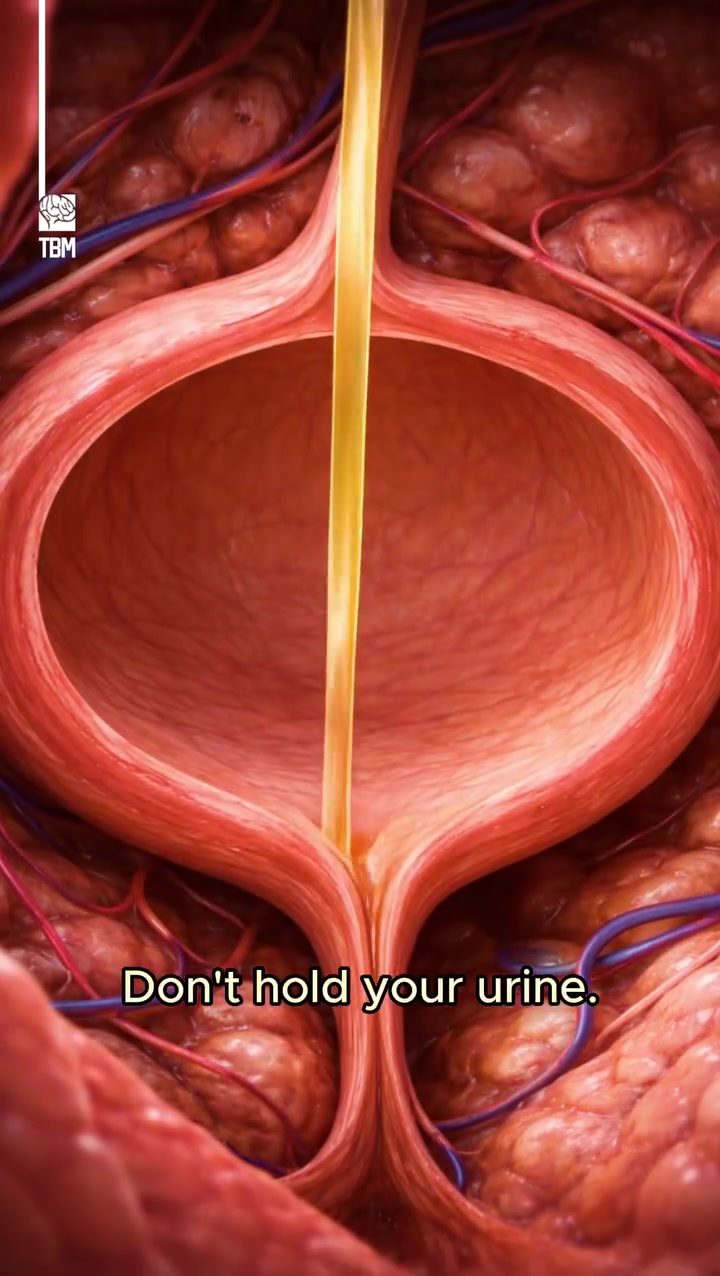
Urinary Health: Understanding the Risks of Holding Urine
Your bladder is a highly coordinated muscular organ that plays a crucial role in storing and releasing urine from the kidneys. This process is tightly controlled and relies on proper signaling between the bladder and the brain. When the urge to urinate arises, it's your body's way of signaling that it's time to empty the bladder. Ignoring or delaying this urge can have serious consequences for your urinary health. Let's delve into why holding urine is detrimental and how prompt response to the need to urinate can benefit your urinary system.
Why Urinary Health Matters
Maintaining proper urinary function is essential for overall health. The urinary system, comprising the kidneys, ureters, bladder, and urethra, works together to filter waste and maintain fluid balance. When this system functions correctly, it helps prevent infections, kidney stones, and other urinary issues. Ignoring the urge to urinate can disrupt this delicate balance and lead to a host of problems.
The Mechanism of Urination
To understand the risks of holding urine, it's helpful to know how the process of urination works. The bladder is a pressure-sensitive, muscular organ that stores urine produced by the kidneys. When the bladder reaches a certain volume, it sends signals to the brain, creating the urge to urinate. This triggers the contraction of the detrusor muscle, which releases urine through the urethra.
When you hold in urine, several things happen:
- Stretching the Bladder Wall: Prolonged holding can stretch the bladder wall, leading to muscle weakness and reduced bladder capacity over time.
- Disrupted Signaling Pathways: The constant stretching can disrupt the communication between the bladder and the brain, making it more challenging to sense when it's time to urinate.
The Dangers of Holding Urine
Holding urine for extended periods can lead to various issues, ranging from minor inconveniences to severe health problems.
Incomplete Emptying and Urinary Leakage
When you hold urine for too long, the bladder may not empty completely during subsequent trips to the bathroom. This can lead to:
- Urinary leakage: Incomplete emptying can contribute to urinary leakage, particularly in those with existing urinary incontinence issues.
- Increased risk of infections: Stagnant urine in the bladder creates an ideal environment for bacterial growth, increasing the risk of urinary tract infections (UTIs).
Back Pressure on the Kidneys
In severe cases, holding urine can create back pressure toward the kidneys. This occurs when the bladder becomes overly full, causing urine to flow back up the ureters and into the kidneys. This condition, known as vesicoureteral reflux, can lead to kidney damage and even kidney failure if left untreated.
The Impact of Age and Repeated Delay
As you age, the detrusor muscle can weaken, making it even more important to respond promptly to the urge to urinate. Repeatedly delaying urination forces the detrusor muscle into overcompensation, gradually reducing its efficiency and control over time. This can result in:
- Increased frequency of urination: The bladder may become more sensitive and smaller in capacity, leading to more frequent trips to the bathroom.
- Nocturia: Waking up multiple times at night to urinate, which can disrupt sleep and impact overall quality of life.
Practical Tips for Optimal Urinary Health
To maintain proper urinary health and avoid the risks associated with holding urine, consider the following tips:
- Listen to Your Body: When you feel the urge to urinate, respond promptly. Don't ignore or delay the urge, as this can lead to the problems discussed earlier.
- Stay Hydrated: Drink plenty of fluids, especially water, to help your body flush out toxins and maintain optimal urinary function. However, be mindful of your fluid intake, especially before bed, to minimize nighttime urination.
- Practice Good Bathroom Habits: When you use the bathroom, take your time and ensure that your bladder is completely empty. Leaning forward can help facilitate complete emptying.
- Consider Your Surroundings: Plan your day to allow for regular bathroom breaks, especially if you're in a situation where access to a restroom may be limited.
- Regular Check-ups: Schedule regular appointments with your healthcare provider to monitor your urinary health and address any concerns or issues that may arise.
Important Takeaways
- The bladder is a pressure-sensitive, muscular organ that stores and releases urine through a controlled process.
- Holding urine can stretch the bladder wall, disrupt signaling pathways, and lead to incomplete emptying, urinary leakage, and back pressure on the kidneys.
- Responding promptly to the urge to urinate helps preserve bladder strength and long-term urinary function.
- Ignoring the urge to urinate can have serious consequences, particularly as you age, leading to increased urinary frequency and nocturia.
Conclusion
Don't hold your urine. By doing so, you're likely to interfere with the delicate balance between your bladder and kidneys, leading to a host of potential health issues. Understanding the risks and importance of responding to your body's signals can help you maintain optimal urinary health and prevent complications.
Watch the Reel
Questions readers ask
Why is it important to respond to the urge to urinate promptly?
Responding promptly to the urge to urinate is crucial because it helps maintain proper bladder function. Delaying urination can strain the detrusor muscle, the muscle responsible for bladder contraction, potentially leading to long-term issues with bladder control and urinary function.
What are the potential risks of holding urine for extended periods?
Holding urine for extended periods can increase urinary pressure, potentially leading to urinary tract infections, kidney damage, and even long-term issues like bladder dysfunction and urinary incontinence. It can also disrupt the bladder's ability to signal when it needs to be emptied.
How does holding urine affect the bladder and kidneys?
Holding urine can strain the bladder and increase the risk of urinary tract infections, which can potentially spread to the kidneys. This can lead to severe kidney infections, negatively impacting overall urinary and kidney health.
What are some tips for maintaining good urinary health?
To maintain good urinary health, it's important to respond to the urge to urinate promptly, stay hydrated, and practice good hygiene. Regular urination helps prevent infections and keeps the urinary tract functioning properly, while hygiene helps prevent the spread of bacteria. Additionally, avoiding holding urine for too long can help maintain bladder control and overall urinary health.
Can holding urine lead to urinary incontinence?
Yes, frequently holding urine can potentially weaken the bladder muscles over time, leading to urinary incontinence. This is because the bladder may become less sensitive to the need to empty, causing it to overflow or leak urine involuntarily.
How does the frequency of urination affect urinary health?
Regular urination is essential for maintaining urinary health as it helps to flush out bacteria and prevent infections. Holding urine for too long can disrupt this process, increasing the risk of urinary tract infections and other complications. Typically, urinating 6 to 7 times a day is considered a healthy frequency.
What are the long-term effects of delaying urination?
Delaying urination consistently can lead to long-term issues such as a weakened bladder, reduced bladder capacity, and even permanent damage to the bladder and kidneys. It can also increase the risk of urinary tract infections and other urinary complications, negatively impacting overall urinary and kidney health.
Related deep dives
Similar reads based on topic and creator.



Recent articles
Fresh deep dives from the latest Reels we unpacked.




Comments
Be the first to comment.