Bird Behavior Study: Urban Birds and Gender Differences in Flight Responses
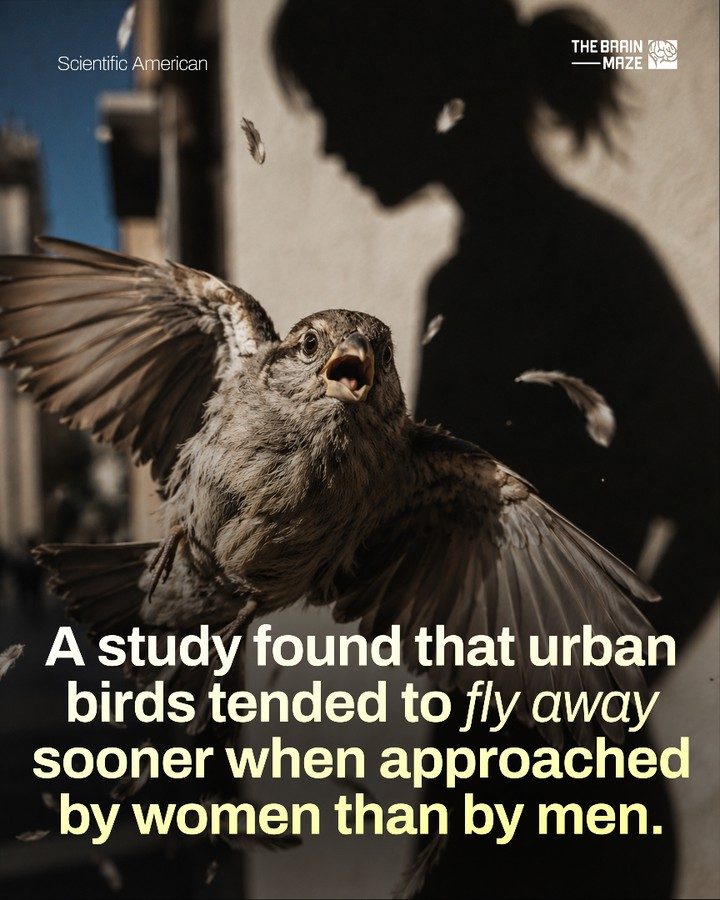
Urban birds exhibit a fascinating behavioral pattern: they tend to fly away sooner when approached by women than by men. This phenomenon has been documented in a recent study presented by Scientific American, which observed 37 European bird species and found consistent results across the board. The study revealed that birds allowed men to get about one meter closer on average before taking flight, a finding that has sparked curiosity among researchers and bird enthusiasts alike.
Why This Matters
Understanding the behavior of urban birds is crucial for several reasons. It helps in managing human-wildlife interactions, conserving urban biodiversity, and even in urban planning. The study's findings highlight a previously unnoticed aspect of bird behavior, suggesting that there may be more to learn about how birds perceive and react to different human genders. This knowledge could inform strategies for bird conservation, urban ecology, and even public perception of wildlife in urban settings.
The Study and Its Findings
Urban Birds and Human Interaction
The study, which focused on 37 European bird species, revealed a consistent pattern: urban birds tend to fly away sooner when approached by women. This behavior allowed men to get approximately one meter closer to the birds before they took flight. The consistency of this pattern across multiple species suggests that it is a widespread phenomenon, not limited to a few specific bird types.
Possible Explanations
While the study clearly documents the behavior, the reasons behind it remain unclear. Several hypotheses could explain this gender-based difference in bird flight responses:
-
Visual and Auditory Cues: Birds may recognize differences in human body shape and movement that correlate with gender. Women often have different visual cues and movement patterns than men, which birds might interpret as more threatening.
-
Scent and Pheromones: Birds might be more sensitive to the scent of certain pheromones or chemicals associated with women, leading to more cautious behavior. However, this hypothesis requires further investigation into bird olfactory capabilities.
-
Cultural and Behavioral Conditioning: Birds in urban areas are often exposed to different human behaviors and practices. Over time, they might learn to associate certain behaviors, clothing, or movements with potential threats, leading to more cautious responses to women.
Practical Tips for Birdwatching
For birdwatchers and enthusiasts, understanding this behavioral pattern can enhance the birdwatching experience and contribute to better conservation practices.
Approaching Birds
When approaching birds, consider the following tips to minimize disturbance and maximize your viewing experience:
-
Move Slowly and Quietly: Regardless of gender, birds are generally more likely to fly away in response to sudden, loud movements. Approach birds slowly and quietly to reduce the chances of startling them.
-
Use Cover and Hide: If possible, use natural or artificial cover to hide your presence. This can help you get closer to the birds without them noticing you.
-
Observe from a Distance: If you notice birds flying away sooner when you approach, consider observing them from a greater distance. Use binoculars or a spotting scope to get a closer look without disturbing the birds.
Gender Considerations
While the study's findings are intriguing, they should be taken into consideration without making assumptions. Here are a few points to bear in mind:
-
Avoid Stereotypes: The study does not imply that all male birdwatchers will have an easier time getting close to birds. Individual bird species and behaviors can vary widely.
-
Respect Nature: Always prioritize the well-being of the birds. Avoid disturbing them, especially during nesting or feeding times.
Important Takeaways
The study by Scientific American highlights a new dimension in our understanding of bird behavior in urban environments. Here are the key takeaways:
-
Consistency Across Species: The observed behavior is consistent across 37 European bird species, indicating a widespread pattern that merits further investigation.
-
Unknown Reasons: The reasons behind this behavior remain unknown, providing ample opportunities for future research and discovery.
-
Implications for Conservation and Ecology: Understanding bird behavior in urban settings can inform conservation strategies, urban planning, and public perception of wildlife.
Conclusion
The finding that urban birds are more cautious around women than men opens up new avenues for research in avian behavior and urban ecology. While the exact reasons for this behavior are unknown, it underscores the complexity of human-wildlife interactions in urban environments. By understanding and respecting these behaviors, we can better appreciate and conserve the biodiversity around us.
Watch the Reel
Questions readers ask
Why do urban birds react more swiftly to women than men?
Urban birds have been observed to maintain a greater distance from women and flee faster when approached by them. This behavior was consistently noted across 37 European bird species, indicating a widespread response to the presence of women. The reason behind this difference is not yet clear and requires further investigation.
What are the implications of this bird behavior for urban conservation?
The findings of this study can help inform urban planning and wildlife conservation efforts. Understanding how birds react to different groups of people can aid in creating more bird-friendly urban environments. This can contribute to maintaining biodiversity in cities and improving human-wildlife interactions, by minimising disturbances to birds and promoting their well-being.
What was the methodology used in the bird behavior study?
The study involved observing the reactions of 37 different European bird species to the approach of both men and women. Researchers documented the distance at which birds would take flight. The results showed that birds consistently allowed men to get closer before fleeing, providing a clear indication of the gender difference in bird reactions.
How can this information be used to manage human-wildlife interactions in cities?
By understanding that urban birds react differently to men and women, city planners and wildlife managers can develop strategies to minimize disturbances. For instance, women could be particularly mindful of their approach in areas designated for bird conservation. Such insights can help create guidelines for public behavior in urban green spaces, ensuring a peaceful coexistence between humans and wildlife.
Are there any theories explaining why urban birds react differently to women and men?
Currently, there are no definitive theories explaining this behavior. Possible reasons could include differences in movement, clothing, or even scent between men and women. Further research is needed to identify the exact triggers causing this behavior, which could involve studying various factors in controlled environments. Understanding these triggers could provide valuable insights into urban bird behavior and human-wildlife interactions.
How might this study impact future research on urban birds?
The study’s findings open new avenues for research on urban bird behavior. Future studies could focus on specific bird species, the impact of different human behaviors, or the role of environmental factors. These investigations could provide a more comprehensive understanding of how urban birds adapt to human presence, aiding in the development of more effective conservation strategies. Such research can contribute to better management of urban ecosystems and enhance our understanding of human-wildlife interactions.
Recent articles
Fresh deep dives from the latest Reels we unpacked.




Comments
Be the first to comment.