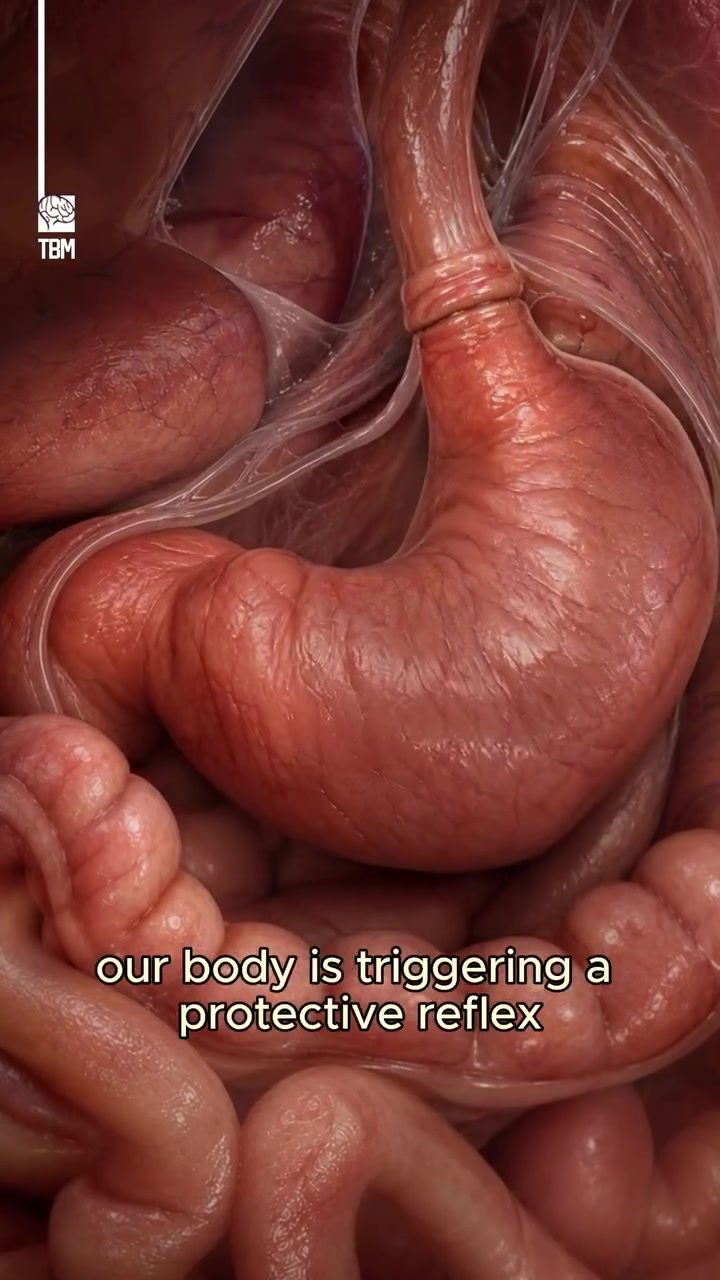
Vomiting is a complex process orchestrated by the body to protect itself from harmful substances. Understanding the physiology behind this reflex can provide insight into why it happens and how the body responds.
Context / Why This Matters
Vomiting, or emesis, is a common physiological response that can occur for various reasons, such as illness, motion sickness, or food poisoning. While it is an unpleasant experience, it serves a critical function in the body's defense mechanisms. By expelling stomach contents, the body aims to eliminate toxins, irritants, and other harmful substances that could cause further damage if absorbed into the system.
Main Discussion
The Vomiting Reflex
The process of vomiting begins in the brain, specifically in an area known as the vomiting center. This center receives signals from various parts of the body, including the stomach, inner ear, and even the senses. These signals alert the body to the presence of harmful substances, triggering a protective reflex.
Muscle Contractions
Once the vomiting reflex is initiated, several key muscle groups come into play. The diaphragm and abdominal muscles contract forcefully, increasing pressure within the stomach. Simultaneously, the lower esophageal sphincter relaxes, creating a pathway for the stomach contents to exit. This coordinated effort ensures that the stomach's contents are expelled efficiently.
The stomach itself also contracts in a rhythmic pattern, pushing its contents upward toward the mouth. This coordinated contraction is essential for effective expulsion and helps to minimize the discomfort associated with vomiting.
Protective Mechanisms
During vomiting, the body employs several protective mechanisms to safeguard the mouth and teeth. Saliva production increases significantly, providing a buffer against the stomach acid that is expelled. This increased saliva helps to neutralize the acid and protect the oral cavity from potential damage. The heart rate may also rise, and one might feel dizzy or sweaty as the body briefly activates a stress response to facilitate the process.
The Vomiting Center
The vomiting center, located in the brain, plays a central role in coordinating the vomiting reflex. It receives input from various sensors throughout the body, including the vestibular system in the inner ear, which is responsible for balance and spatial orientation. This input helps the brain determine when and how to initiate the vomiting reflex, ensuring that it occurs in response to genuine threats rather than benign triggers.
The Role of the Nervous System
The nervous system plays a crucial role in the vomiting process. The vagus nerve, which connects the brain to the stomach, relays signals that trigger the contractions of the diaphragm and abdominal muscles. This communication ensures that the vomiting reflex is carried out smoothly and effectively, minimizing discomfort and maximizing the body's ability to expel harmful substances.
Common Triggers
Various factors can trigger the vomiting reflex. Common triggers include:
- Gastrointestinal Issues: Conditions like food poisoning, gastroenteritis, and stomach infections can cause the body to initiate vomiting to expel harmful pathogens.
- Motion Sickness: The inner ear's vestibular system can send signals to the brain, indicating that the body is moving in a way that might be harmful, triggering vomiting.
- Chemical Exposure: Ingestion of toxins or harmful chemicals can cause the body to expel its contents to prevent further absorption.
- Emotional Stress: Intense emotional stress or anxiety can also trigger the vomiting reflex, although the underlying mechanisms are less well-understood.
Post-Vomiting Relief
Once vomiting occurs, the body experiences temporary relief. The process of expelling stomach contents helps to flush out toxins or irritants, providing a sense of relief from the discomfort and nausea that often precede vomiting. This relief is short-lived, however, as the body works to restore its normal functions.
Practical Tips
Managing Nausea
If you experience nausea or are prone to vomiting, there are several strategies you can employ to manage your symptoms:
- Stay Hydrated: Drink plenty of clear fluids, such as water or herbal tea, to stay hydrated and help flush out toxins.
- Small Meals: Eat small, frequent meals rather than large, heavy meals to reduce the likelihood of triggering the vomiting reflex.
- Avoid Strong Smells: Strong smells, especially those associated with food, can exacerbate nausea and trigger vomiting.
- Ginger: Ginger is known for its anti-nausea properties and can be consumed in various forms, such as ginger tea or ginger candies.
- Medications: Over-the-counter medications like antacids or anti-nausea drugs can provide relief from nausea and vomiting, but consult with a healthcare provider before taking any medication.
When to Seek Medical Attention
While vomiting is generally a protective reflex, in some cases, it can indicate a more serious underlying condition. Seek medical attention if you experience any of the following symptoms:
- Prolonged Vomiting: If vomiting persists for more than 24 hours, it can lead to dehydration and electrolyte imbalances.
- Blood in Vomit: The presence of blood in vomit can indicate a serious condition, such as a gastrointestinal ulcer or internal bleeding.
- Severe Abdominal Pain: Severe abdominal pain accompanied by vomiting can be a sign of a more serious condition, such as appendicitis or a bowel obstruction.
- High Fever: A high fever accompanied by vomiting can indicate an infection or other serious medical condition.
Important Takeaways
Vomiting is a complex process that involves multiple body systems working together to expel harmful substances. Understanding the underlying mechanisms can help alleviate some of the discomfort and anxiety associated with this reflex. By staying informed and taking appropriate measures, you can better manage symptoms and seek medical attention when necessary.
Conclusion
Vomiting is a protective reflex that serves a crucial function in the body's defense mechanisms. While it can be an uncomfortable experience, it is essential for flushing out toxins and irritants that could cause harm if absorbed. By understanding the physiology behind vomiting and taking appropriate measures, you can better manage symptoms and seek medical attention when necessary.
Watch the Reel
Questions readers ask
What triggers the vomiting reflex in the body?
The vomiting reflex is initiated by signals from the brain, particularly from an area known as the vomiting center. This region receives inputs from various parts of the body, including the stomach, inner ear, and even the brain itself, to coordinate the complex process of expelling stomach contents.
How do muscle contractions contribute to the vomiting process?
Muscle contractions play a crucial role in vomiting. The diaphragm and abdominal muscles contract forcefully, creating pressure that pushes the stomach's contents upward. Simultaneously, the muscles at the bottom of the esophagus relax, allowing the contents to be expelled from the mouth.
What role does the brain play in the vomiting process?
The brain, specifically the vomiting center, acts as the control center for the vomiting process. It receives signals from different parts of the body, processes these inputs, and then sends commands to the muscles involved in vomiting, coordinating the entire process.
How does vomiting help protect the body from toxins?
Vomiting helps protect the body by expelling harmful substances, such as toxins, irritants, or poisonous foods, before they are absorbed into the bloodstream. By removing these substances, the body prevents further damage and maintains its internal balance.
Why does vomiting sometimes lead to tooth damage?
Repeated or forceful vomiting can lead to tooth damage due to the acid in the stomach contents. The acid can erode tooth enamel, leading to sensitivity, discoloration, and even tooth decay over time. It is important to rinse the mouth with water and use a fluoride rinse after vomiting to mitigate this risk.
When should I be concerned about vomiting?
While vomiting is a natural response, you should be concerned if it persists for more than 24 hours, if you experience severe abdominal pain, or if you show signs of dehydration, such as dizziness, excessive thirst, or dark urine. In such cases, it is important to seek medical attention.
How does vomiting involve the diaphragm and abdominal muscles?
During vomiting, the diaphragm and abdominal muscles contract simultaneously. The diaphragm pushes upward, while the abdominal muscles push inward, creating significant pressure in the abdomen. This coordinated effort forces the stomach contents upward and out through the mouth.
Related deep dives
Similar reads based on topic and creator.


Recent articles
Fresh deep dives from the latest Reels we unpacked.




Comments
Be the first to comment.