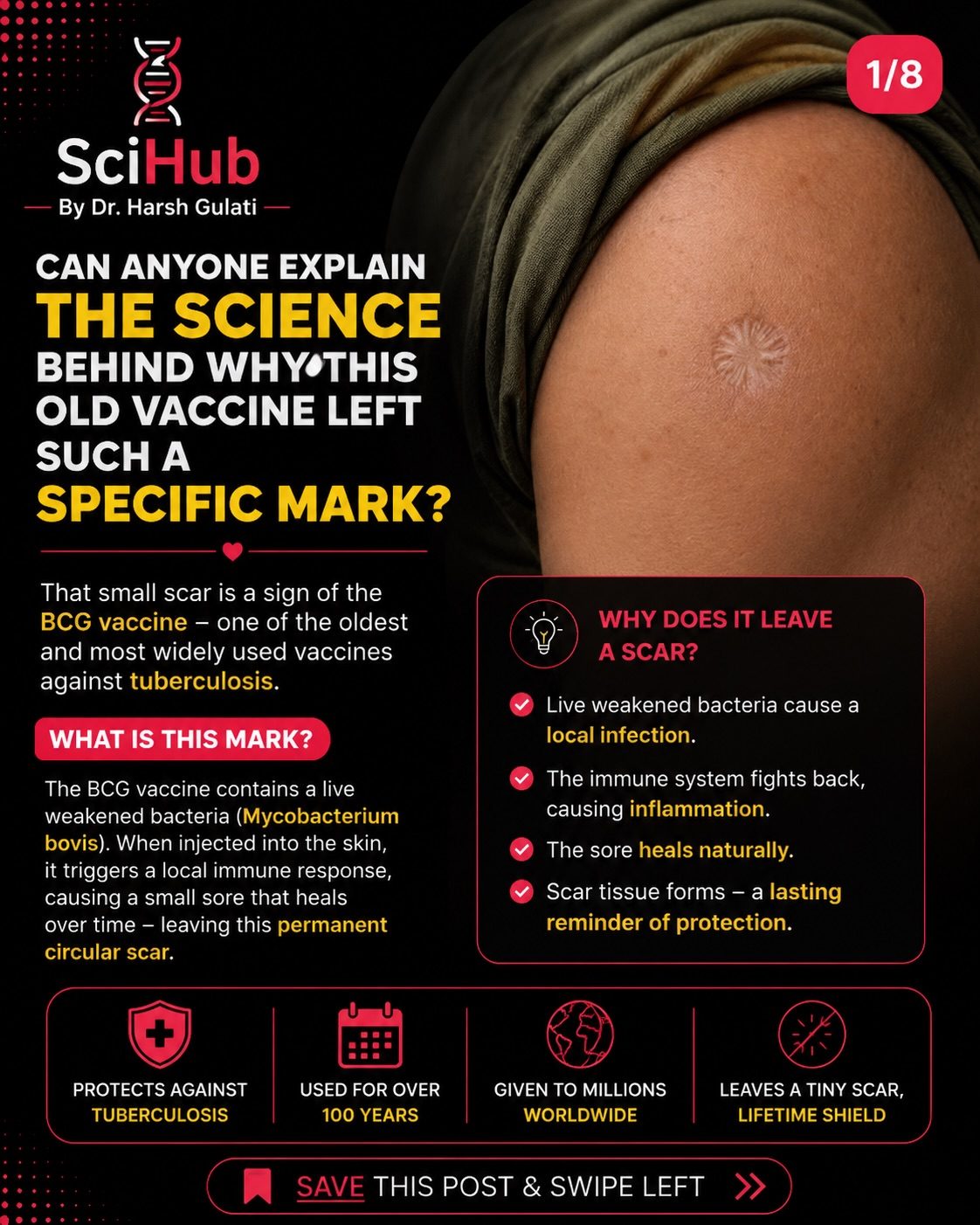
The BCG Vaccine: Understanding the Science Behind the Small Round Scar
The small round scar on the upper arm is a familiar sight for many, but its origin often remains a mystery. This mark is typically the result of the BCG (Bacillus Calmette-Guérin) vaccine, one of the world’s oldest and most widely used vaccines against tuberculosis (TB).
Why the BCG Vaccine Matters
The BCG vaccine plays a crucial role in global health, particularly in regions where tuberculosis is prevalent. This vaccine is made from a weakened form of Mycobacterium bovis, a bacterium closely related to the one that causes tuberculosis in humans. The BCG vaccine is administered intradermally, meaning it is injected just beneath the skin, usually on the upper arm. This method triggers a localized immune response, leading to a small sore that eventually heals and leaves a permanent circular scar.
The Science Behind the Scar
The process begins when the BCG vaccine is injected into the skin. The weakened bacteria in the vaccine stimulate the body's immune response. This local immune reaction causes a small infection at the injection site, which the body works to fight off. As the immune system battles the infection, a small raised sore or papule forms. Over time, this sore heals, leaving behind a small, circular scar.
The presence of this scar serves as a visible indication that the individual has received the BCG vaccine. It is a lasting reminder of the body's immune response to the vaccine and a sign that the vaccination process was successful. However, it is important to note that the size or visibility of the scar does not directly correlate with the level of protection against tuberculosis.
The BCG Vaccine: A Historical Perspective
The BCG vaccine has been in use for over a century and has been administered to millions of people worldwide. Originally developed in the early 20th century by French scientists Albert Calmette and Camille Guérin, the vaccine has since been refined and widely distributed. Its effectiveness varies by region, with higher efficacy in areas where tuberculosis is less common. In regions with a higher prevalence of TB, the vaccine may offer less protection, but it still plays a vital role in reducing the severity of the disease and preventing its spread.
The Mechanism of Protection
The BCG vaccine works by stimulating the body's immune system to recognize and respond to Mycobacterium tuberculosis, the bacterium that causes TB. When the vaccine is injected, it triggers a local immune response that involves various immune cells, including T cells and macrophages. These cells learn to recognize and attack Mycobacterium tuberculosis, providing a form of immunity against the disease.
The immunity provided by the BCG vaccine is not absolute and can vary from person to person. Factors such as age, overall health, and the specific strain of Mycobacterium tuberculosis can influence the vaccine's effectiveness. However, even with its limitations, the BCG vaccine remains an essential tool in the global fight against tuberculosis, particularly in regions where TB is endemic.
Practical Tips for Understanding the BCG Vaccine
If you have a BCG scar, it is a testament to your body's immune response to the vaccine. However, it is essential to understand that the scar itself does not measure the level of protection against tuberculosis. Regular medical check-ups and consultations with healthcare providers are crucial for assessing overall health and immunity.
For those who have not received the BCG vaccine, it is important to consult with a healthcare provider to determine if vaccination is recommended. In some regions, the BCG vaccine is routinely administered to infants and children as part of national vaccination programs. However, the decision to receive the vaccine should be based on individual risk factors and local health guidelines.
Important Takeaways
The BCG vaccine is a vital component of global public health efforts to combat tuberculosis. Understanding the science behind the small round scar left by the vaccine can help demystify its purpose and significance. The scar is a visible reminder of the body's immune response to the vaccine, but it does not indicate the level of protection. Regular medical consultations and adherence to local health guidelines are essential for maintaining overall health and immunity.
The BCG vaccine has been used for over a century and has contributed significantly to reducing the incidence and severity of tuberculosis worldwide. While its effectiveness can vary, it remains a crucial tool in the fight against this potentially deadly disease. By understanding the science behind the BCG vaccine and its role in public health, individuals can make informed decisions about their health and well-being.
Conclusion
The small round scar on the upper arm is more than just a mark; it is a lasting reminder of the body's immune response to the BCG vaccine. This vaccine, made from a weakened form of Mycobacterium bovis, has been instrumental in global efforts to combat tuberculosis for over a century. Understanding the science behind the BCG vaccine and its role in public health can empower individuals to make informed decisions about their health. Whether you have a BCG scar or are considering vaccination, knowledge about this important tool in the fight against tuberculosis is essential for maintaining overall health and well-being.
Watch the Reel
Questions readers ask
What causes the BCG vaccine scar to form on the skin?
The BCG vaccine scar forms due to a localized immune response. When the vaccine is injected intradermally, the body's immune system reacts to the weakened bacteria, leading to a small, circular scar.
What does the small, circular scar from the BCG vaccine indicate?
The small, circular scar from the BCG vaccine indicates that the individual has received the BCG vaccination. This scar is a visible sign of the body's immune response to the vaccine, which is designed to protect against tuberculosis.
Why is the BCG vaccine administered intradermally?
The BCG vaccine is administered intradermally to ensure a localized immune response. This method allows the vaccine to trigger an effective immune reaction just beneath the skin, leading to the characteristic scar and robust protection against tuberculosis.
Is the BCG vaccine scar a side effect?
The BCG vaccine scar is not typically considered a side effect but rather a normal and expected outcome of the vaccination process. It signifies that the body is responding to the vaccine as intended, and the scar should be considered benign.
What are the benefits of the BCG vaccine?
The BCG vaccine provides significant benefits, especially in regions where tuberculosis is common. It helps prevent severe forms of tuberculosis, particularly in children, and reduces the risk of disseminated TB, which can be life-threatening.
Recent articles
Fresh deep dives from the latest Reels we unpacked.




Comments
Be the first to comment.