Food Ranking: How Ingredients and Nutritional Value Matter
When it comes to food choices, the marketing claims on packaging can be misleading. Terms like "protein," "organic," "natural," "low fat," and "plant-based" often give a false sense of security, but they don't always translate to better nutritional value. To make informed decisions, it's crucial to dive deeper into the ingredients and understand how they affect your health.
Why This Matters
Food marketing can be deceiving, with many products loaded with added sugars, gums, fillers, seed oils, artificial sweeteners, low-quality protein, and heavily processed ingredients. Companies are adept at making these products look healthy, which can lead to poor food choices. This is where the importance of reading labels comes into play. Many people aren't aware that small, consistent swaps in their diet can lead to significant health benefits over time.
Comparing Food Products
Foods like soda, sliced cheese, and chicken nuggets are staples in many diets, but not all brands are created equal. Here’s a breakdown of some popular options and their nutritional profiles:
Soda
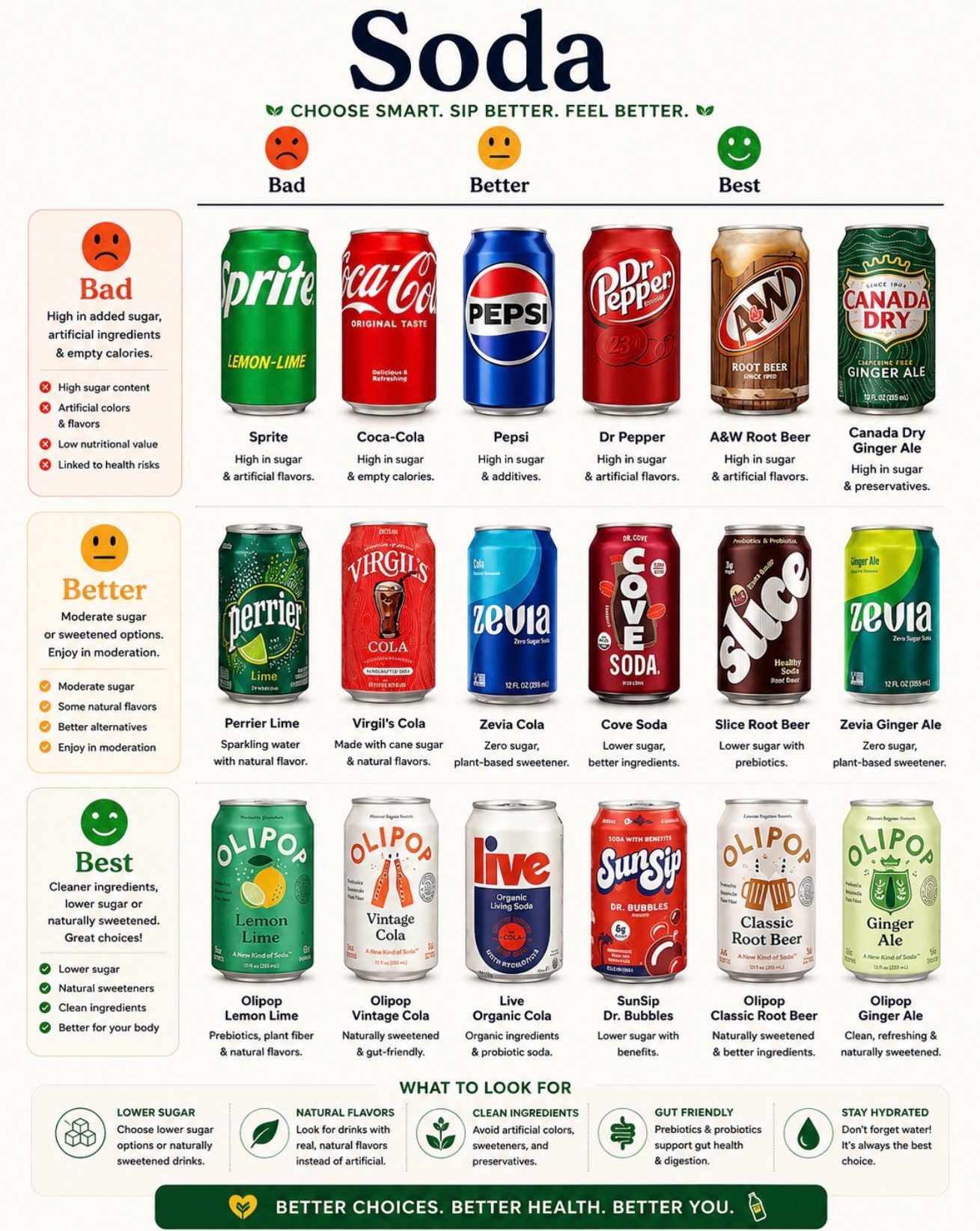
Soda is a common beverage choice, but not all sodas are the same. Some popular options and their general rankings based on nutritional value and ingredients:
- ZEVIA: Known for its lower sugar content and use of stevia as a sweetener.
- Sprite: Generally lower in calories and sugar compared to other sodas but contains artificial sweeteners.
- Coca-Cola: High in sugar and calories, but widely available and enjoyed.
- Pepsi: Similar to Coca-Cola in terms of sugar and calorie content.
- Dr Pepper: High in sugar and calories, with a unique flavor profile.
- A&W Root Beer: A popular choice for root beer lovers.
- Canada Dry: Another ginger ale option with moderate sugar content.
- Perrier Lime: A sparkling water with natural flavors and no added sugars.
- Virgil's Cola: Known for its natural ingredients and lower sugar content.
- ZEVIA Cola: A healthier alternative with zero calories and no artificial sweeteners.
- Cove Soda: Offers a variety of flavors with lower sugar options.
- Slice Root Beer: A popular root beer choice with moderate sugar content.
- ZEVIA Ginger Ale: A healthier ginger ale option with no added sugars.
Sliced Cheese
Sliced cheese is a convenient and versatile food item, but the quality can vary greatly:
- Kraft Singles: Known for their consistency and long shelf life, but often contain artificial flavors and preservatives.
- Borden American Melts: A popular choice for grilled cheese sandwiches, but also has added ingredients.
- Kroger American Singles: A budget-friendly option that may contain more additives.
- Deluxe Slices: A higher-quality option with fewer additives.
- Velveeta Slices: Often used in cooking and snacks, but high in sodium and artificial flavors.
Chicken Nuggets
Chicken nuggets are a favored snack and meal option, but not all brands prioritize quality ingredients:
- Tyson Chicken Nuggets: Widely available and convenient, but may contain additives and preservatives.
- Dino Buddies Chicken Nuggets: Known for their fun shape and taste, but check for added ingredients.
- Good & Gather Chicken Breast Nuggets: Often prioritize real chicken and simpler ingredients.
- Great Value Chicken Nuggets: A budget-friendly option, but may have more processed ingredients.
- Banquet Chicken Breast Nuggets: Another affordable choice, but monitor for additives.
- Perdue Simply Smart Chicken Nuggets: Focuses on real chicken and fewer additives.
- Applegate Naturals Chicken Nuggets: Known for their natural ingredients and high-quality chicken.
- Just Bare Lightly Breaded Chicken Nuggets: Offers a healthier option with real chicken and simpler ingredients.
- Nature's Promise Chicken Nuggets: A natural choice with high-quality ingredients.
- Amy's Kitchen Chicken Nuggets: Plant-based option for those looking for a vegan alternative.
- Kirkwood Oven Breaded Chicken Nuggets: A higher-quality option with fewer additives.
Practical Tips
Making healthier food choices doesn't have to be complicated. Here are some practical tips to help you navigate the grocery aisles:
- Read Labels: Look beyond the front of the package. Check the ingredient list and nutritional information to understand what you're actually consuming.
- Avoid Added Sugars: Opt for beverages and foods with lower sugar content, such as soda with all-natural sweeteners.
- Choose Real Ingredients: Look for products with real, recognizable ingredients and fewer additives.
- Opt for Lower-Quality Proteins: Consume protein-rich foods with high-quality ingredients and fewer artificial flavors and preservatives.
Important Takeaways
Understanding the ingredients in your food is crucial for making healthier choices. By focusing on real, recognizable ingredients and avoiding processed foods, you can improve your overall health and well-being. Small, consistent swaps in your diet can lead to significant benefits over time.
Conclusion
Navigating the world of food choices can be challenging, especially with the abundance of misleading marketing claims. By focusing on ingredient quality and nutritional value, you can make better decisions that support your health goals. Whether you're choosing a soda, sliced cheese, or chicken nuggets, always remember to read the labels and opt for products with fewer additives and higher-quality ingredients.
Small, consistent swaps in your diet can lead to significant health benefits over time. By being mindful of what you consume and making informed choices, you can improve your overall well-being and achieve your health goals.
Watch the Reel
Questions readers ask
What are some of the most misleading terms found on food packaging?
Food packaging often includes terms like 'natural,' 'organic,' and 'low fat.' While these might seem appealing, they don’t always indicate a healthier food. Understanding that these terms can be misleading is key to making better food choices.
Why are added sugars a concern in seemingly nutritious foods?
Added sugars can be hidden in a variety of foods, including those marketed as healthy. These sugars can contribute to weight gain, inflammation, and other health issues. Always check the ingredient list to identify added sugars, which can be listed under various names like sucrose, fructose, and corn syrup.
How do seed oils impact my health?
Seed oils, such as soy, corn, and canola oils, are often used in processed foods. These oils are high in omega-6 fatty acids, which can promote inflammation if consumed in excess. Replace these with healthier oils like olive or avocado oil for a healthier diet.
What are some alternatives to artificial sweeteners in food?
Artificial sweeteners can be problematic for many, as they have been linked to various health issues like weight gain and digestive problems. Instead, opt for natural sweeteners like stevia, monk fruit, or small amounts of honey. If you're looking to reduce sugar intake, consider gradually reducing the amount of sweeteners you use in your diet.
What makes certain protein sources healthier than others?
High-quality protein sources, such as grass-fed meats, wild-caught fish, and organic eggs, provide essential nutrients and amino acids. Conversely, processed protein sources, like deli meats and protein powders, can contain additives and fillers. Opting for clean protein sources can have a positive impact on your overall health and fitness goals.
Why is it important to check for fillers and gums in food labels?
Fillers and gums are often added to processed foods to enhance texture and extend shelf life, but they lack nutritional benefits. These additives can be disruptive to the gut microbiome and may cause digestive issues in some people. Check for ingredients like carrageenan, xanthan gum, and maltodextrin and choose foods with simpler, whole-food ingredient lists.
What are some healthy breakfast options that avoid hidden ingredients?
Avoid processed cereals and pre-packaged breakfast items that often contain added sugars and seed oils. Instead, opt for whole-food breakfast options like overnight oats made with whole grains and natural sweeteners, or a vegetable omelette made with organic eggs and fresh vegetables. These simple, nutritious options will help you start your day on the right foot.
Recent articles
Fresh deep dives from the latest Reels we unpacked.




Comments
Be the first to comment.