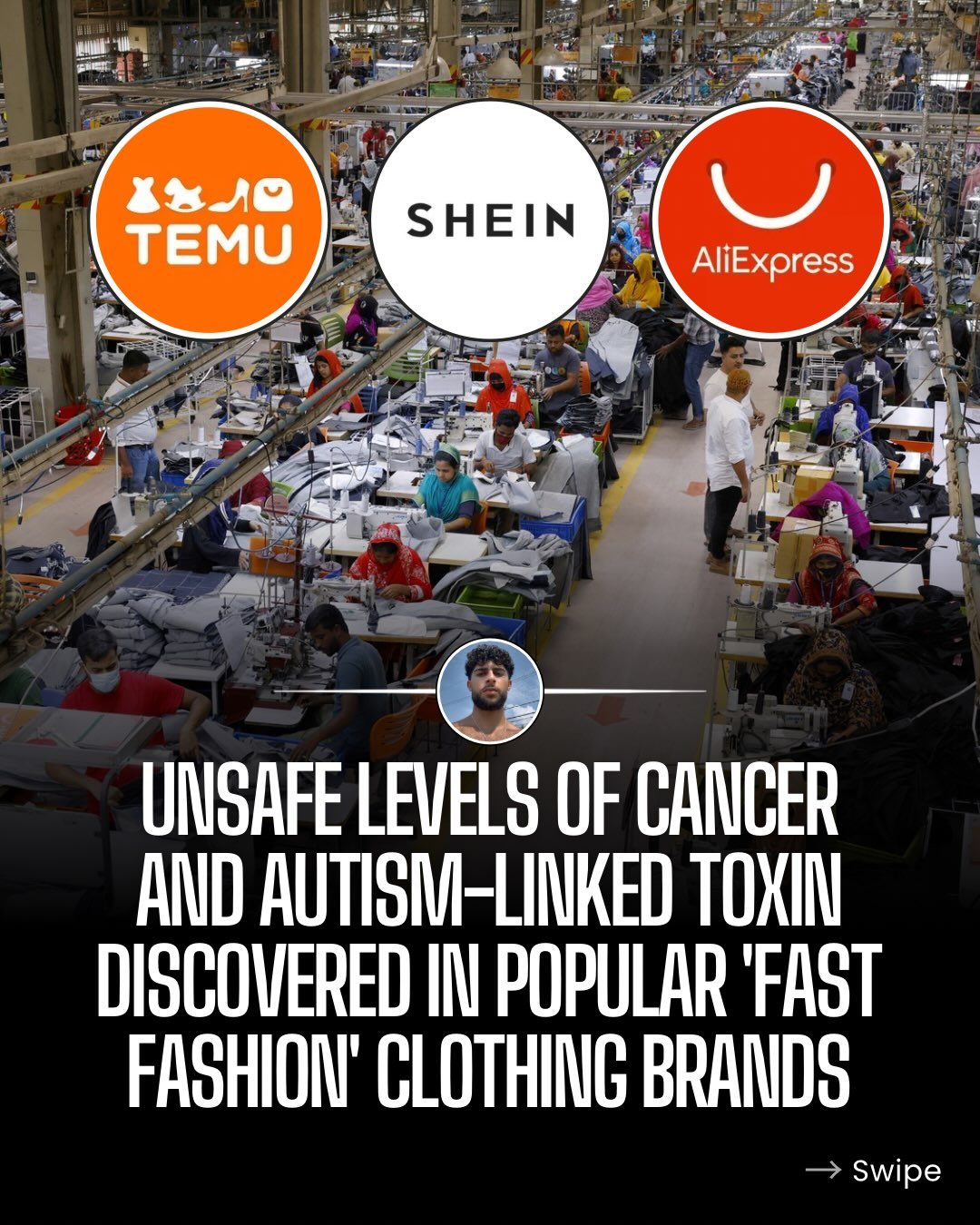
Fast Fashion Toxin Concerns
Fast fashion has long been a staple of trendy, affordable clothing. At first blush, a quick browse through the racks of ultra-low-cost retailers like Shein, Temu, or AliExpress can feel like a treasure hunt. But the convenience and affordability of these brands comes with a hidden cost—one that's alarming and deeply concerning. Recent investigations and independent laboratory tests have uncovered unsafe levels of toxic chemicals in clothing and accessories from these popular fast fashion retailers.
Why This Matters
Fast fashion has revolutionized the way we shop, offering consumers an abundance of cheap, trendy clothing. However, the environmental and health impacts of this industry are significant. The use of toxic chemicals in clothing production is not only harmful to the environment but also poses serious health risks to consumers. Understanding the presence of these chemicals—including lead, phthalates, formaldehyde, and PFAS—in fast fashion products is crucial for making informed purchasing decisions.
Toxic Chemicals in Fast Fashion
Lead: A Neurotoxin
Lead is a well-known neurotoxin that can cause severe health issues, particularly in children. Recent safety tests have revealed that items from Temu and AliExpress contain hazardous levels of lead. Exposure to lead can result in developmental delays in children and a variety of health problems in adults, including reproductive issues and cognitive impairment. The discovery of lead in these items highlights the urgent need for stricter safety regulations and more rigorous testing of fast fashion products.
Phthalates: Hormone Disruptors
Phthalates are a group of chemicals often used to make plastics more flexible and durable. Unfortunately, they are also known as hormone disruptors, which means they can interfere with the body's endocrine system. Recent tests found that clothing from Shein contained phthalates at levels 428 times higher than the legal limit. This alarming discovery underscores the potential health risks associated with wearing clothing contaminated with these chemicals. Phthalates have been linked to a range of health issues, including reproductive problems, developmental issues, and even certain cancers.
Formaldehyde: A Known Carcinogen
Formaldehyde is a chemical commonly used in the production of textiles. It is a known carcinogen, and exposure to high levels of formaldehyde can cause respiratory problems, skin irritation, and even cancer. Fast fashion retailers often use formaldehyde to preserve the color and texture of their clothing, but this practice puts consumers at risk. The presence of formaldehyde in fast fashion items is a significant concern, as prolonged exposure can lead to serious health complications.
PFAS: The Forever Chemicals
PFAS, or per- and polyfluoroalkyl substances, are a group of chemicals used to make fabrics waterproof and stain-resistant. Known as "forever chemicals," PFAS are highly persistent in the environment and the human body. Exposure to PFAS has been linked to a variety of health problems, including thyroid disease, kidney cancer, and developmental issues in children. Recent studies have found PFAS in fast fashion brands, raising concerns about the long-term health effects of wearing these chemicals.
Main Concerns
Autism-Linked Toxins
One of the most alarming discoveries is the presence of autism-linked toxins in clothing from fast fashion retailers. The connection between certain chemicals, such as phthalates, and developmental disorders like autism is a growing area of research. The detection of these toxins in fast fashion items raises serious questions about the potential health risks for consumers, particularly children.
Cancer Risks
The discovery of unsafe levels of cancer-linked toxins, such as formaldehyde and lead, in fast fashion clothing is deeply concerning. These chemicals have been linked to various types of cancer, and prolonged exposure can increase the risk of developing these diseases. The presence of these toxins in clothing highlights the need for stricter regulations and more transparency in the fast fashion industry.
Practical Tips
Read Labels and Ingredient Lists
Whenever possible, check the labels and ingredient lists of the clothing you buy. Look for brands that explicitly state they do not use harmful chemicals like lead, phthalates, formaldehyde, and PFAS. Opt for certified organic or eco-friendly brands whenever possible.
Choose Transparent Brands
Support brands that are transparent about their manufacturing processes and chemical usage. Research brands that prioritize sustainable and ethical practices, as they are more likely to avoid harmful chemicals in their products.
Wash New Clothes Before Wearing
New clothes often contain residual chemicals from the manufacturing process. Washing new items before wearing them can help reduce your exposure to these toxins.
Avoid Cheap, Ultra-Low-Cost Retailers
While it may be tempting to buy from ultra-low-cost retailers, the health risks associated with their products are significant. Investing in higher-quality, sustainably-made clothing may be more expensive, but it reduces the risk of exposure to harmful chemicals.
Advocate for Change
Demand more transparency and stricter regulations from fast fashion retailers. Support organizations advocating for safer manufacturing practices and chemical regulations in the fashion industry.
Important Takeaways
The fast fashion industry has a significant impact on both the environment and human health. The presence of toxic chemicals in clothing from popular retailers like Shein, Temu, and AliExpress highlights the urgent need for stricter regulations and more transparency in the industry. Consumers should be aware of the potential health risks associated with fast fashion and make informed purchasing decisions to protect their health and the environment. Opt for brands that prioritize sustainability and ethical practices, and support organizations advocating for safer manufacturing processes.
Conclusion
Fast fashion offers convenience and affordability, but the hidden costs of toxic chemicals in clothing are alarming. Lead, phthalates, formaldehyde, and PFAS are just a few of the harmful substances found in popular fast fashion brands. Understanding the risks and taking practical steps to mitigate your exposure can help protect your health and the environment. By choosing sustainable, transparent brands and advocating for stricter regulations, you can make a significant difference in the fast fashion industry.
Watch the Reel
Questions readers ask
What specific toxic chemicals have been found in Shein, Temu, and AliExpress clothing?
Recent findings have detected several harmful chemicals in clothing from these retailers. These include lead, phthalates, formaldehyde, and PFAs (Perfluoroalkyl and polyfluoroalkyl substances). These chemicals are linked to various health issues, including hormonal disruptions, respiratory problems, and even cancer.
How do these toxic chemicals enter fast fashion clothing?
These chemicals can be introduced at various stages of the manufacturing process, including dyeing, finishing, and waterproofing. They are often used to enhance the durability, appearance, or functionality of the clothing, but their presence in unsafe levels poses significant health risks.
What health risks are associated with exposure to these toxic chemicals in clothing?
Exposure to these toxins can lead to a range of health problems. Lead can cause developmental issues in children and organ damage in adults. Phthalates are known to disrupt hormone functions. Formaldehyde is a known carcinogen that can cause skin irritation and respiratory issues. PFAs are linked to immune system problems and increased cancer risks.
What should I do if I suspect my clothing contains toxic chemicals?
If you suspect your clothing contains toxic chemicals, it's best to avoid prolonged contact with the skin, especially for children and sensitive individuals. Look for any unusual odors or discoloration, which could indicate the presence of harmful substances. If you're concerned, consider testing the material using home testing kits available online.
How can I check for toxic chemicals in clothing before purchasing?
Before purchasing, look for certifications from reputable organizations that ensure the clothing is free from harmful chemicals, such as OEKO-TEX or Global Organic Textile Standard (GOTS). Additionally, research the brand's manufacturing practices and their commitment to chemical safety. Reading reviews and checking for independent laboratory tests can also provide valuable insights.
Are there regulations in place to control the use of toxic chemicals in clothing?
Yes, there are regulations in many countries that limit the use of certain toxic chemicals in clothing. For example, the Consumer Product Safety Improvement Act (CPSIA) in the United States sets strict limits on lead content in children's products. However, enforcement can vary, and fast fashion retailers may not always comply with these standards, making it crucial for consumers to be vigilant.
What are some alternatives to fast fashion retailers that prioritize safety and ethical standards?
To avoid the risks associated with fast fashion, consider shopping from brands that prioritize ethical manufacturing and chemical safety. Brands that emphasize sustainability, transparency, and fair labor practices often provide safer and more environmentally friendly options. Some well-known brands include Patagonia, Everlane, and ABISTRA, which are known for their commitment to safe and ethical production methods.
Recent articles
Fresh deep dives from the latest Reels we unpacked.




Comments
Be the first to comment.