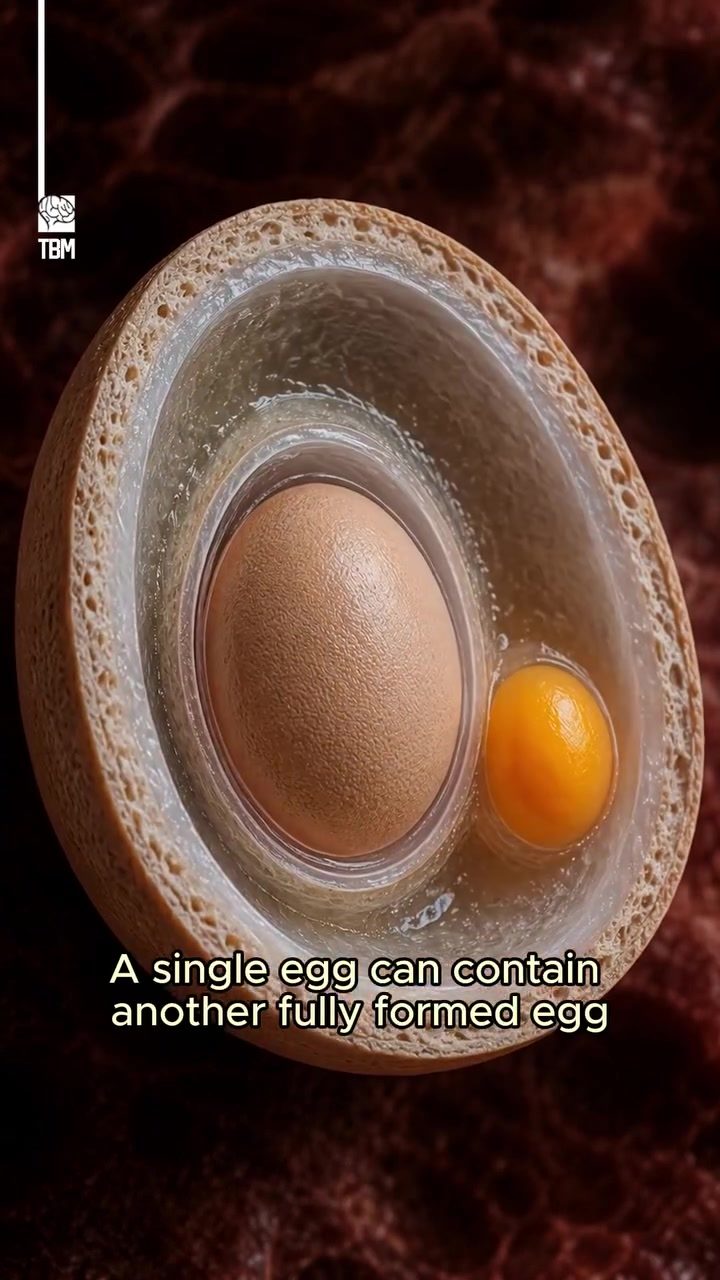
Nested Eggs: The Fascinating Phenomenon of Eggs Within Eggs
Eggs are a staple in many diets and cultures, but have you ever wondered about the rare and intriguing phenomenon of nested eggs? These are eggs that contain smaller, fully formed eggs within them. This natural occurrence is more than just a curiosity; it provides a unique glimpse into the complexities of avian reproduction.
Why This Matters
Understanding the science behind nested eggs offers insights into the reproductive processes of hens and the conditions that can lead to such unusual formations. This knowledge can be useful for poultry farmers and anyone interested in the intricacies of avian biology. Moreover, it highlights the incredible adaptability and resilience of natural processes, even under unusual circumstances.
The Science Behind Nested Eggs
The formation of a nested egg begins with the release of a yolk from the hen's ovary into the oviduct. As the yolk travels through the reproductive tract, layers of egg white, membranes, and finally a hard shell form around it, creating a complete egg. Normally, this egg is laid. However, in the rare condition known as ovum and ovo, the fully formed egg is accidentally pushed backward into the oviduct by abnormal muscular contractions.
The Formation Process
During this backward movement, a new yolk is released from the ovary. The first egg and the new yolk then travel together through the oviduct. Another layer of egg white membranes and a second outer shell form around both, resulting in a single large egg containing another complete egg inside. This process is visually demonstrated by close-up shots of eggs revealing smaller, fully formed eggs within them.
In extremely rare cases, two yolks are released instead of one. This allows the outer egg to contain a fully formed egg and two yolks within a single shell. The layers of membranes and shells ensure that the inner egg and yolks remain separate and intact, creating a fascinating natural phenomenon.
Types of Nested Eggs
Single Yolk Nested Eggs
In this type, a single yolk is released, and the process described above occurs. The outer shell contains a complete egg inside, which is fully formed and separate from the outer layers. This is the most common form of nested egg and is often the result of abnormal muscular contractions in the hen's reproductive tract.
Double Yolk Nested Eggs
In this rarer variation, two yolks are released instead of one. The outer shell then forms around the inner egg and the two yolks, creating a unique and visually striking formation. This type of nested egg is even more uncommon and provides a deeper understanding of the hen's reproductive capabilities.
Practical Tips for Identifying Nested Eggs
Identifying nested eggs can be both a fascinating and practical skill, especially for poultry farmers. Here are some tips to help you recognize these unusual formations:
- Visual Inspection: Look for eggs that appear larger than average. These eggs may contain smaller, fully formed eggs within them.
- Cracking Open: Carefully crack open the egg to reveal the inner structures. Be cautious to avoid damaging the inner egg or yolks.
- Consistency: Nested eggs may have a slightly different consistency and texture compared to regular eggs. Pay attention to any unusual layers or membranes.
Important Takeaways
Nested eggs are a rare and fascinating natural phenomenon that offer insights into the reproductive processes of hens. Understanding the science behind these formations can be beneficial for poultry farmers and anyone interested in avian biology. Key takeaways include:
- Formation Process: The process involves abnormal muscular contractions that push a fully formed egg backward into the oviduct, where a new yolk is released and another layer of membranes and shell forms around both.
- Types of Nested Eggs: There are two main types of nested eggs—single yolk and double yolk. Each type has its own unique formation process and visual characteristics.
- Identification Tips: Recognizing nested eggs involves visual inspection, careful cracking, and paying attention to consistency and texture.
Conclusion
Nested eggs are a remarkable example of nature's unpredictability and complexity. By understanding the science behind these formations, we gain a deeper appreciation for the intricacies of avian reproduction and the conditions that can lead to such unusual outcomes. Whether you're a poultry farmer or simply curious about the natural world, the phenomenon of nested eggs offers a wealth of information and wonder.
Watch the Reel
Questions readers ask
What is an egg within an egg and how does it form?
An egg within an egg, also known as ovo in ovo, is a rare phenomenon where a fully formed egg is encased within another egg. This happens when a hen's reproductive system produces an egg that is not expelled properly and is pushed back into the oviduct, where it is then encased within another egg as the hen's reproductive cycle continues.
How common is the double egg phenomenon in chickens?
The double egg phenomenon, or ovo in ovo, is quite rare. It is not a common occurrence in chicken farming. It is estimated to happen in less than 1% of eggs, making it a notable anomaly in poultry reproduction.
Are double yolk eggs and eggs within eggs the same thing?
No, double yolk eggs and eggs within eggs are not the same. Double yolk eggs occur when a hen releases two yolks into a single shell, resulting in an egg with two yolks. In contrast, an egg within an egg involves a fully formed egg being encased within another, separate egg.
What causes a hen to lay a double shell egg?
A double shell egg occurs when the hen's reproductive system produces an egg that does not fully exit the oviduct. During its second laying cycle, the hen may expel another shell around the existing egg, resulting in a double shell egg.
Is it safe to eat an egg within an egg?
While an egg within an egg is generally safe to eat, it is important to ensure that the egg is fresh and has been refrigerated properly. The inner egg may be slightly undercooked, because it is smaller and takes less time to cook. Make sure to cook the entire egg thoroughly to avoid any foodborne illnesses.
Can the double egg phenomenon be influenced by dietary factors in hens?
There is limited evidence to suggest that the double egg phenomenon can be influenced by dietary factors. However, proper nutrition, hydration, and stress-free environments can optimize overall health and reproduction in hens, potentially reducing the occurrence of such anomalies.
What should I do if I find an egg within an egg in my hen coop?
If you find an egg within an egg in your hen coop, it is recommended to document the occurrence for future reference. You can also inform local poultry experts or farmers. The hen should be monitored for any signs of distress, but generally, it is not a cause for concern regarding her overall health and productivity.
Recent articles
Fresh deep dives from the latest Reels we unpacked.




Comments
Be the first to comment.