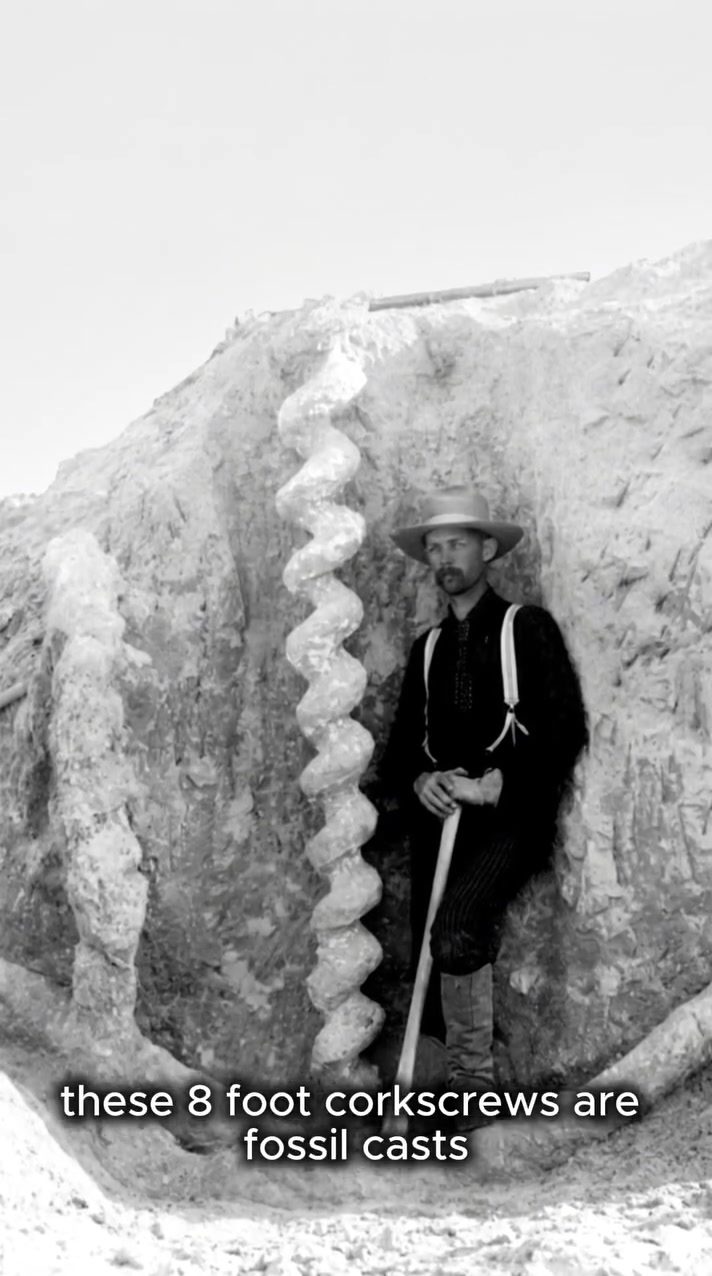
Fossil Casts and Giant Roots
The fossil casts at Agate Fossil Beds in Nebraska are a fascinating example of how ancient creatures adapted to their environment. These spiral formations, which resemble corkscrews and were once thought to be enormous roots, stretch roughly six to eight feet through ancient soil, descending into chambers that once served as homes for an extinct species of beaver.
Context / Why This Matters
Understanding the origins and purposes of these fossil casts provides a unique glimpse into the lives of prehistoric animals and the environments they inhabited. At Agate Fossil Beds, the presence of these fossilized burrows adds to the ongoing narrative of how life evolved in the region. The discovery of these formations has been instrumental in paleontological research, offering clues about the behavior and habitats of ancient animals.
Main Discussion
The Discovery and Initial Misconceptions
When these fossil spirals were first studied in the 1890s, their origin was a subject of intense debate. Early explanations proposed that these formations were the remains of enormous roots. This misconception persisted until physical evidence uncovered the truth. The fossil remains of the small dry-land beaver Palaeocastor were found inside similar corkscrew-shaped formations, revealing that these spiral burrows were actually created by these ancient mammals.
The Paleocastor and Its Burrows
The burrows, now known to be the work of Palaeocastor, served as more than just a resting place. Each spiral leading down to a chamber provided a stable environment with controlled temperature and humidity, protecting the animals from the harsh climate above ground. These chambers, often referred to as a "stone doorway home," were critical for the survival of these creatures. The stability of these burrows allowed the animals to maintain a safe haven, demonstrating an advanced level of adaptation.
The Formation of Fossil Casts
Over 20 million years, the burrows of Palaeocastor became fossilized, leaving behind these remarkable spiral formations. These fossil casts are essentially the negative impressions of the burrows, preserving the intricate details of the original structures. The spirals, now part of the geological record, serve as a testament to the engineering skills of these ancient beavers.
The Geological and Paleontological Significance
The discovery of these fossil burrows has significantly contributed to the field of paleontology, particularly in understanding the behavior and ecology of prehistoric animals. The Agate Fossil Beds site, where these formations are located, is a treasure trove of fossil remains, offering a comprehensive view of life during the Miocene epoch. The burrows, along with other fossils, provide a detailed record of the environmental conditions and the adaptations necessary for survival in the ancient landscape.
The Burrows in Modern Research
Recent research continues to explore the significance of these fossil burrows. Scientists study the physical evidence left behind by Palaeocastor, including burrow structures, to understand more about the animal’s behavior and ecological role. This ongoing research helps to refine our understanding of prehistoric life and the adaptability of ancient species.
Practical Tips for Visiting Agate Fossil Beds
For those interested in exploring these ancient wonders, a visit to Agate Fossil Beds National Monument is highly recommended. Here are some practical tips to make the most of your visit:
- Plan Your Visit: Check the park's operating hours and any seasonal closures before planning your trip.
- Guided Tours: Participate in guided tours to gain a deeper understanding of the fossil casts and their significance. The park offers educational programs that provide detailed insights.
- Exploration: Take your time to explore the various fossil sites. The trails are well-marked, making it easy to navigate and discover different formations.
- Interpretive Center: Visit the park's interpretive center to see more fossils and learn about their history.
- Photography: Bring a camera to capture the unique beauty of the fossil casts. The formations make for stunning photographs.
- Bring Water and Snacks: Carry water and snacks, especially during the hot summer months. Proper hydration and nourishment are essential for a comfortable and enjoyable visit.
Important Takeaways
The fossil casts at Agate Fossil Beds offer a rare glimpse into the lives of ancient animals and their adaptations. The discovery of these burrows has shed light on the behavior and habits of Palaeocastor, revealing how these creatures engineered their homes to survive in a challenging environment. These burrows are more than just geological curiosities; they are a testament to the remarkable resilience and ingenuity of prehistoric life.
Conclusion
The fossil casts at Agate Fossil Beds in Nebraska are a testament to the rich history and geological significance of the region. These spiral formations, once thought to be enormous roots, are now known to be the fossilized burrows of the extinct beaver Palaeocastor. Each spiral led down to a chamber, a sanctuary that provided these animals with a stable environment, protected from the harsh climate above. Whether you are a paleontology enthusiast or a curious explorer, a visit to Agate Fossil Beds offers an unforgettable experience, showcasing the intricate details of prehistoric life and the enduring legacy of these remarkable creatures.
Watch the Reel
Questions readers ask
What are the fossil casts at Agate Fossil Beds and why were they initially mistaken for giant roots?
The fossil casts at Agate Fossil Beds are spiral formations in ancient soil that were once thought to be giant roots because of their size and shape. These structures stretch up to eight feet and descend into chambers, unlike any known plant roots.
What species of animal created the fossil casts at Agate Fossil Beds?
The fossil casts at Agate Fossil Beds were created by an extinct species of beaver. These ancient beavers constructed elaborate burrows, which have since fossilized, providing a rare look into their historical habitats.
How do the fossil casts at Agate Fossil Beds help us understand prehistoric animal behavior?
By studying the fossil casts, researchers can gain insights into the burrowing behaviors and adaptations of prehistoric animals, such as the extinct beaver species. These burrows reveal how these animals adapted to their environment.
What is the significance of the fossil burrows at Agate Fossil Beds in Nebraska?
The fossil burrows at Agate Fossil Beds are significant because they provide a unique window into the evolution of life in the region. They contribute to the broader understanding of how animals and their environments interacted in the past.
How are the fossil burrows casts at Agate Fossil Beds preserved?
The fossil burrows at Agate Fossil Beds are preserved through the process of fossilization, where the ancient soil and structures hardened over time. This preserved the intricate burrow structures, allowing scientists to study them today.
What makes the fossil casts at Agate Fossil Beds a unique geological feature?
The fossil casts at Agate Fossil Beds are unique because of their size, shape, and the intricate burrow structures they display. Unlike typical plant roots, these formations offer a detailed look into the lifestyles of ancient beavers and their complex burrowing behaviors.
What role do the fossil casts play in paleontological research?
The fossil casts at Agate Fossil Beds play a crucial role in paleontological research by providing tangible evidence of ancient animal habitats and behaviors. They help scientists piece together the history of life in the region and the adaptations of extinct species.
Recent articles
Fresh deep dives from the latest Reels we unpacked.




Comments
Be the first to comment.