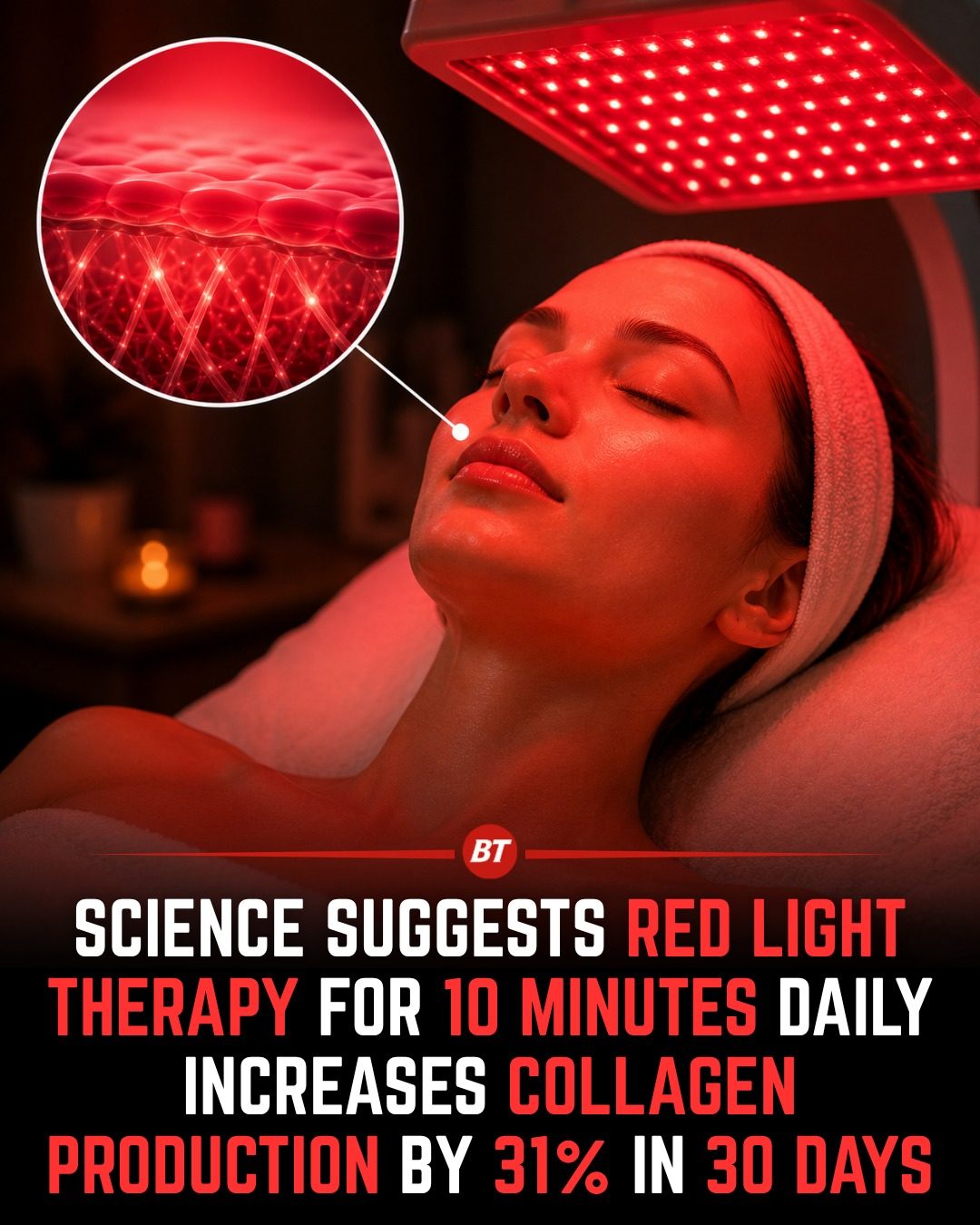
Red Light Therapy
Red light therapy is a non-invasive treatment that uses specific wavelengths of red and near-infrared light to penetrate the skin. This therapy is gaining popularity for its potential to enhance collagen production, improve skin elasticity, and reduce the appearance of wrinkles. Understanding the science behind red light therapy, its benefits, and how to use it effectively can help you make informed decisions about incorporating this treatment into your skincare routine.
Why This Matters
Collagen is a crucial protein that provides structure and elasticity to the skin. As we age, collagen production naturally decreases, leading towrinkles and sagging skin. Red light therapy offers a promising solution to combat these signs of aging without the need for invasive procedures or extensive downtime. By stimulating cellular activity and supporting the skin's natural repair mechanisms, red light therapy can help maintain firmer, smoother skin. Additionally, its potential benefits extend beyond cosmetic improvements, including wound healing and inflammation reduction.
Main Discussion
How Red Light Therapy Works
Red light therapy devices emit specific wavelengths of light that penetrate the skin and are absorbed by the mitochondria, the tiny energy-producing structures inside cells. This process is believed to stimulate cellular activity, enhancing the skin's natural repair mechanisms. Researchers have found that red light encourages fibroblasts—the cells responsible for producing collagen and elastin—to become more active. Increased collagen production helps maintain firmer, smoother skin and may aid in the repair of minor skin damage.
Benefits of Red Light Therapy
Clinical studies have shown that regular red light therapy can improve collagen density, skin elasticity, and wrinkle appearance over time. In one controlled trial published in Photomedicine and Laser Surgery, participants who underwent consistent red light treatments experienced measurable increases in collagen production and improvements in overall skin texture after several weeks. These benefits make red light therapy a valuable addition to any anti-aging skincare regimen.
Beyond its cosmetic effects, red light therapy has also been studied for supporting wound healing, reducing inflammation, and promoting muscle recovery. This versatility makes it one of the most researched non-invasive light-based therapies available. Its ability to penetrate deeply into the skin and stimulate cellular activity means it can be effective for a variety of skin concerns, from fine lines to acne scars.
Types of Red Light Therapy Devices
Red light therapy devices come in various forms, including handheld devices, face masks, and full-body panels. Handheld devices are portable and convenient for targeted treatments, such as applying light to specific areas of the face or body. Face masks offer a hands-free experience and can be more comfortable for longer treatment sessions. Full-body panels are ideal for those looking to treat larger areas of the skin or for a more comprehensive therapy session.
When selecting a red light therapy device, look for one that emits wavelengths in the range of 620-700 nanometers (nm) for red light and 800-850 nm for near-infrared light. These wavelengths have been shown to be most effective for stimulating collagen production and promoting skin healing. Always choose a clinically validated device to ensure you are getting the recommended dosage and benefits.
Practical Tips
How to Use Red Light Therapy
The use of a red light therapy device for 10-20 minutes several times a week is recommended. To get the best results, keep the light at the recommended distance from your skin. Consistency is key, as benefits typically develop gradually over weeks rather than days. Ensure you follow the manufacturer's instructions for safe and effective use.
Incorporating Red Light Therapy into Your Routine
To maximize the benefits of red light therapy, incorporate it into your existing skincare routine. Here are some tips for getting the most out of your treatment:
- Cleanse and Prepare: Before starting a red light therapy session, cleanse your skin thoroughly to remove any dirt, makeup, or oils that could interfere with light penetration.
- Apply Topicals: While red light therapy is effective on its own, using it in conjunction with skincare products that target collagen production, such as retinols or vitamin C serums, can enhance its effects. Apply these products 30 minutes before your therapy session for optimal absorption.
- Consistency: Just like any skincare regimen, consistency is crucial. Aim for daily or every-other-day sessions to see noticeable improvements in your skin's texture and firmness.
- Hydrate: Keep your skin hydrated by drinking plenty of water and using a moisturizer suitable for your skin type. Hydrated skin responds better to red light therapy and retains its elasticity.
Safety Precautions
Red light therapy is generally considered safe, but it's essential to follow the manufacturer's guidelines and consult with a healthcare provider before starting any new treatment, especially if you have a medical condition or are pregnant. Always wear protective eyewear when using red light therapy devices, as the intense light can be harmful to the eyes. Avoid looking directly into the light and keep the device at the recommended distance from your skin.
Important Takeaways
Red light therapy offers a non-invasive, effective way to enhance collagen production and improve skin elasticity. By stimulating cellular activity and supporting the skin's natural repair mechanisms, this therapy can help combat signs of aging, reduce inflammation, and promote wound healing. Choosing the right device and incorporating red light therapy into your skincare routine can lead to noticeable improvements in your skin's texture and firmness. Regular use, along with a consistent skincare regimen, can help maintain healthy, youthful-looking skin.
Conclusion
Red light therapy is a powerful tool in the quest for healthier, younger-looking skin. Its ability to stimulate collagen production and improve skin elasticity makes it a valuable addition to any anti-aging skincare regimen. By understanding how red light therapy works, selecting the right device, and incorporating it into your routine, you can achieve noticeable improvements in your skin's appearance. As always, consult with a healthcare provider to ensure this therapy is suitable for your specific needs and conditions. Embrace the benefits of red light therapy and take a step towards healthier, more radiant skin.
Watch the Reel
Questions readers ask
How does red light therapy enhance collagen production?
Red light therapy works by using specific wavelengths of light to penetrate the skin and stimulate cellular activity. This process encourages fibroblasts—the cells responsible for producing collagen—to increase collagen synthesis, leading to improved skin structure and elasticity.
What are the benefits of using red light therapy for skin?
Red light therapy for skin offers several benefits, including boosting collagen, improving skin elasticity, and reducing the appearance of wrinkles. It also supports the skin's natural repair processes, promoting firmer and smoother skin without the need for invasive procedures.
Can red light therapy help with signs of aging in just 30 days?
Yes, many users report seeing noticeable improvements in skin texture and wrinkle reduction within 30 days of consistent red light therapy. The therapy stimulates collagen production and skin repair, which can lead to more youthful-looking skin in a relatively short period.
How does red light therapy support natural skin repair?
Red light therapy promotes natural skin repair by stimulating the production of ATP (adenosine triphosphate), the energy source that fuels cellular activity. This increased energy helps accelerate the skin's healing processes, making it an effective non-invasive skin treatment for improving overall skin health.
What are the key wavelengths used in red light therapy for collagen increase?
The key wavelengths used in red light therapy for boosting collagen are typically in the range of 620-660 nanometers (nm) for red light and 810-850 nm for near-infrared light. These specific wavelengths are known to penetrate the skin effectively and stimulate the production of collagen and elastin.
Is red light therapy safe for all skin types?
Yes, red light therapy is generally considered safe for all skin types. It is a non-invasive treatment that does not involve harsh chemicals or invasive procedures. However, it is always a good idea to consult with a healthcare professional before starting any new skincare regimen, especially if you have any pre-existing conditions or concerns.
How often should I use red light therapy to see results?
For optimal results, it is recommended to use red light therapy consistently. Many users see benefits with 5-10 minute sessions, 3-5 times per week. Consistency is key, and you should follow the guidelines provided with your device to maximize the potential benefits for your skin.
Related deep dives
Similar reads based on topic and creator.




Recent articles
Fresh deep dives from the latest Reels we unpacked.




Comments
Be the first to comment.