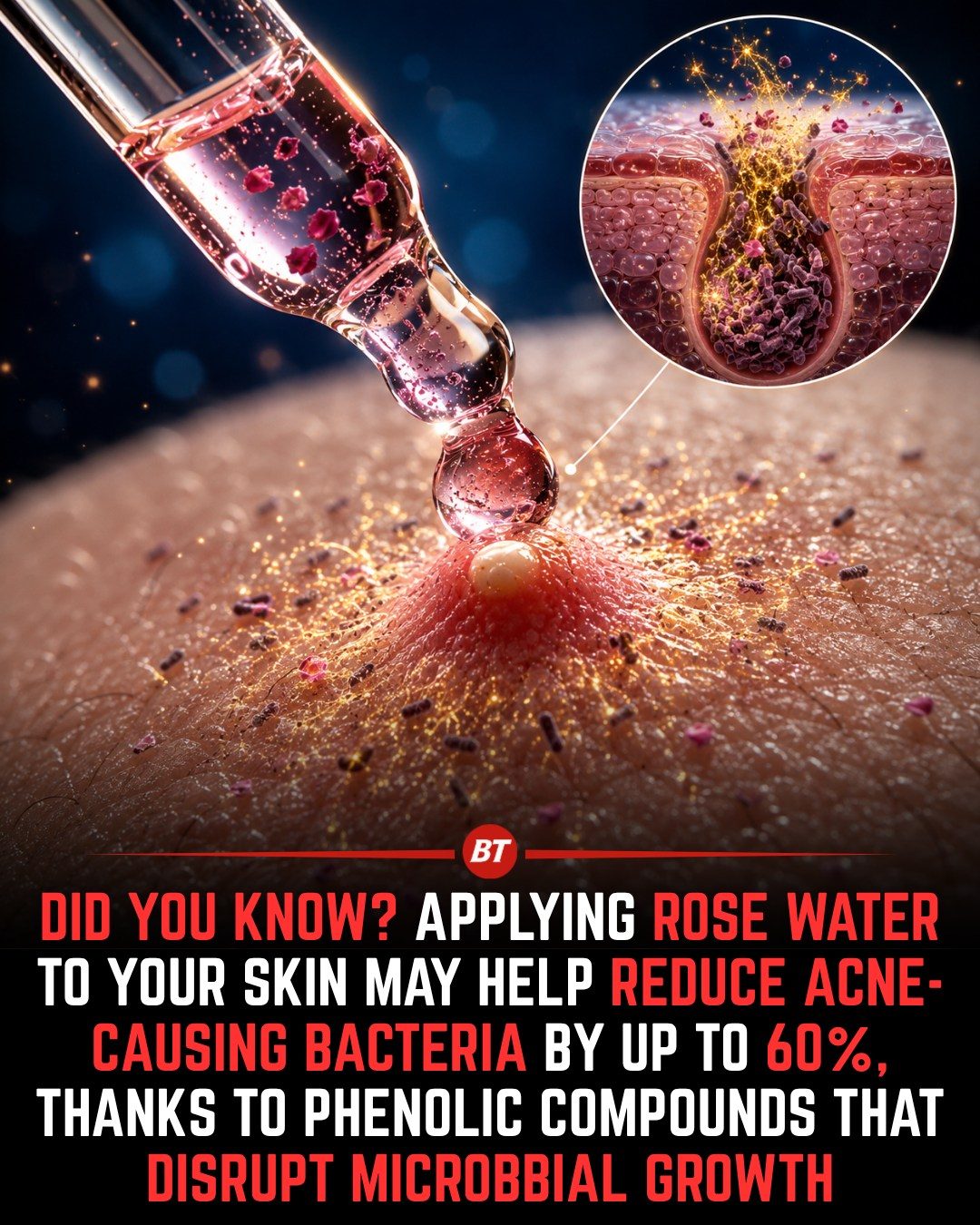
Discovering the Natural Benefits of Rose Water Skincare
Rose water has been a staple in traditional skincare routines for centuries, renowned for its natural phenolic compounds and flavonoids. These components have been extensively studied for their antioxidant, soothing, and mild antimicrobial properties, making rose water a valuable addition to modern skincare regimens.
Context / Why This Matters
The shift towards natural skincare ingredients has gained significant momentum, with rose water emerging as a popular choice. Understanding the scientific basis behind its benefits can help you make informed decisions about incorporating it into your daily skincare routine.
Main Discussion
The Production and Composition of Rose Water
Rose water is produced through steam distillation of rose petals, a process that preserves the naturally occurring plant compounds. These compounds, which help the flower protect itself from environmental stress, have been shown to demonstrate antioxidant activity in laboratory studies. This activity helps neutralize free radicals, which can contribute to skin aging and irritation.
Antioxidant and Antimicrobial Properties
Research has shown that extracts from the Damask rose (Rosa damascena) exhibit mild antimicrobial effects against certain bacteria and fungi under laboratory conditions. This makes rose water a beneficial ingredient for those with sensitive or easily irritated skin. The phenolic compounds in rose water play a crucial role in disrupting microbial growth, potentially reducing acne-causing bacteria by up to 60%.
Anti-Inflammatory and Soothing Effects
Beyond its antimicrobial properties, rose water has gentle anti-inflammatory properties that can help calm redness and support the skin's natural barrier. This makes it a popular ingredient for those with sensitive skin or conditions like rosacea. The soothing effects of rose water can also help alleviate skin irritation caused by sun exposure or other environmental factors.
Bioactive Compounds in Roses
A 2023 review published in Nutrients highlighted the bioactive compounds found in roses, including phenolic acids, flavonoids, and anthocyanins. These compounds have antioxidant and skin-supporting potential, making rose water a refreshing botanical toner that hydrates the skin while providing naturally occurring plant antioxidants.
Practical Tips
Incorporating Rose Water into Your Skincare Routine
To experience the benefits of rose water, try the following:
-
Cleansing and Toning: After cleansing your face, apply pure, alcohol-free rose water with a cotton pad or a fine mist before applying your moisturizer. This helps to hydrate and prepare your skin for better absorption of subsequent skincare products.
-
Soothing Treatment: Store rose water in the refrigerator for an extra cooling effect. This can be particularly soothing for skin that has been exposed to the sun or has endured a long day of environmental stress.
-
DIY Face Mask: Create a simple face mask by mixing rose water with a small amount of honey and applying it to your face. Leave it on for 10-15 minutes before rinsing off with warm water.
-
Hydrating Spray: Use rose water as a refreshing facial spray throughout the day to keep your skin hydrated and refreshed.
Important Takeaways
- Rose water contains natural phenolic compounds and flavonoids that have antioxidant, soothing, and mild antimicrobial properties.
- It is produced by steam-distilling rose petals, preserving beneficial plant compounds.
- Rose water has demonstrated antioxidant activity that helps neutralize free radicals, contributing to skin health.
- Extracts from Damask rose exhibit mild antimicrobial effects, making rose water beneficial for sensitive or irritated skin.
- The phenolic compounds in rose water can disrupt microbial growth, potentially reducing acne-causing bacteria by up to 60%.
- Rose water has gentle anti-inflammatory properties that help calm redness and support the skin's natural barrier.
- A 2023 review highlighted bioactive compounds in roses, including phenolic acids, flavonoids, and anthocyanins, for their antioxidant and skin-supporting potential.
Conclusion
Rose water offers a range of benefits for the skin, from antimicrobial and anti-inflammatory properties to antioxidant and soothing effects. Incorporating it into your skincare routine can provide a refreshing and hydrating experience, making it a valuable addition to your skincare regimen. Whether used as a toner, soothing treatment, face mask, or hydration spray, rose water can help support overall skin health and wellness.
Watch the Reel
Questions readers ask
How does rose water help combat acne?
Rose water contains mild antimicrobial properties that target acne-causing bacteria. Additionally, its phenolic compounds and flavonoids help reduce inflammation, which can alleviate acne symptoms and promote a healthier skin barrier.
Can rose water be used daily for acne-prone skin?
Yes, rose water is gentle enough for daily use. Its soothing properties help calm skin irritation, while its antimicrobial effects work continuously to keep acne-causing bacteria at bay, making it an excellent choice for daily skincare routines.
What are phenolic compounds and flavonoids, and how do they benefit acne-prone skin?
Phenolic compounds and flavonoids are natural antioxidants found in rose water. These compounds neutralize free radicals, reducing oxidative stress and inflammation in the skin. They also help maintain the skin's natural barrier, which can prevent acne breakouts.
Is rose water suitable for all skin types, including sensitive skin?
Rose water is typically well-tolerated by most skin types, including sensitive skin. Its gentle formula helps soothe skin irritation and calm inflammation, making it a versatile option for those with acne-prone and sensitive skin.
How can I incorporate rose water into my skincare routine for acne?
Rose water can be used as a toner, applied after cleansing and before moisturizing. It can also be used as a facial mist throughout the day to refresh and hydrate the skin. Alternatively, you can add it to your face mask for an extra boost of antioxidants and soothing properties.
Does rose water have any additional benefits for the skin besides acne treatment?
Rose water also acts as a natural astringent, helping to tighten pores and reduce the appearance of enlarged pores. It can also improve skin hydration, giving it a more radiant and youthful appearance, alongside its acne-fighting benefits.
How does rose water compare to other natural acne treatments, like tea tree oil?
Unlike tea tree oil, which can be too harsh for some skin types, rose water is gentle and suitable for daily use. While tea tree oil has strong antimicrobial properties, rose water offers a milder approach with additional soothing and antioxidant benefits, making it an excellent alternative for those with sensitive skin.
Related deep dives
Similar reads based on topic and creator.




Recent articles
Fresh deep dives from the latest Reels we unpacked.




Comments
Be the first to comment.