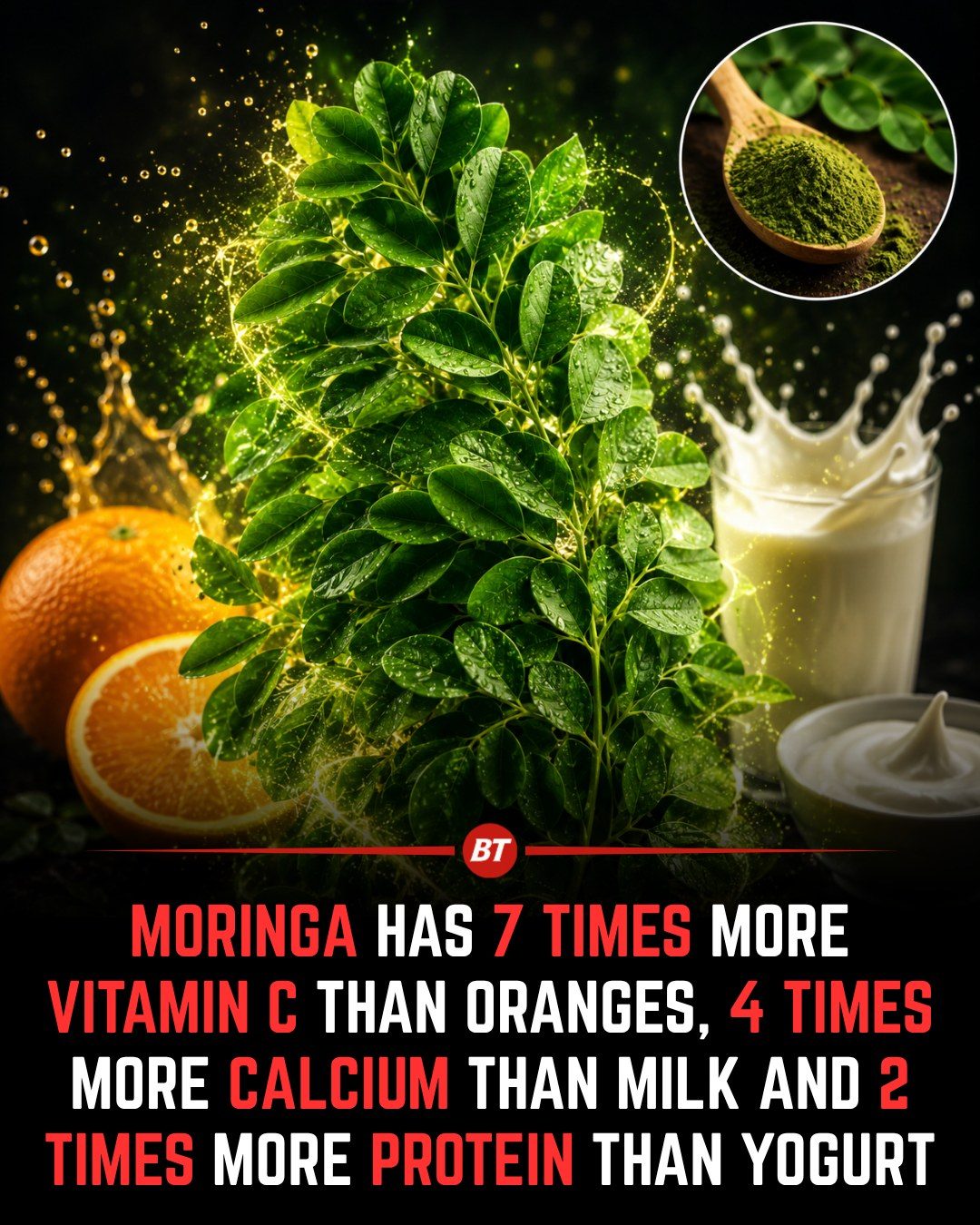
Moringa: A Nutrient-Packed Superfood
Moringa, often dubbed the "miracle tree," is renowned for its exceptional nutrient density. This plant has been a staple in traditional medicine and cuisine for generations, valued for its impressive nutritional profile. Gram for gram, moringa leaves pack a powerful punch of vitamins, minerals, and antioxidants, making it one of the most nutrient-rich plants available.
Why This Matters
In today's health-conscious world, understanding the nutritional benefits of superfoods like moringa can help in making informed dietary choices. By incorporating moringa into your diet, you can enhance your overall health and well-being, ensuring you get a broad spectrum of essential nutrients. Moringa's versatility and high nutritional content make it a valuable addition to any diet, whether you are looking to boost your immune system, support bone health, or maintain muscle function.
Digging Deeper into Moringa's Nutritional Profile
Vitamin C: A Powerful Antioxidant
Moringa leaves contain an astounding amount of vitamin C—seven times more than oranges. Vitamin C is crucial for supporting immune function, promoting healthy skin, and aiding in the absorption of iron. Its antioxidant properties help protect cells from damage, supporting overall health and well-being.
Calcium: Building Strong Bones
With four times more calcium than milk, moringa is an excellent source of this essential mineral. Calcium is vital for building and maintaining strong bones and teeth, as well as supporting muscle and nerve function. Incorporating moringa into your diet can help ensure you meet your daily calcium needs, especially for those who are lactose intolerant or follow a plant-based diet.
Protein: Essential for Muscle Maintenance
Moringa leaves contain twice the amount of protein found in yogurt, making it a valuable source of plant-based protein. Protein is essential for muscle maintenance, repair, and growth. It also plays a crucial role in various bodily functions, including hormone production, enzyme function, and immune response. Moringa's protein content, along with its complete amino acid profile, makes it a great addition to a balanced diet.
Additional Nutrients and Antioxidants
Moringa is not only rich in vitamin C, calcium, and protein but also contains significant amounts of other essential nutrients. Its leaves are packed with potassium, iron, and a variety of antioxidants, including quercetin, chlorogenic acid, and beta-carotene. These compounds support immune function, bone health, muscle maintenance, and cellular protection. The antioxidant content in moringa helps regulate blood sugar levels, balance inflammation, and promote cardiovascular health.
Practical Tips for Incorporating Moringa into Your Diet
Smoothies and Juices
One of the easiest ways to incorporate moringa into your diet is by adding moringa powder to your morning smoothie. Its mild flavor blends well with fruits and vegetables, making it a versatile addition to any smoothie recipe. You can also combine it with juices, creating a refreshing and nutritious beverage.
Soups and Stews
Adding moringa leaves or powder to soups and stews is an excellent way to enhance their nutritional content. The mild, slightly earthy flavor of moringa complements a variety of dishes, adding a boost of vitamins, minerals, and antioxidants. Moringa can be used in traditional recipes or as a unique twist in your favorite soups and stews.
Teas and Infusions
Moringa leaves can be brewed as a tea, providing a warming and soothing beverage that's rich in essential nutrients. To make moringa tea, simply steep dried moringa leaves in hot water for a few minutes, then strain and enjoy. This refreshing beverage can be consumed hot or cold, making it a versatile option for any time of the day.
Cooking and Baking
Moringa powder can be added to various baked goods, such as muffins, bread, and cookies, for an extra nutritional boost. Its milder taste makes it a discreet addition to many recipes. You can also sprinkle moringa powder over salads, cereals, or oatmeal for added flavor and nutrition.
Important Takeaways
Moringa's impressive nutritional profile makes it a valuable addition to any diet. With its exceptional levels of vitamin C, calcium, and protein, along with a host of other essential nutrients and antioxidants, moringa supports various aspects of health and well-being. By incorporating moringa into your meals, you can enjoy a nutrient-rich diet that supports immune function, bone health, and overall wellness.
Conclusion
Moringa, the "miracle tree," offers a wealth of nutritional benefits that can enhance your overall health. Its high content of essential vitamins, minerals, and antioxidants makes it a powerful addition to any diet. Whether you incorporate it into smoothies, soups, teas, or baked goods, moringa can help you achieve a balanced and nutritious diet. Embrace the versatility and nutritional richness of moringa to support your health and wellness journey.
Watch the Reel
Questions readers ask
How much vitamin C does moringa contain compared to oranges?
Moringa leaves contain about 7 times more vitamin C than oranges. While a medium orange provides around 70 mg of vitamin C, one cup of fresh moringa leaves offers approximately 500 mg of this essential antioxidant.
Can moringa help strengthen bones?
Yes, moringa is an excellent source of calcium, providing about 175mg per cup. This is roughly 17% of the daily recommended intake for adults. Incorporating moringa into your diet can help support bone health and potentially reduce the risk of bone-related conditions, especially in combination with a balanced diet and regular exercise.
How does the protein content in moringa compare to other common foods?
Moringa is a remarkable source of plant-based protein, with one cup of fresh leaves containing around 9.2 grams. To put this into perspective, the same amount of cooked spinach provides about 5.3 grams of protein, and a cup of cooked lentils offers around 18.5 grams. Moringa is a good source of protein for those looking to add diverse, plant based options to their diet.
In what ways can moringa support the immune system?
Moringa provides a rich source of vitamin C, which is crucial for immune function. Additionally, its high antioxidant content helps protect cells from damage, while its anti-inflammatory properties may further enhance immune response and overall health.
What are the key nutritional benefits of moringa for muscle health?
Moringa's high protein content makes it an excellent choice for supporting muscle maintenance and growth. Additionally, the plant's rich mix of vitamins and minerals, including potassium and iron, helps reduce muscle fatigue and promotes overall muscle function.
How can I incorporate moringa into my daily diet?
Moringa is a versatile ingredient that can be easily incorporated into your meals. You can add fresh or dried moringa leaves to smoothies, soups, and salads. Moringa powder can be used in baking, mixed into yogurt, or blended with beverages. Moringa leaves can also be cooked as a side dish or added to stir-fries and stews. Moringa tea is another simple and enjoyable way to reap its benefits.
What makes moringa a valuable superfood?
Moringa is considered a valuable superfood due to its exceptional nutrient density. It provides high levels of vitamin C, calcium, and protein, along with an array of other vitamins, minerals, and antioxidants. This nutrient powerhouse supports various aspects of health, including immune function, bone health, and muscle maintenance, making it a beneficial addition to any diet.
Related deep dives
Similar reads based on topic and creator.




Recent articles
Fresh deep dives from the latest Reels we unpacked.




Comments
Be the first to comment.