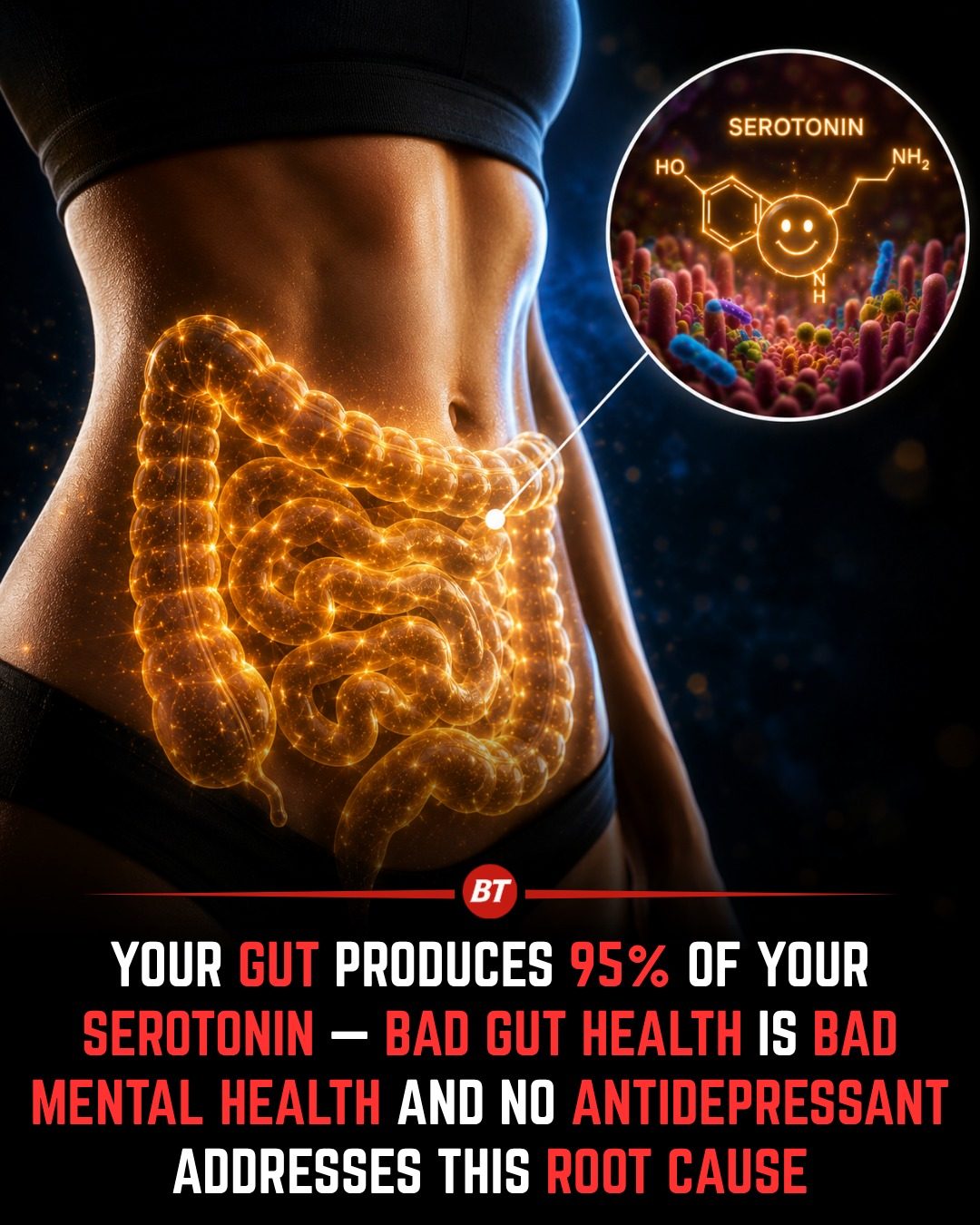
Serotonin and Gut Health
The intricate relationship between serotonin and gut health has garnered significant attention in recent years. Serotonin, often referred to as the "feel-good" neurotransmitter, plays a crucial role in regulating mood, sleep, appetite, memory, and emotional well-being. Surprisingly, approximately 90–95% of the body's serotonin is produced in the digestive tract, not the brain. This revelation has sparked a deeper understanding of how digestive health and mental health are interconnected.
Why This Matters
The significance of this connection cannot be overstated. The gut-brain axis is a two-way communication network that links the digestive system, nervous system, immune system, and brain. This axis is influenced by trillions of gut microbes that work closely with the cells lining the intestines to produce serotonin and other important chemical signals. When gut health is compromised by factors such as poor diet, chronic stress, lack of sleep, inflammation, or disruptions to the microbiome, it can affect the chemical messages traveling between the gut and the brain. This disruption can influence mood, resilience to stress, and overall mental well-being.
The Gut-Brain Axis
What Is the Gut-Brain Axis?
The gut-brain axis is a complex network that facilitates communication between the gut and the brain. This bidirectional pathway allows the brain to influence gut function and vice versa. The gut microbiome, which consists of trillions of bacteria, plays a pivotal role in this communication. These microbes help regulate the production of serotonin and other neurotransmitters, which in turn affect brain function and mental health.
How Gut Health Impacts Mental Health
When the gut microbiome is disrupted, it can lead to a decrease in serotonin production, which may negatively impact mental health. Chronic stress, poor diet, and lack of sleep can all contribute to an imbalanced gut microbiome, leading to inflammation and other health issues. This imbalance can affect the gut-brain axis, potentially contributing to mental health conditions such as depression and anxiety.
Antidepressants and Gut Health
The Role of Antidepressants
Antidepressants are commonly prescribed to manage mental health conditions, but they may not address the root cause of the issue. Many conventional antidepressants target serotonin levels in the brain, but since the majority of serotonin is produced in the gut, addressing gut health could offer a more holistic approach to mental wellness.
The Importance of a Holistic Approach
By focusing on gut health, individuals may be able to support their mental well-being more effectively. This approach involves improving diet, reducing stress, and promoting a healthy lifestyle. While antidepressants can be beneficial for some, addressing the underlying gut issues may provide long-term relief and improved mental health.
Practical Tips for Improving Gut Health
Diet and Nutrition
Feeding your gut microbiome with fiber-rich vegetables, fruits, and legumes can significantly improve gut health. Fermented foods, such as yogurt, kefir, and sauerkraut, are also beneficial as they contain probiotics that support a healthy gut microbiome.
Lifestyle Factors
Quality sleep, regular exercise, and stress management are essential for maintaining a healthy gut. Chronic stress can disrupt the gut microbiome, so incorporating stress-reduction techniques like meditation, yoga, and deep breathing exercises can be highly beneficial.
Probiotics and Prebiotics
Probiotics are live microorganisms that, when consumed in adequate amounts, confer a health benefit on the host. Prebiotics are non-digestible food ingredients that selectively stimulate the growth and/or activity of beneficial bacteria in the gut. Incorporating both into your diet can help maintain a balanced gut microbiome.
Important Takeaways
Addressing Gut Health for Mental Well-being
Understanding the connection between gut health and serotonin production is crucial for maintaining mental well-being. By supporting the gut microbiome, individuals can potentially improve their mood, sleep, and overall emotional health.
Taking a Holistic Approach
While antidepressants can be helpful, focusing on gut health offers a more holistic approach to mental wellness. This involves making dietary and lifestyle changes that support a healthy gut microbiome, which in turn supports mental health.
Consulting Professionals
Although addressing gut health can provide significant benefits, it is essential to consult healthcare professionals for personalized advice and treatment. Mental health is complex and involves various factors, including genetics, life experiences, and brain chemistry. Seeking professional help ensures that all aspects of mental health are addressed.
Conclusion
The relationship between serotonin and gut health is a fascinating and important area of study. By recognizing the significance of the gut-brain axis and taking steps to improve gut health, individuals can potentially enhance their mental well-being. Whether through dietary changes, lifestyle adjustments, or seeking professional assistance, prioritizing gut health is a valuable approach to maintaining overall health and wellness.
Watch the Reel
Questions readers ask
How does the gut influence serotonin production?
The gut plays a pivotal role in serotonin production, as it is responsible for generating approximately 90–95% of the body's serotonin. This process is facilitated by specialized cells in the gut lining, which convert a precursor molecule into serotonin. The serotonin produced in the gut then influences various aspects of mental health and well-being.
What is the gut-brain axis, and how does it relate to mental health?
The gut-brain axis is a complex communication system that connects the digestive system with the brain. This axis is influenced by gut microbes and facilitates a two-way exchange of information between the gut and the brain. By maintaining a healthy gut, you can positively impact your mental health and emotional well-being.
How can improving gut health enhance mental well-being?
Improving gut health can enhance mental well-being by promoting better serotonin production, which aids in regulating mood, reducing stress, and improving sleep. A healthy gut also supports a robust immune system and reduces inflammation, all of which contribute to better mental health and overall well-being.
What role does the gut microbiome play in mental health?
The gut microbiome, which consists of trillions of microbes, plays a crucial role in mental health. These microbes help regulate serotonin production, influence the gut-brain axis, and support the body's immune response. A balanced and diverse gut microbiome can contribute to better mental health and emotional stability.
Can gut health impact stress and anxiety levels?
Yes, gut health can significantly impact stress and anxiety levels. The gut-brain axis enables the gut to send signals to the brain, which can influence mood and stress resilience. By maintaining good gut health, you can support better stress management and potentially reduce anxiety levels.
Related deep dives
Similar reads based on topic and creator.




Recent articles
Fresh deep dives from the latest Reels we unpacked.




Comments
Be the first to comment.