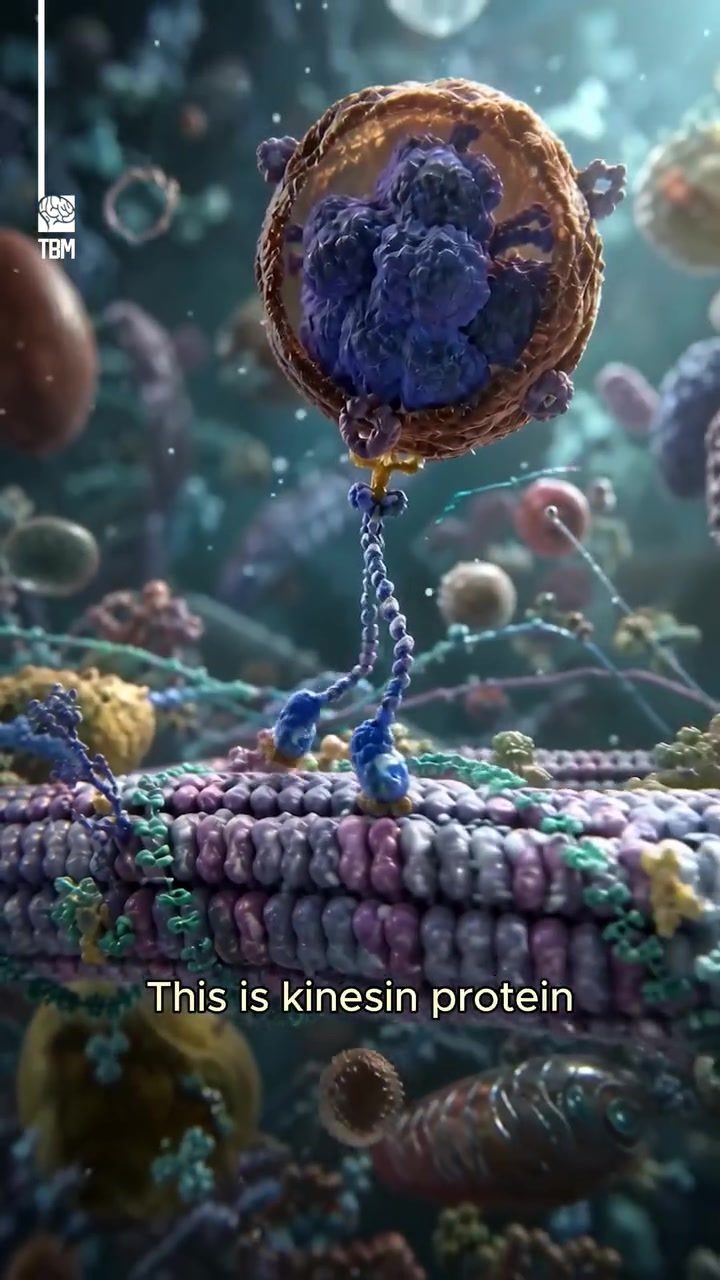
Kinesin Protein: The Tiny Motor Keeping Your Cells Alive
Kinesin proteins are microscopic molecular motors that play a crucial role in cellular transport. They move along microtubule tracks, carrying vital cargo such as vesicles, organelles, and even chromosomes to their destined locations within cells. This protein is particularly important in neurons, where it ensures that essential materials are delivered efficiently.
Why This Matters
The proper functioning of kinesin is vital for the health and survival of cells. When kinesin malfunctions, cellular transport can break down, leading to various health issues, including neurodegenerative diseases. Understanding how kinesin works can provide insights into potential treatments for these conditions and shed light on the intricate mechanisms that keep our cells functioning.
The Mechanism of Kinesin
Powered by ATP
Kinesin proteins are powered by adenosine triphosphate (ATP), the primary energy currency of cells. This molecular motor moves in a hand-over-hand motion, converting chemical energy into mechanical force with remarkable precision. This process allows kinesin to travel up to 800 nanometers per second, ensuring that cargo is delivered efficiently and accurately.
Directional Movement
Kinesin proteins move along microtubules, which are cylindrical structures composed of tubulin proteins. These microtubules act as tracks for kinesin, guiding it through the crowded interior of a living cell. Kinesin can navigate these tracks with incredible accuracy, moving cargo to specific destinations within the cell.
Cargo Transport
One of the most critical functions of kinesin is the transport of vesicles and organelles. Vesicles are small, membrane-bound structures that carry molecules and other materials between different parts of the cell. Organelles, on the other hand, are specialized structures that perform specific functions within the cell. By transporting these essential components, kinesin ensures that cells can carry out their functions effectively.
Kinesin in Neurons
Essential for Neuronal Function
In neurons, kinesin plays a particularly important role. Neurons are specialized cells that transmit signals throughout the nervous system. They have long, thin extensions called axons, which can extend for significant distances. Kinesin is crucial for transporting materials along these axons, ensuring that neurons can function properly.
Role in Neurodegenerative Diseases
When kinesin malfunctions in neurons, it can lead to the breakdown of cellular transport, contributing to neurodegenerative diseases. These diseases, such as Alzheimer's and Parkinson's, are characterized by the progressive loss of neuronal function and structure. Understanding how kinesin works and what happens when it malfunctions can provide valuable insights into potential treatments for these conditions.
Practical Tips for Understanding Kinesin
Visualize the Process
To better understand how kinesin works, consider visualizing the process. Imagine the kinesin protein as a tiny motor that moves along a track, carrying essential cargo. This mental image can help you grasp the complexity of cellular transport and the importance of kinesin in maintaining cellular health.
Explore Related Research
There is a wealth of research available on kinesin and its role in cellular transport. Exploring this research can provide a deeper understanding of how kinesin works and its implications for health and disease. Look for articles and studies that delve into the molecular mechanisms of kinesin and its role in neuronal function.
Learn About Related Proteins
Kinesin is just one of many proteins involved in cellular transport. Exploring other proteins, such as dynein and myosin, can provide a more comprehensive understanding of how cells function. These proteins work together to ensure that materials are transported efficiently within the cell, maintaining cellular health and function.
Important Takeaways
- Kinesin proteins are tiny molecular motors that play a crucial role in cellular transport.
- These proteins move along microtubule tracks, carrying vital cargo such as vesicles, organelles, and chromosomes.
- The proper functioning of kinesin is essential for the health and survival of cells and especially important in neurons.
- Kinesin is powered by ATP and moves in a hand-over-hand motion, converting chemical energy into mechanical force.
- Malfunctioning kinesin can lead to the breakdown of cellular transport, contributing to neurodegenerative diseases.
Kinesin: The Tiny Machine Keeping Cells Alive
The kinesin protein is one of life's smallest machines, quietly working to keep your cells alive. By understanding how kinesin functions and the importance of its role in cellular transport, you can gain a deeper appreciation for the intricate mechanisms that keep our cells functioning. Whether you are studying biology, interested in health and disease, or simply curious about the inner workings of cells, exploring kinesin and its functions can provide valuable insights.
Watch the Reel
Questions readers ask
What exactly does the kinesin protein do within cells?
Kinesin proteins act as molecular motors, traveling along microtubule tracks to transport essential cellular cargo, such as vesicles, organelles, and chromosomes, from one location to another within the cell. This is particularly critical in neurons, where long distances need to be covered to ensure efficient delivery of materials.
How does kinesin contribute to neurodegenerative diseases?
When kinesin proteins malfunction, they can disrupt the proper transport of vital cargo within cells, particularly in neurons. This disruption can lead to the development of various neurodegenerative diseases, as essential materials may not reach their intended destinations, causing cellular dysfunction and, ultimately, cell death.
What types of cargo does kinesin transport in cells?
Kinesin transports a variety of essential cargo, including vesicles, organelles, and chromosomes. These components are vital for cell survival and proper functioning, and their efficient delivery is crucial for maintaining cellular health, particularly in neurons.
What happens when kinesin proteins malfunction?
When kinesin malfunctions, it can no longer effectively transport necessary cargo within cells. This disruption can lead to a range of health issues, including neurodegenerative diseases, as cells become starved of essential materials and begin to malfunction or die.
Why is kinesin particularly important in neurons?
Neurons have long, complex structures that require efficient transport of materials over significant distances. Kinesin proteins are crucial in this process, ensuring that vesicles, organelles, and other essential components are delivered promptly and accurately to maintain the health and function of neurons.
What role do kinesin proteins play in the development of neurodegenerative disorders?
Kinesin proteins are instrumental in the transport of vital cargo within neurons. When their function is impaired, it can lead to the development of neurodegenerative disorders. By understanding the role of kinesin, researchers can gain insights into potential treatments for these conditions, focusing on restoring proper cellular transport mechanisms.
How do kinesin proteins move within cells?
Kinesin proteins move along microtubule tracks, which are like highways within the cell. They use energy derived from ATP hydrolysis to generate force and movement, allowing them to transport their cargo efficiently from one part of the cell to another, ensuring that materials are delivered to their correct destinations.
Related deep dives
Similar reads based on topic and creator.


Recent articles
Fresh deep dives from the latest Reels we unpacked.




Comments
Be the first to comment.