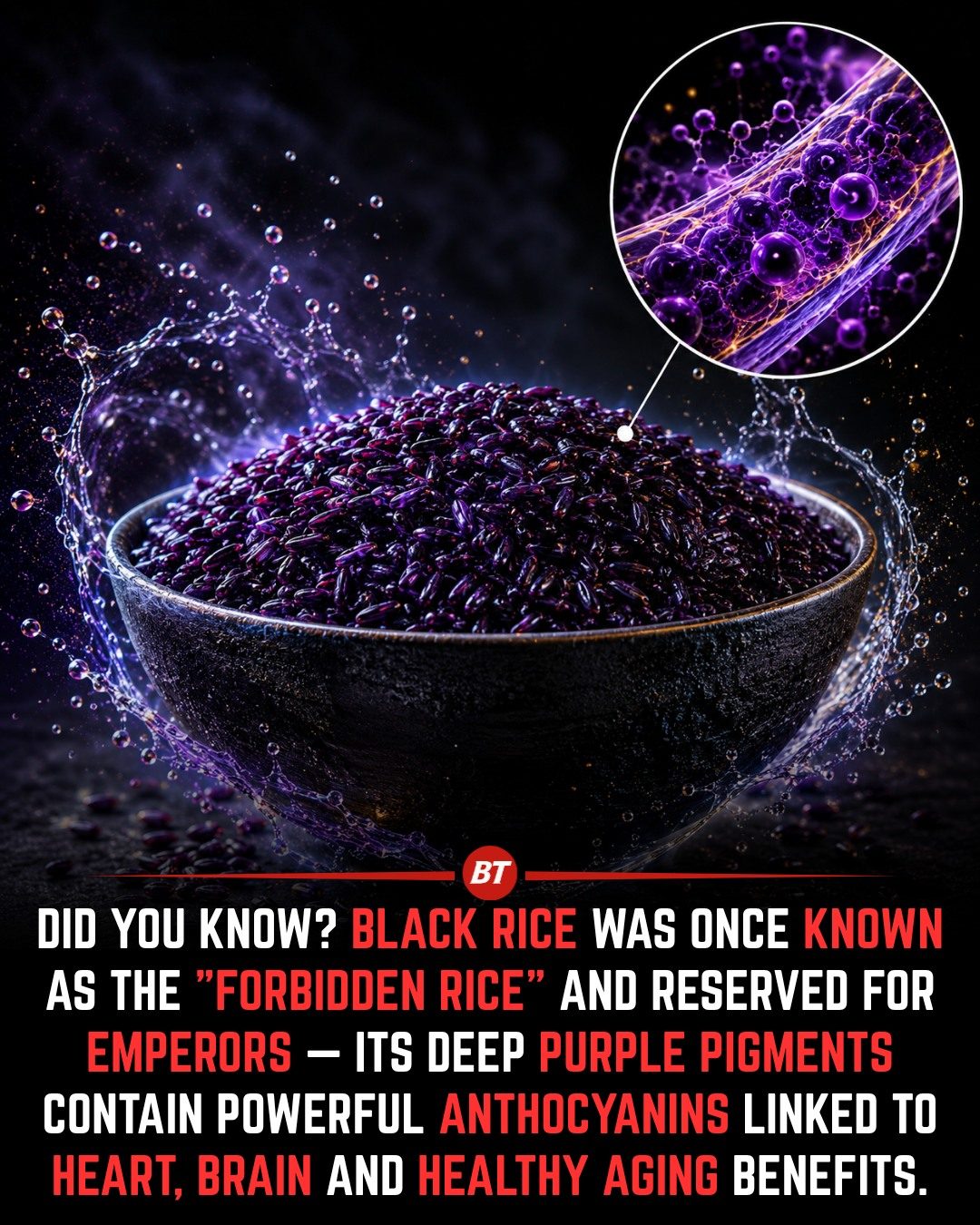
Black Rice
Black rice, with its striking purple-black hue, is more than just a unique addition to meals—it's a grain with a rich history and impressive nutritional benefits. Once reserved for emperors and royalty in ancient China, black rice, known as "forbidden rice," has a fascinating backstory and offers significant health benefits that make it a valuable addition to any diet.
Context: Why This Matters
Black rice, or forbidden rice, has evolved from a luxury item fit for royalty to a widely recognized superfood. This grain's deep purple color is not just visually appealing; it's a sign of its potent nutritional content. Understanding the history and benefits of black rice can help you make informed decisions about incorporating it into your diet.
Main discussion
The History of Black Rice
Black rice was once a rare and prized grain in ancient China. Its unique color and perceived nutritional value made it a delicacy reserved exclusively for emperors and royal families. While common people relied on white rice as a staple, black rice was considered a luxury, only accessible to the elite. This historical significance adds an intriguing layer to the grain's allure, making it more than just a food item—it's a piece of culinary history.
The Nutritional Power of Anthocyanins
The deep purple pigment of black rice is thanks to a group of antioxidants called anthocyanins. These powerful compounds are also found in other dark-colored fruits and vegetables like blueberries, blackberries, and purple sweet potatoes. What sets black rice apart is its high concentration of anthocyanins, making it one of the richest sources of these beneficial antioxidants among commonly consumed grains.
Anthocyanins have been extensively studied for their ability to help protect cells from oxidative stress, support healthy blood vessels, and promote healthy aging. These pigments are particularly interesting because they can cross into tissues throughout the body, including those involved in cardiovascular and cognitive health. By incorporating black rice into your diet, you can benefit from these protective compounds and support your overall well-being.
Beyond Antioxidants
Black rice’s nutritional benefits extend beyond its antioxidant properties. It also provides fiber, iron, protein, and beneficial plant compounds. Unlike white rice, which undergoes extensive processing that strips away many of its nutrients, black rice retains its outer bran layer. This layer is where many of its nutrients and protective compounds are concentrated, making black rice one of the most nutrient-dense rice varieties available.
Practical Tips
Incorporating black rice into your meals is easy and delicious. Here are some practical tips to get you started:
Cooking Black Rice
Cooking black rice is similar to cooking other types of rice. The general ratio is 1 cup of black rice to 2 cups of water, but you may need to adjust this based on your preferred texture. Remember to rinse the rice before cooking to remove any excess starch. Cooking times can vary, but typically, it takes around 30-40 minutes. Unlike some other grains, black rice does not require soaking before cooking.
Using Black Rice in Recipes
Black rice's slightly nutty flavor and deep purple color make it a versatile ingredient in a variety of dishes. Here are some ideas to inspire you:
- Grain Bowls: Use black rice as a base for grain bowls, topped with your favorite vegetables, proteins, and sauces.
- Stir-Fries: Incorporate black rice into stir-fries for added texture and nutrients.
- Soups and Stews: Add black rice to soups and stews for a hearty, nutritious meal.
- Side Dishes: Serve black rice as a side dish with roasted vegetables, grilled meats, or fish.
Important takeaways
Black rice is a nutrient-dense grain with a rich history and impressive health benefits. Its high concentration of anthocyanins, combined with its fiber, iron, and protein content, makes it a valuable addition to any diet. Whether you're looking to support heart health, cognitive function, or simply enjoy a delicious and nutritious meal, black rice is a versatile and flavorful choice.
Conclusion
From its royal past to its modern-day status as a superfood, black rice offers a unique blend of history and health benefits. By incorporating this nutritious grain into your meals, you can enjoy a taste of luxury while supporting your overall well-being. So, why not give black rice a try and experience the rich flavors and health benefits for yourself?
Watch the Reel
Questions readers ask
What makes black rice stand out from other types of rice?
Black rice, or forbidden rice, stands out due to its unique deep purple color, which is a result of its high concentration of anthocyanins. These pigments are powerful antioxidants that contribute to the grain's notable health benefits, setting it apart from other varieties like white rice.
Why is black rice often referred to as 'forbidden rice'?
The term 'forbidden rice' originates from ancient China, where black rice was so highly prized that it was reserved exclusively for emperors and royalty. Its rarity and desirable nutritional properties made it a symbol of status and luxury, earning it the name 'forbidden rice'.
What are the main health benefits of black rice?
Black rice is packed with health benefits, including its high antioxidant content, which helps combat oxidative stress and inflammation in the body. It is also rich in fiber, vitamins, and minerals, and has been linked to improved heart health, better blood sugar control, and potential anti-aging effects.
How does the nutritional content of black rice compare to white rice?
Black rice is significantly more nutritious than white rice. It contains more fiber, vitamins, and minerals, and has a lower glycemic index, which means it causes a slower and lower rise in blood sugar levels. Additionally, black rice's high concentration of anthocyanins provides powerful antioxidant benefits that white rice lacks.
Can eating black rice help with aging?
The antioxidants in black rice, particularly anthocyanins, have been shown to have anti-aging properties. These compounds help protect cells from damage, reduce inflammation, and may slow down the aging process at the cellular level, contributing to overall health and longevity.
How can I incorporate black rice into my diet?
Black rice can be used in a variety of dishes, much like other types of rice. You can use it as a base for stir-fries, in salads, or as a side dish. It can also be cooked and served similarly to other rice varieties, making it a versatile addition to your meals. Its unique color and flavor add an interesting twist to your cooking, making it a great choice for both health and culinary purposes.
Why is the color of black rice significant?
The deep purple color of black rice is indicative of its high concentration of anthocyanins, which are powerful antioxidants. These pigments not only give the grain its distinctive color but also contribute to its numerous health benefits, such as reducing inflammation, improving heart health, and potentially slowing down the aging process.
Related deep dives
Similar reads based on topic and creator.




Recent articles
Fresh deep dives from the latest Reels we unpacked.




Comments
Be the first to comment.