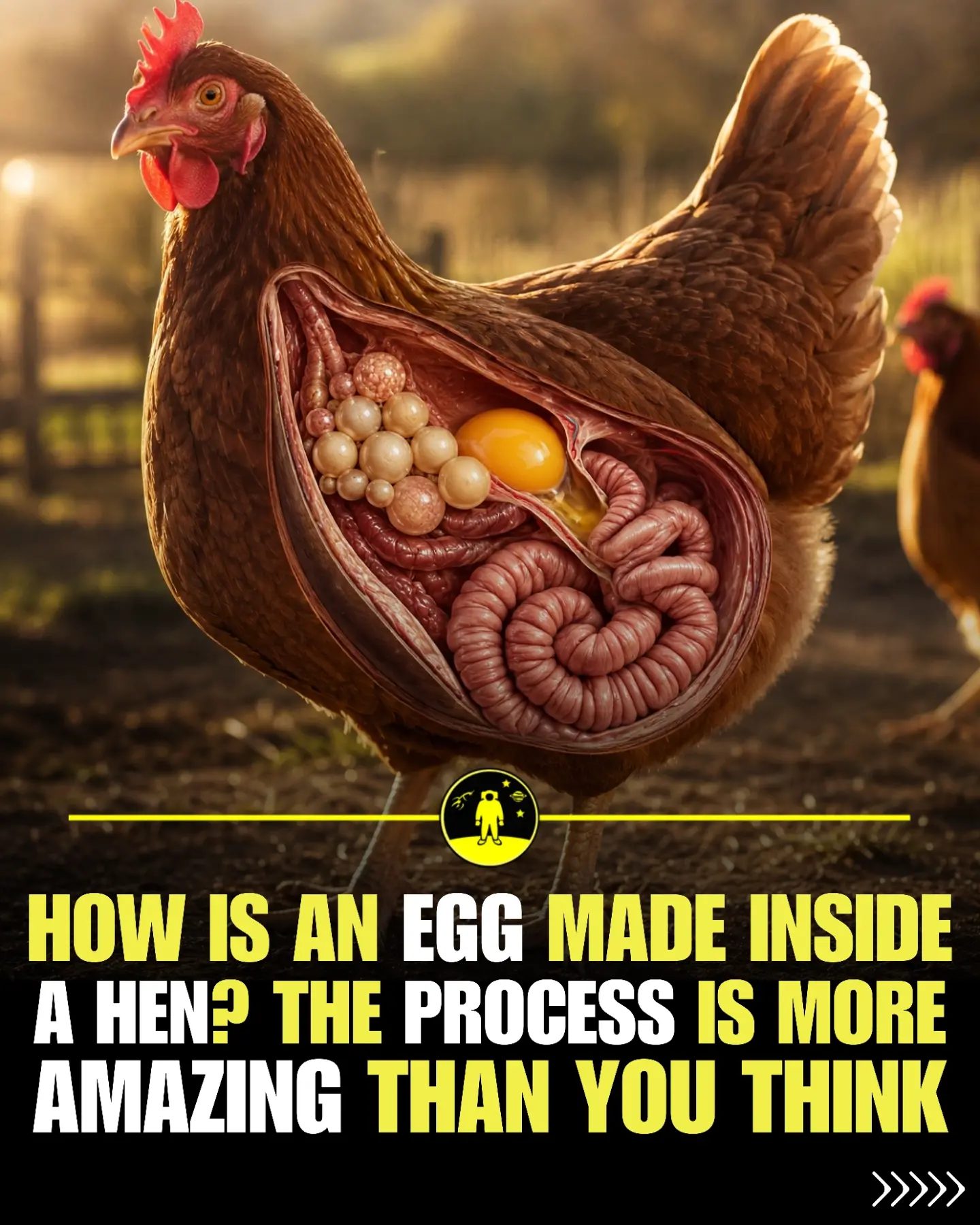
Egg Production Process
The ordinary breakfast staple, the egg, is a result of a fascinating biological process inside a hen. Let's explore the intricate journey of an egg from the moment it begins as a tiny yolk until it's ready to be laid.
Context / Why this matters
Understanding the process of egg production not only demystifies the journey of a staple in many diets but also highlights the biological marvels of poultry. This process has evolved over millions of years, showcasing nature's ingenuity in ensuring the survival and reproduction of species.
Main discussion
The Formation of an Egg
The journey of an egg starts in the hen's ovary, where a tiny yolk is released. This yolk, also known as the ovum, begins a 24-26 hour journey through the hen's reproductive tract. Here, it undergoes several transformations that ultimately result in a fully formed egg.
Layer by Layer
As the yolk travels through the reproductive tract, it accumulates layers of albumen, or egg white. The albumen is rich in proteins and water, providing a protective layer around the yolk and serving as a source of nutrients for the developing embryo. Over several hours, multiple layers of albumen are added, followed by a series of protective membranes.
The Mystery of the Shell
Finally, a hard shell, primarily composed of calcium carbonate, forms around the egg. This shell is crucial for the egg's protection and survival, safeguarding the developing embryo from external harm. Interestingly, the color of the shell—whether white, brown, blue, or green—depends on the breed of the hen and the natural pigments added just before the egg is laid.
The Role of the Rooster
Hens lay eggs naturally as part of their reproductive cycle. However, only eggs fertilized before the shell forms have the potential to develop into chicks under the right incubation conditions. This means that hens can lay eggs without the presence of a rooster, and those eggs will be unfertilized and, therefore, cannot develop into chicks.
Practical tips
Understanding Egg Labels
When it comes to purchasing eggs, it's essential to understand the labels. Terms like "free-range," "cage-free," and "organic" can provide insights into the conditions in which the hens were kept and the feed they consumed. These labels can help consumers make informed decisions about the quality and ethical considerations of their egg purchases.
Storing Eggs Properly
Proper storage of eggs is crucial to maintain their freshness and quality. Store eggs in the refrigerator as soon as possible after purchase, placing them in the designated egg compartment. This ensures that they are kept at a consistent, cool temperature, which helps to preserve their quality for a longer period.
Incorporating Eggs into a Balanced Diet
Eggs are a versatile and nutritious addition to a balanced diet. They are an excellent source of protein, vitamins, and minerals. Incorporating eggs into various meals can provide a range of nutritional benefits. Whether boiled, scrambled, or poached, eggs can be enjoyed in various dishes, from breakfast to dinner.
The Importance of Hen Health
The health and well-being of hens play a significant role in the quality of the eggs they produce. Ensuring that hens have access to a balanced diet, clean living conditions, and adequate space is essential for producing high-quality eggs. Supporting ethical farming practices can help ensure that the eggs you consume are produced under humane and sustainable conditions.
Important takeaways
Egg production is a fascinating and intricate process that involves several stages of development. From the formation of the yolk to the addition of layers of albumen and the creation of the protective shell, each step is crucial for the survival and reproduction of the species. Understanding this process can provide a deeper appreciation for the natural marvels that occur in the world around us.
Conclusion
The journey of an egg from its formation in the hen's ovary to its eventual laying is a biological marvel that showcases nature's ingenuity. Whether it's the addition of layers of albumen, the formation of the hard shell, or the role of the rooster in fertilization, each step in the process is a testament to the complexity and beauty of biological engineering. The next time you crack open an egg, remember that you're holding the result of an extraordinary process that has evolved over millions of years.
Watch the Reel
Questions readers ask
How does the egg formation process begin in hens?
The process starts in the hen's ovary, where a small yolk, or ovum, is released. This yolk is a crucial component of the egg and will eventually become the food source for a potential chick. The yolk's journey through the hen's reproductive tract marks the beginning of the egg formation process.
What happens to the yolk as it travels through the hen's reproductive tract?
As the yolk moves through the hen's oviduct, it accumulates various layers that will ultimately form the complete egg. These layers include the albumen (egg white), the membrane, and the shell, which provide protection and support for the developing embryo.
How long does it take for a hen to lay an egg after the yolk is released?
The entire process, from the release of the yolk to the laying of the egg, typically takes between 24 to 26 hours. This time allows for the ovum to accumulate its layers and form a fully developed egg ready for laying.
What triggers a hen to start the egg laying process?
Several factors can trigger a hen to start laying eggs, including the hen's age, egg production cycle and health. Hens typically begin laying eggs at around 18 to 22 weeks of age, and their productivity peaks during the spring and summer months when daylight hours are longer.
Why is the shell so important in the hen egg production process?
The shell serves multiple purposes in the egg production process. It protects the developing embryo, maintains the integrity of the egg's contents, and plays a role in the egg's structural support. The shell is primarily composed of calcium, which is essential for its strength and durability.
What influences the size and color of the eggs that hens lay?
The size of the egg typically corresponds to the size of the hen and the age of the hen. The color of the egg is determined by the breed of the hen. For example, white hens usually lay white eggs, while brown hens lay brown eggs. The color is influenced by the pigments in the hen's body.
What is the function of the different layers of an egg during its development inside the hen?
Each layer of the egg serves a specific purpose. The yolk provides nutrients for the developing chick, the albumen (egg white) offers additional nutrients and protection, the membrane acts as a barrier, and the shell provides structural support and protection. Together, these layers work to ensure the survival and development of the potential chick.
Recent articles
Fresh deep dives from the latest Reels we unpacked.




Comments
Be the first to comment.