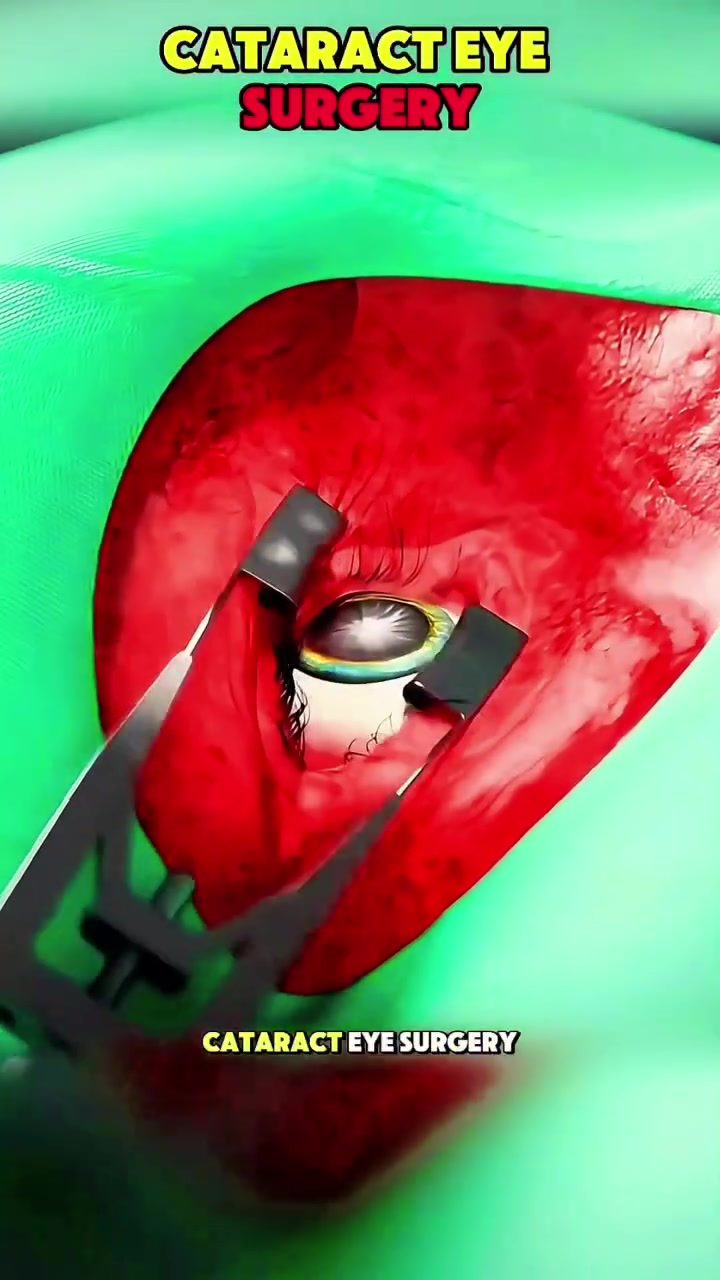
Cataract Eye Surgery
Cataract eye surgery is a common procedure to restore vision by replacing the clouded lens of the eye. It's one of the most frequently performed surgeries in the world, helping millions of people regain their sight each year. The process involves several key steps, from numbing the eye to inserting a new lens. Understanding these steps can demystify the procedure and alleviate any fears associated with it.
Why This Matters
Cataracts are a natural part of aging, affecting a significant portion of the population over 60. They cause blurry vision, difficulty seeing at night, and increased sensitivity to glare. Cataract surgery is the only effective treatment, making it a crucial procedure for maintaining quality of life. The surgery's success lies in its precision and efficiency, which continue to improve with advancements in medical technology.
Main Discussion
Preparation and Anesthesia
The process begins with preparing the eye for surgery. Topical anesthetic drops are administered to numb the eye, eliminating the need for needles or injections. This step ensures that the patient feels minimal discomfort throughout the procedure. The use of a tiny microscope allows the surgeon to make a super small incision, typically less than 3 millimeters in size. This precision is key to minimizing trauma to the eye and promoting faster healing.
Removing the Cloudy Lens
The most intricate part of the surgery involves removing the cloudy lens, which is responsible for the blurred vision. A specialized medical device uses ultrasound waves to break up the cloudy lens into tiny fragments. This technique, known as phacoemulsification, is both safe and highly effective. The fragments are then gently removed from the eye, clearing the way for the insertion of a new lens.
Inserting the Artificial Lens
Once the old lens is removed, a clear, artificial lens, known as an intraocular lens (IOL), is inserted in its place. The IOL is designed to restore vision by focusing light correctly onto the retina. The incision made earlier is so small that it usually heals on its own without the need for stitches. This self-sealing property of the cornea contributes to the procedure's rapid recovery time.
Healing and Recovery
The entire cataract eye surgery procedure typically takes around 10 to 15 minutes. Most people notice clearer vision within a few days, although full recovery may take a few weeks. Post-operative care includes avoiding strenuous activities and using prescribed eye drops to prevent infection and reduce inflammation. Regular follow-up appointments with the ophthalmologist ensure that the eye heals properly and that vision continues to improve.
Practical Tips
Choosing the Right IOL
One of the most important decisions in cataract surgery is selecting the type of intraocular lens (IOL). There are several options available, each with its own advantages:
- Monofocal IOLs: These are the most common type and provide clear vision at a single distance, usually for distance vision. Reading glasses may still be needed for near vision.
- Multifocal IOLs: Designed to provide clear vision at multiple distances, reducing the need for glasses.
- Toric IOLs: Correct astigmatism while also providing clear distance vision.
- Accommodating IOLs: Mimic the natural focusing ability of the eye, providing a range of vision.
Talking with your ophthalmologist about your lifestyle and visual needs can help determine the best IOL for you.
Post-Operative Care
Following the surgery, it's essential to adhere to the prescribed post-operative care instructions. This typically includes:
- Avoiding Heavy Lifting: Strenuous activities can increase intraocular pressure and affect healing.
- Wearing Protective Eyewear: Sunglasses or protective eye shields can shield the eye from injury and bright lights.
- Using Prescribed Eye Drops: These drops help prevent infection and reduce inflammation, promoting faster healing.
- Regular Follow-Ups: Attend all scheduled appointments to monitor your eye's recovery and ensure there are no complications.
Important Takeaways
Cataract eye surgery is a fast, precise, and life-changing procedure for millions of people every year. The use of ultrasound technology and advanced medical devices ensures a safe and effective treatment. Understanding the procedure's steps and following proper post-operative care can significantly improve the recovery process and overall outcome.
Conclusion
Cataract eye surgery is a highly effective solution for restoring vision impaired by cataracts. The procedure's efficiency and safety make it one of the most successful surgeries available. By knowing what to expect and following the right steps, patients can experience a smoother recovery and improved quality of life.
Watch the Reel
Questions readers ask
What are the initial steps of cataract surgery?
The procedure begins with numbing the eye using topical or local anesthesia to ensure the patient remains comfortable. Next, a small incision is made in the cornea, allowing access to the clouded lens. The surgeon then uses ultrasound energy to break up the clouded lens, a technique known as phacoemulsification.
How is the new lens inserted during cataract surgery?
After the clouded lens is removed, an intraocular lens (IOL) is inserted to replace it. The IOL is folded and inserted through the small incision, where it unfolds to provide clear vision. The incision is typically self-sealing and does not require stitches.
What can I expect during the recovery period after cataract surgery?
Recovery from cataract surgery is generally quick. Patients may experience mild discomfort and blurred vision immediately after the procedure, but these symptoms usually resolve within a few days. It's important to follow post-operative instructions, such as using prescribed eye drops and avoiding heavy lifting. Most people can resume normal activities within a day or two.
Are there different types of lens replacements available?
Yes, there are various types of intraocular lenses (IOLs) available to suit different visual needs. Monofocal lenses provide clear vision at a single distance, while multifocal or accommodating lenses can help with seeing at multiple distances. Toric lenses are designed for patients with astigmatism.
What benefits can I expect from cataract surgery?
Cataract surgery offers several benefits, including improved vision clarity, reduced glare, and better night vision. Many patients report a significant improvement in their overall quality of life, with enhanced ability to perform daily tasks, drive, and enjoy hobbies. The procedure is also known for its high success rate and quick recovery time.
Does cataract surgery treat age-related cataracts?
Yes, cataract surgery is the primary treatment for age-related cataracts. As we age, the lens of the eye can become cloudy, leading to blurred vision and other issues. By replacing the clouded lens with an artificial one, cataract surgery effectively addresses these age-related vision problems.
Recent articles
Fresh deep dives from the latest Reels we unpacked.




Comments
Be the first to comment.