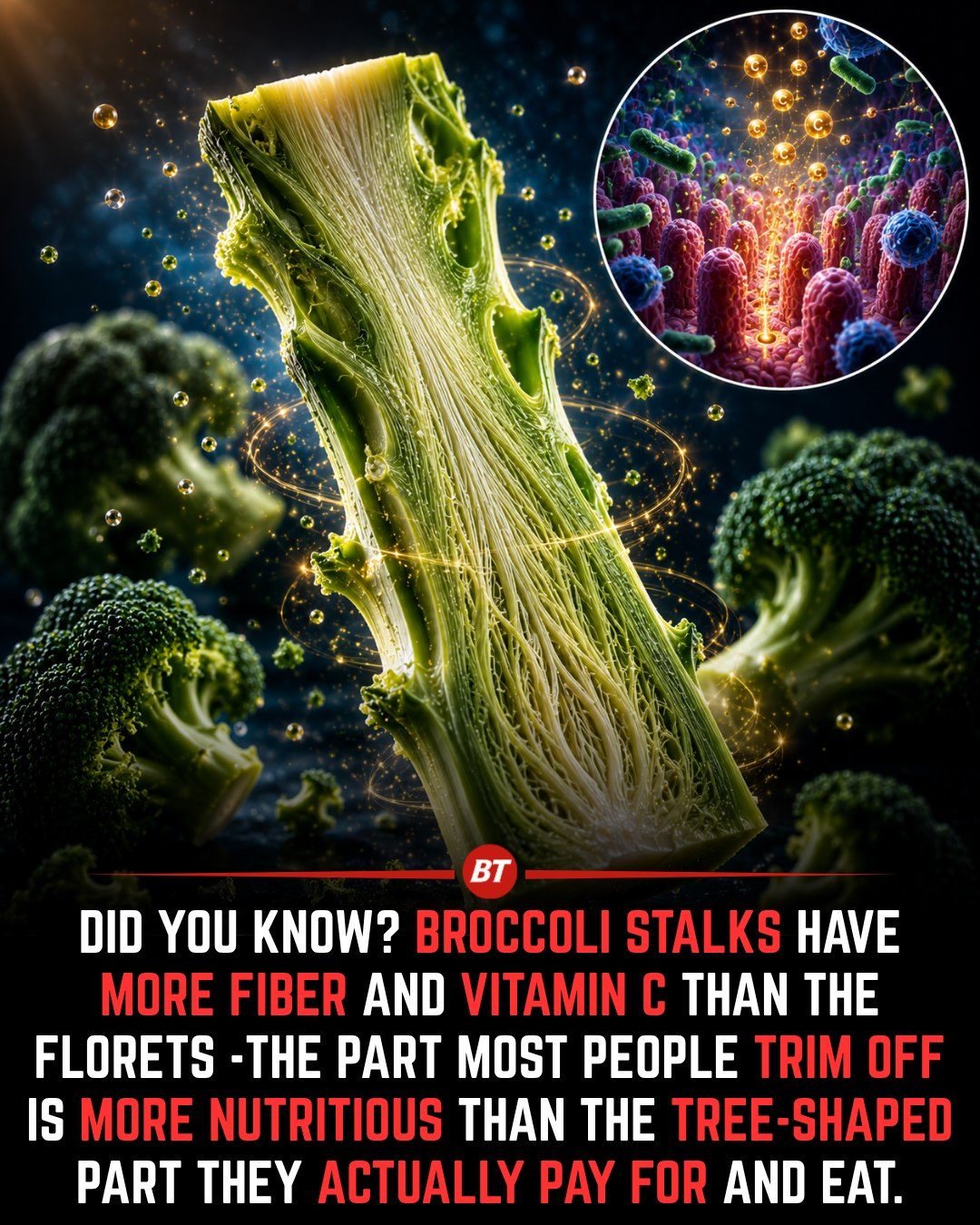
Broccoli Stalks: The Most Nutritious Part of the Vegetable You're Probably Throwing Away
Broccoli is a familiar sight in many kitchens, but few people realize that the part they typically discard—the stalk—is actually the most nutritious portion of the vegetable. This misconception leads many to miss out on a wealth of fiber, vitamins, minerals, and beneficial plant compounds.
Context / Why this matters
Broccoli is one of the most nutritious vegetables available, and its benefits extend beyond the florets. Recognizing the nutritional value of the entire broccoli plant, including the stalk, can enhance your diet and reduce food waste. By understanding the benefits of the stalk, you can make the most of this versatile vegetable and support overall health.
Main discussion
The Nutritional Powerhouse of Broccoli Stalks
Broccoli stalks are often overlooked, but they contain more dietary fiber and vitamin C than the florets. This makes them an excellent addition to your diet, especially for supporting digestion and boosting immune function. The stalk's higher fiber content aids in digestion and promotes a feeling of fullness, which can be beneficial for weight management. Additionally, the vitamin C in the stalk helps support the immune system and aids in the absorption of other nutrients, such as iron.
Broccoli's Nutritional Profile
Broccoli is rich in various vitamins and minerals, but the stalk stands out for its content of dietary fiber and vitamin C. Here’s a breakdown of the key nutrients found in broccoli:
-
Dietary Fiber: Essential for digestive health, fiber helps maintain a healthy gut microbiome and supports regular bowel movements. The stalk, in particular, is a great source of both soluble and insoluble fiber.
-
Vitamin C: Crucial for immune function and collagen production, vitamin C also acts as an antioxidant, helping to protect cells from damage.
-
Potassium: Important for heart health and blood pressure regulation, potassium is found in significant amounts in broccoli stalks.
-
Antioxidant Compounds: Broccoli is rich in compounds such as glucosinolates, which are converted into sulforaphane when the plant is chewed or chopped. Sulforaphane has been studied for its potential health benefits, including its antioxidant properties and role in supporting the body's natural defense systems against oxidative stress and inflammation.
Maximizing Nutritional Benefits
Using the entire broccoli plant helps you maximize its nutritional benefits. The stalk and the florets both contain valuable compounds, so discarding the stalk means missing out on a significant portion of the plant's health benefits. By incorporating both parts into your meals, you can enjoy a more comprehensive range of nutrients and flavors.
Culinary Versatility of Broccoli Stalks
Broccoli stalks have a slightly sweeter flavor and a satisfying crunch. Once peeled to remove the tough outer layer, the tender inside can be prepared in various ways:
-
Roasting: Peel and slice the stalk into thin rounds or sticks, then roast them alongside the florets for a delicious, crunchy side dish.
-
Stir-Frying: Add the peeled and sliced stalks to stir-fries for extra fiber and a pleasant texture.
-
Soups and Salads: Incorporate the stalks into soups or salads for added nutrition and crunch.
-
Spiralizing: Use a spiralizer to turn the stalks into broccoli noodles, which can be blended into soups or eaten raw with dips.
Practical tips
To make the most of broccoli, try the following steps to prepare and enjoy the stalks:
-
Peeling the Stalks: Use a vegetable peeler to remove the tough outer layer of the stalks. This reveals the tender, edible portion inside.
-
Slicing or Chopping: Cut the peeled stalks into thin rounds, sticks, or small pieces, depending on your recipe.
-
Cooking Methods: Experiment with different cooking methods, such as roasting, stir-frying, or steaming, to find your favorite way to enjoy the stalks.
-
Storage Tips: Store leftover broccoli stalks in the refrigerator for up to a week. Keep them in an airtight container with a damp paper towel to maintain freshness.
Important takeaways
-
Nutritional Benefits: Broccoli stalks are packed with fiber, vitamins, and minerals, making them a valuable addition to any diet.
-
Versatility in the Kitchen: With the right preparation, broccoli stalks can be used in a variety of dishes, from roasted sides to spiralized noodles and stir-fries.
-
Reducing Food Waste: Using the entire broccoli plant helps reduce food waste and ensures you get the most nutritional value from your purchase.
Conclusion
The next time you prepare broccoli, consider giving the stalks a starring role in your meal. Not only will you be making the most of the entire plant, but you'll also be enjoying a wealth of nutritional benefits. By incorporating broccoli stalks into your diet, you can support your health, reduce food waste, and add exciting new flavors and textures to your meals.
Watch the Reel
Questions readers ask
What are the key nutrients found in broccoli stalks?
Broccoli stalks are rich in dietary fiber, which aids in digestion, and vitamin C, which supports a healthy immune system. They also contain various minerals and beneficial plant compounds that contribute to overall health.
How can I incorporate broccoli stalks into my diet?
Broccoli stalks can be used in a variety of dishes, such as stir-fries, soups, and salads. To prepare, peel the tough outer layer, slice the stalk into bite-sized pieces, and cook as desired. You can also make raw broccoli stalk slivers for a crunchy, nutritious snack.
Are broccoli stalks more nutritious than the florets?
Broccoli stalks and florets offer different nutritional profiles. Stalks are higher in fiber and some minerals, while florets contain more vitamin C and certain antioxidants. Including both in your diet ensures you get a broader range of nutrients.
How do broccoli stalks contribute to reducing food waste?
Many people discard broccoli stalks, which can lead to unnecessary food waste. By utilizing the stalks in meals, you can make the most of the entire vegetable, reducing waste and saving money. Plus, you'll gain the nutritional benefits of the stalks.
How much fiber is in broccoli stalks?
Broccoli stalks contain about 2.6 grams of fiber per 100 grams, which is more than the florets. Fiber is essential for maintaining good digestive health and promoting a feeling of fullness, which can aid in weight management.
Can broccoli stalks be eaten raw?
Yes, broccoli stalks can be eaten raw. To make them more palatable, peel the tough outer skin and slice them into thin strips. Raw broccoli stalks can add a satisfying crunch to salads and can be paired with dips as a healthy snack.
Related deep dives
Similar reads based on topic and creator.




Recent articles
Fresh deep dives from the latest Reels we unpacked.




Comments
Be the first to comment.