Orange Peel Uses
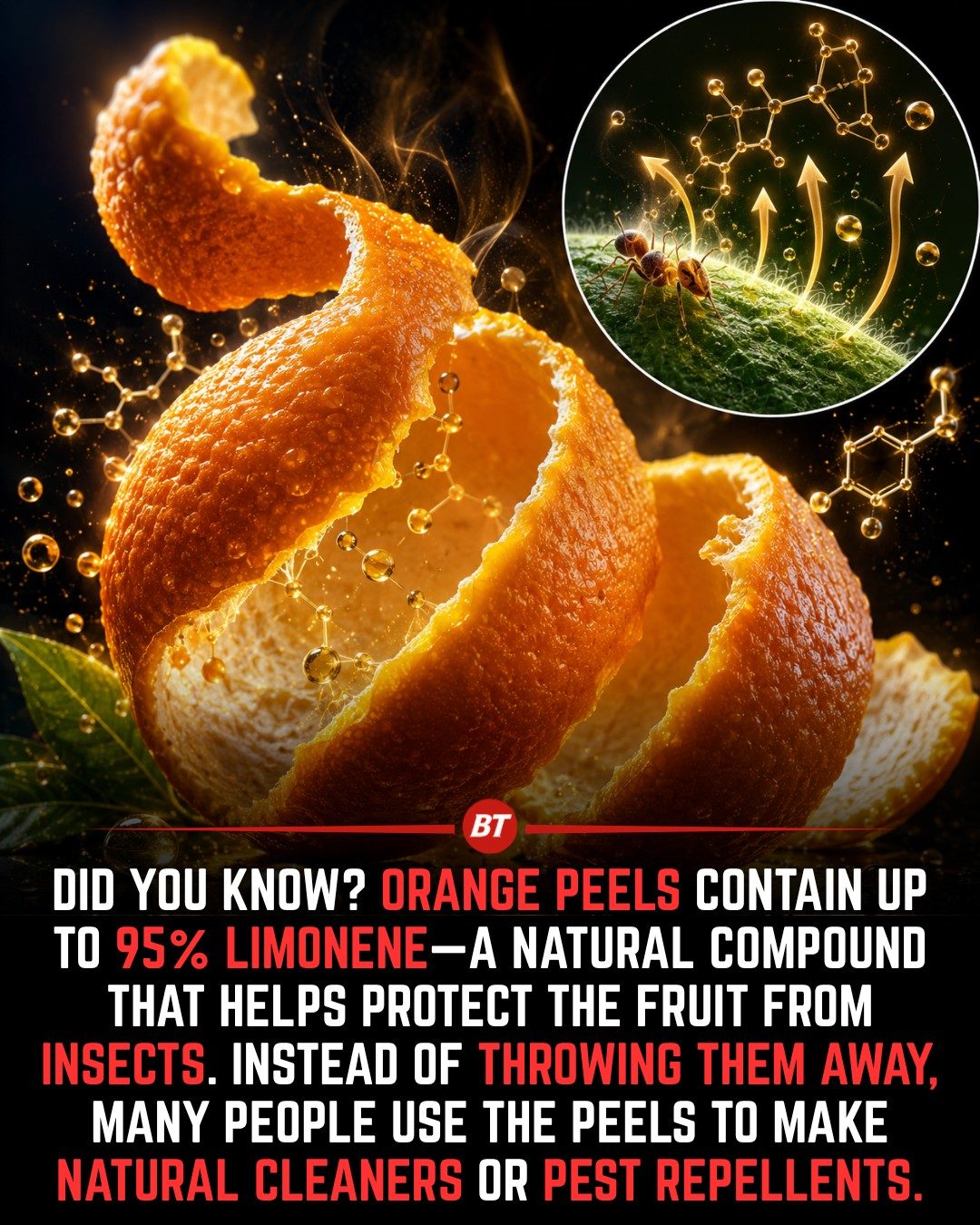
Orange peels are often discarded after extracting the juicy fruit inside, but they are a treasure trove of useful compounds, particularly limonene. This natural citrus compound not only gives oranges their signature aroma but also serves as a powerful defense mechanism against insects and environmental stressors.
Context / Why this matters
Limonene makes up a significant portion of the essential oil found in orange peels. In fact, it can constitute up to 95% of this essential oil. This compound is crucial for the fruit's natural defense system, helping to repel insects and protect the peel from environmental damage. Beyond its natural role, limonene has found applications in various household products due to its potent properties.
Main discussion
The Versatility of Limonene
The powerful properties of limonene make it a valuable ingredient in natural cleaners, degreasers, and pest repellents. This compound’s effectiveness in repelling insects and breaking down grease has made it a popular choice for environmentally friendly household products. Its natural origins make it a safer alternative to harsh chemical cleaners, which can be harmful to both humans and the environment.
Health Benefits of Orange Peels
While most people focus on the juicy flesh of the orange, the peel contains a wealth of beneficial compounds. Orange peels are rich in pectin, a soluble fiber that supports gut health, and flavonoids such as hesperidin. Hesperidin has been studied for its potential role in supporting healthy blood vessels and circulation. These compounds, along with the antioxidant, anti-inflammatory, and antimicrobial properties of limonene, make orange peels a valuable addition to a healthy diet.
Using Orange Peels at Home
Orange peels can be repurposed in various ways around the home. Simmering the peels with water, cinnamon sticks, and cloves can naturally freshen your home with a pleasant citrus aroma. For a natural household cleaner, soak the peels in white vinegar for 2–3 weeks to create a citrus-infused solution. This cleaner can be used to degrease surfaces and repel pests, making it a versatile and eco-friendly option.
A 2023 review published in Molecules highlighted the antioxidant, anti-inflammatory, and antimicrobial properties of limonene. Although researchers are still investigating how these findings translate into long-term health benefits in humans, the initial results are promising. Incorporating orange peels into your diet and household routines can offer a range of benefits, from improving gut health to creating effective natural cleaners.
Health Considerations
When using orange peels, it's important to consider potential residues. Orange peels may carry waxes or pesticide residues, so it's best to wash them thoroughly before using them in recipes or around the home. Choosing organic oranges can also help reduce unwanted residues, making the peels safer to consume.
Practical tips
-
Simmer for Freshness: To naturally freshen your home, simmer orange peels with water, cinnamon sticks, and cloves. This mixture will fill your space with a refreshing citrus scent.
-
Create a Natural Cleaner: Soak orange peels in white vinegar for 2–3 weeks to make a citrus-infused natural household cleaner. This solution can be used to degrease surfaces and repel pests.
-
Wash Thoroughly: Always wash orange peels thoroughly to remove any waxes or pesticide residues. If you plan to consume the peel or use it in recipes, consider choosing organic oranges to reduce residue exposure.
-
Incorporate into Recipes: Add orange peel to your favorite recipes to boost their nutritional content. The peel contains pectin and flavonoids that support gut health and circulation.
Important takeaways
- Limonene, a natural citrus compound, makes up a significant portion of the essential oil in orange peels.
- Orange peels contain valuable compounds like pectin and flavonoids that support gut health and circulation.
- Limonene has powerful properties that make it effective in natural cleaners, degreasers, and pest repellents.
- Orange peels can be repurposed in various ways around the home, such as simmering for freshness or soaking in vinegar for a natural cleaner.
Conclusion
Orange peels are more than just a discarding after extracting the fruit. They are a rich source of beneficial compounds like limonene, pectin, and flavonoids. By incorporating orange peels into your daily routines and recipes, you can enjoy a range of health benefits and create effective natural household products. The next time you peal an orange, consider the many uses of the peel and give it a new purpose in your home.
Watch the Reel
Questions readers ask
What are the primary benefits of using orange peels for cleaning?
Orange peels contain limonene, which is a natural solvent. It can cut through grease and grime and leaves behind a fresh citrus scent. Additionally, orange peels are gentle on surfaces, making them a great option for natural home cleaners.
How can I use orange peels for pest control?
Orange peels act as a natural insect repellent due to the limonene content. You can use them to deter pests like ants, cockroaches, and even rodents. Place dried orange peels or orange peel infused water in areas where pests are a problem to help keep them at bay.
What is limonene and why is it beneficial?
Limonene is a natural compound found in orange peels. It is a powerful natural solvent, and also has insect-repellent properties. Additionally, it is known to have various health benefits, including antioxidant and anti-inflammatory properties.
Can orange peels be used for health purposes?
Yes, orange peels have several health benefits. They are rich in vitamin C, antioxidants, and fiber. Orange peels can be used in teas, smoothies, or even as a zest in recipes to enhance the nutritional content of meals. Additionally, the essential oil in orange peels, high in limonene, is used in aromatherapy for its mood-enhancing properties.
What is an easy orange peel cleaning hack for my home?
You can create a simple and effective home cleaner by steeping orange peels in vinegar for a few weeks, then straining the mixture. The resulting liquid can be used for various cleaning tasks. Spray it on surfaces, let it sit for a few minutes, and wipe clean. The solution will leave behind a fresh, citrus scent.
How can I make a natural insect repellent using orange peels?
To create a natural insect repellent, blend dried orange peels with water and strain the mixture. You can then spray this solution around your home or on your skin, though be aware that it may cause irritation. Additionally, you can place whole orange peels in areas where insects are a problem, such as near windows or doors.
Are there any orange peel cleaning recipes that are tough on dirt but gentle on surfaces?
Yes, orange peels are great for creating natural cleaning recipes. One simple recipe involves mixing orange peel-infused vinegar with water and a bit of Castile soap. This mixture can be used for cleaning kitchen countertops, cutting boards, and other surfaces. The limonene in the peels helps to break down oils and grease, while the vinegar acts as a natural disinfectant.
Related deep dives
Similar reads based on topic and creator.




Recent articles
Fresh deep dives from the latest Reels we unpacked.




Comments
Be the first to comment.