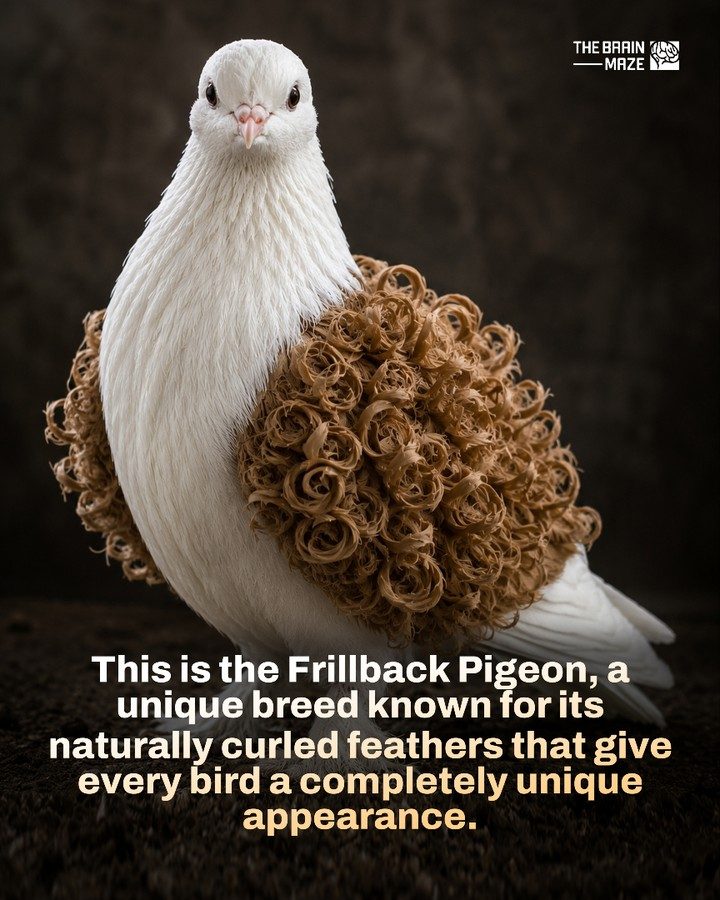
Frillback Pigeons
The Frillback Pigeon is a unique and captivating breed, celebrated for its distinctive and naturally curled feathers. These feathers form soft, spiral-like patterns, giving each bird a sculpted and elegant appearance that sets it apart from other pigeons.
Why This Matters
The Frillback Pigeon's unique feather texture is not just a visual curiosity; it's a testament to the diversity and beauty of avian species. Understanding this breed offers insights into the fascinating world of pigeon genetics and the incredible variety of bird appearances.
Understanding Frillback Pigeons
The Unique Appearance
The most striking feature of the Frillback Pigeon is its feathers. Unlike ordinary pigeons, each Frillback Pigeon has a unique feather texture that forms intricate, spiral-like patterns. These patterns are naturally occurring and vary from bird to bird, making each Frillback Pigeon immediately recognizable and visually stunning.
Feather Formation
The curled feathers are a result of a genetic mutation that affects the feather structure. This mutation causes the feathers to grow in a tightly curled manner, creating the distinctive appearance. The feathers are not just curled; they are soft and form a delicate, almost ethereal pattern, which adds to the bird's appeal.
Breeding and Care
Breeding Practices
Breeding Frillback Pigeons requires careful selection and an understanding of genetics. Breeders aim to maintain the unique feather trait while ensuring the health and well-being of the birds. Selective breeding can help enhance the feather pattern and overall appearance, making the birds more desirable in shows and exhibitions.
Health and Lifespan
Like other pigeons, Frillback Pigeons are generally hardy birds. Their lifespan can vary, but with proper care, they can live for several years. Regular vet check-ups, a balanced diet, and a clean living environment are essential for maintaining their health. Given their distinctive feathers, extra care should be taken to ensure they do not get entangled or damaged.
Practical Tips for Keeping Frillback Pigeons
Housing
Frillback Pigeons need a spacious and clean environment to thrive. A well-ventilated loft with perches and nesting boxes is ideal. The housing should be secure to protect the birds from predators and the elements. Regular cleaning is essential to prevent the buildup of waste and ensure good hygiene.
Diet and Nutrition
A balanced diet is crucial for the health of Frillback Pigeons. They should be fed a mix of grains, seeds, and fresh greens. Supplements like vitamins and minerals can also be added to their diet to support their overall health. Fresh water should always be available, and the feeding area should be kept clean to prevent contamination.
Grooming
Regular grooming is necessary to maintain the health and appearance of the Frillback Pigeon's unique feathers. Gentle brushing can help remove any debris or tangles. Special attention should be given to the feathers during molting periods, as they may require additional care to prevent damage.
Important Takeaways
- Distinctive Features: Frillback Pigeons are known for their naturally curled feathers that form unique patterns.
- Genetic Variation: Each bird has a unique feather texture, making them easily recognizable.
- Care Requirements: Proper housing, diet, and grooming are essential for maintaining their health and appearance.
- Breeding: Selective breeding plays a crucial role in enhancing their unique features.
Conclusion
The Frillback Pigeon stands out as a remarkable and extraordinary breed, admired for its naturally curled feathers and elegant appearance. Understanding and appreciating this unique pigeon breed provides a deeper insight into the marvels of avian genetics and the diversity of bird species. Whether you are a pigeon enthusiast, a breeder, or simply someone who appreciates natural beauty, the Frillback Pigeon is a fascinating subject to explore and cherish.
Watch the Reel
Questions readers ask
What causes the unique feather pattern in Frillback Pigeons?
The distinctive curled feathers of Frillback Pigeons are due to a specific genetic mutation. This mutation affects the feather structure, causing them to curl and form intricate, spiral patterns. This trait is what sets Frillback Pigeons apart from other pigeon breeds.
Are all Frillback Pigeons' feathers the same?
No, each Frillback Pigeon has a unique feather pattern. The way the feathers curl and form spirals can vary from bird to bird, making each one distinct. This variation adds to the overall elegance and allure of the breed.
How should I care for a Frillback Pigeon's unique feathers?
Frillback Pigeons require special care to maintain their distinctive feathers. Regular grooming is essential to prevent matting and to keep the feathers in good condition. Additionally, providing a balanced diet can help ensure the health and vitality of their unique plumage.
Can Frillback Pigeons fly with their curled feathers?
Yes, Frillback Pigeons can fly despite their curled feathers. While their feathers are uniquely textured, they are still functional for flight. The feathers do not hinder their ability to maneuver in the air, although their flight pattern may appear different from that of other pigeons.
Are there other pigeon breeds with similar feather patterns?
There are a few pigeon breeds that have unique feather textures, but the Frillback Pigeon's curled feathers are particularly distinctive. Breeds like the Jacobin and the Owl Pigeon have crested or ruffled feathers, but the spiral patterns of the Frillback are one-of-a-kind. The Frillback's specific feather pattern is a testament to the vast diversity among pigeon breeds.
How do Frillback Pigeons contribute to the understanding of pigeon genetics?
The unique feather pattern of Frillback Pigeons offers insights into the genetic factors that influence feather development in birds. By studying this breed, researchers can learn more about the mechanisms behind feather growth and the potential for genetic mutations to create diverse and unique bird appearances.
Can Frillback Pigeons be kept as pets?
Yes, Frillback Pigeons can make great pets. They are known for their gentle nature and striking appearance. However, potential owners should be prepared for the specific care requirements of their unique feathers. With the right care and attention, Frillback Pigeons can thrive as beloved companions.
Recent articles
Fresh deep dives from the latest Reels we unpacked.




Comments
Be the first to comment.