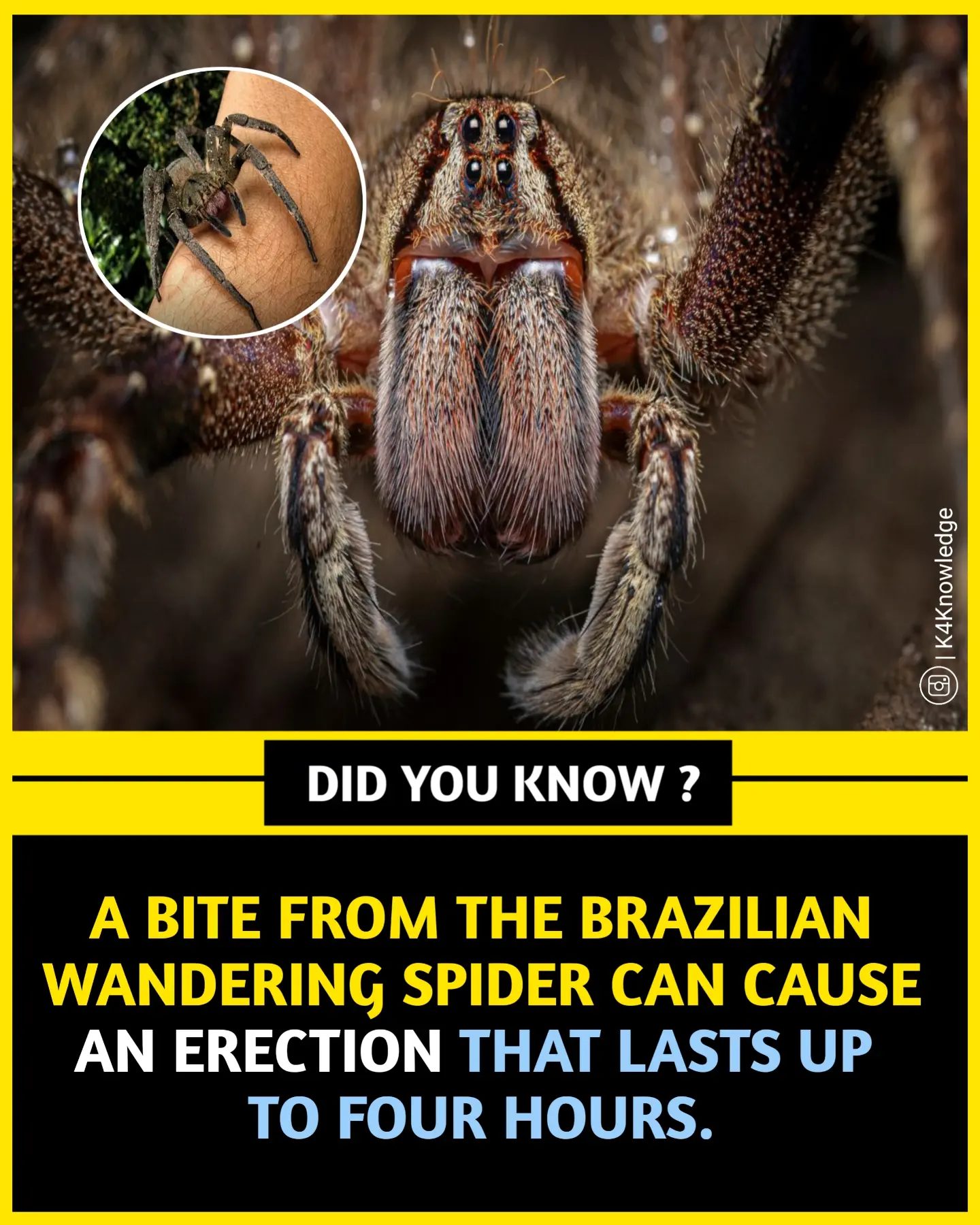
Brazilian Wandering Spider Facts
The Brazilian wandering spider, scientifically known as Phoneutria nigriventer, is renowned for its potent venom and distinctive effects on the human body. Among these effects, one of the most unusual and often discussed is the potential for a bite to cause prolonged and painful erections.
Why This Matters
Understanding the Brazilian wandering spider is crucial for several reasons. Firstly, it is one of the most venomous spiders in the world, and its bite can have severe health implications. Secondly, the unique effects of its venom on the body have attracted significant scientific interest, potentially leading to future medical advancements. Lastly, knowing about this spider can help prevent accidents and ensure proper medical treatment if a bite occurs.
The Brazilian Wandering Spider
Identification and Habitat
The Brazilian wandering spider is native to Central and South America, particularly in the rainforests of Brazil. These spiders are known for their large size and long, wandering nature. The wandering spider is a type of hunting spider with a distinct pattern on its back, which consists of a large, dark stripe running from the head to the abdomen.
Venom and its Effects
The Brazilian wandering spider's venom is composed of powerful neurotoxins that affect the nervous system and blood vessels. The venom contains various components, including toxins that affect serotonin and nitric oxide pathways, leading to changes in blood flow and nerve function.
Prolonged Erections and Medical Implications
Mechanism of Action
In rare cases, a bite from a Brazilian wandering spider can cause priapism, a condition characterized by a prolonged, often painful erection lasting several hours. Research indicates that certain toxins in the spider's venom interact with nitric oxide pathways, which regulate blood flow in the body, including the genitals. This interaction can lead to an increase in nitric oxide signalling, resulting in prolonged erections.
Medical Research and Potential Treatments
While priapism is a medical emergency and not a benefit, the unique effects of the spider's venom have sparked interest in the scientific community. Researchers have studied the venom's components to understand their potential therapeutic applications. For example, the venom's ability to affect nitric oxide pathways has been explored as a potential source for future erectile dysfunction treatments. The venom could be a source of new compounds that can help manage conditions related to blood flow and nerve function.
Immediate Medical Attention is Essential
It's important to note that a bite from a Brazilian wandering spider can also cause severe symptoms such as pain, sweating, rapid heart rate, high blood pressure, and breathing difficulties. These symptoms require immediate medical attention. Additionally, any prolonged erection lasting four hours or more, regardless of the cause, is considered a medical emergency and should be treated promptly to prevent tissue damage and other complications.
Practical Tips for Prevention and Treatment
Prevention
Prevention is key when dealing with potentially dangerous wildlife. Here are some practical tips to avoid encounters with Brazilian wandering spiders:
- Stay Alert: When in areas where these spiders are known to inhabit, be mindful of your surroundings. Avoid walking barefoot or in open-toed shoes.
- Inspect Your Environment: Regularly check your living space, especially if you are in a rural or woodland area. Look under rocks, in dark corners, and inside shoes or clothing.
- Use Protective Clothing: Wear gloves and long sleeves when handling objects that may be hiding places for spiders.
Treatment
If you suspect a bite from a Brazilian wandering spider, follow these steps:
- Seek Immediate Medical Care: Do not wait for symptoms to worsen.
- Stabilize the Patient: If possible, keep the patient calm and still to minimize the spread of the venom.
- Monitor Symptoms: Note any changes in the patient's condition, such as increased heart rate, breathing difficulties, or severe pain.
- Administer First Aid: Applying a cold compress to the bite area can help alleviate pain and swelling. Avoid using a tourniquet as it can cause tissue damage.
Important Takeaways
- Venom Composition: The venom of the Brazilian wandering spider contains powerful neurotoxins that affect the nervous system and blood vessels.
- Medical Emergency: A bite can cause severe symptoms and requires immediate medical attention. Priapism, or a prolonged erection, is a medical emergency.
- Scientific Interest: The unique effects of the venom on nitric oxide pathways have sparked scientific interest in potential medical applications.
Conclusion
The Brazilian wandering spider is a fascinating and potentially dangerous species. Its potent venom and unusual effects on the body have attracted significant scientific interest, offering potential insights into future medical treatments. Understanding this spider, its venom, and the proper steps to take in case of a bite is essential for anyone living in or visiting areas where these spiders are found. Always prioritize safety and seek immediate medical attention if a bite occurs.
Watch the Reel
Questions readers ask
What are the immediate symptoms of a Brazilian wandering spider bite?
The bite from a Brazilian wandering spider can cause immediate and severe symptoms. These include intense pain, sweating, and a rapid increase in blood pressure. In some cases, the venom can also lead to breathing difficulties and severe reactions like priapism, which is a prolonged and painful erection.
What makes the Brazilian wandering spider's venom unique?
The venom of the Brazilian wandering spider is unique due to its potent effects on the human body. It contains various toxins, including one that affects the nervous system, leading to symptoms like priapism. This is caused by the release of nitric oxide, a compound that relaxes smooth muscles, including those in the penis. The venom's specific effects have made it a subject of interest in medical research, as understanding these effects could lead to new treatments for conditions like erectile dysfunction and other medical issues.
How can I prevent a bite from a Brazilian wandering spider?
To prevent a bite from a Brazilian wandering spider, it's important to be aware of its habitats and behaviors. These spiders are often found in tropical and subtropical regions of Central and South America. They prefer humid environments and can be found in dark, damp places like banana plantations, under rocks, or in piles of wood. When in these areas, wear protective clothing, use insect repellent, and be cautious when handling objects where the spider might hide.
What should I do if I am bitten by a Brazilian wandering spider?
If bitten by a Brazilian wandering spider, seek immediate medical attention. Apply a pressure immobilisation bandage if possible, and keep the affected area below heart level, which may help slow the spread of the venom. Do not attempt to suck out the venom, as this can introduce bacteria into the wound. Remember, rapid treatment is crucial as the venom can cause serious health issues.
Why is the Brazilian wandering spider of interest to medical researchers?
The Brazilian wandering spider is of interest to medical researchers due to the unique effects of its venom. The venom's ability to cause priapism has led to studies on the role of nitric oxide in the body. Researchers are exploring how the venom's effects on the nervous system and smooth muscles could be harnessed for new medical treatments. Understanding the venom's components and their mechanisms could lead to advancements in treating various medical conditions.
Is the Brazilian wandering spider the most venomous spider in the world?
The Brazilian wandering spider is certainly one of the most venomous spiders in the world, but whether it is the most venomous can depend on the criteria used for comparison. Its venom is particularly potent, and its bites can cause severe symptoms. However, other spiders, like the Sydney funnel-web spider, are also considered highly venomous and dangerous. It's important to be cautious around any spider species, especially those known for their potent venom.
Related deep dives
Similar reads based on topic and creator.


Recent articles
Fresh deep dives from the latest Reels we unpacked.




Comments
Be the first to comment.