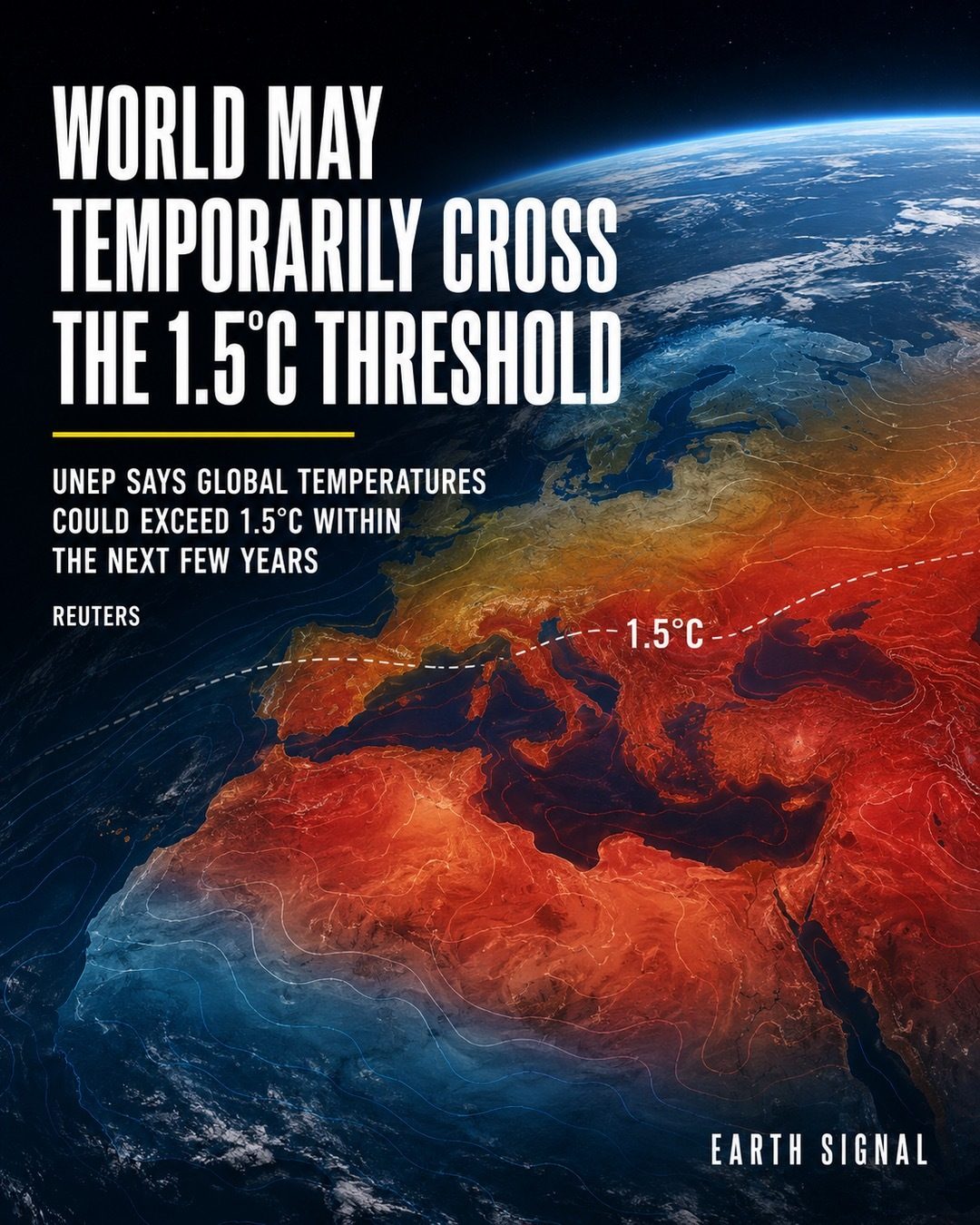
The alarming 1.5°C threshold
Global temperatures are predicted to momentarily surpass the 1.5°C limit in the near future. The United Nations Environment Programme has underscored the immediacy of this potential event. This isn't the first time the UN has sounded the climate alarm; however this is the most urgent sense of immediacy. The implications could take many forms, potentially including violent storms, a rise in sea levels, and extended periods of drought. The focus of the UNEP warning is Europe, which is generally understood to be more prepared than other regions. Even a short term exceeding of the 1.5˚C threshold might disrupt local agriculture in as little as two years. This is not merely a theoretical scenario. According to UNEP, "The world should be preparing for the possibility that the temperature will temporarily exceed 1.5°C by as much as 1.5°C within the next few years." The United Nations environment program have stated that this is the most pressing climate alarm ever given. Researchers have consistently warned of the dangers of surpassing the 1.5°C threshold. The World Meteorological Organization has warned of similar potential scenarios. However, these are the same scientists who say that the threshold won't be permanently breached before at least 2030. If the global temperatures exceed 1.5°C for a prolonged period, the damage to ecosystems and human societies could be irreversible.
Europe's looming climate crisis
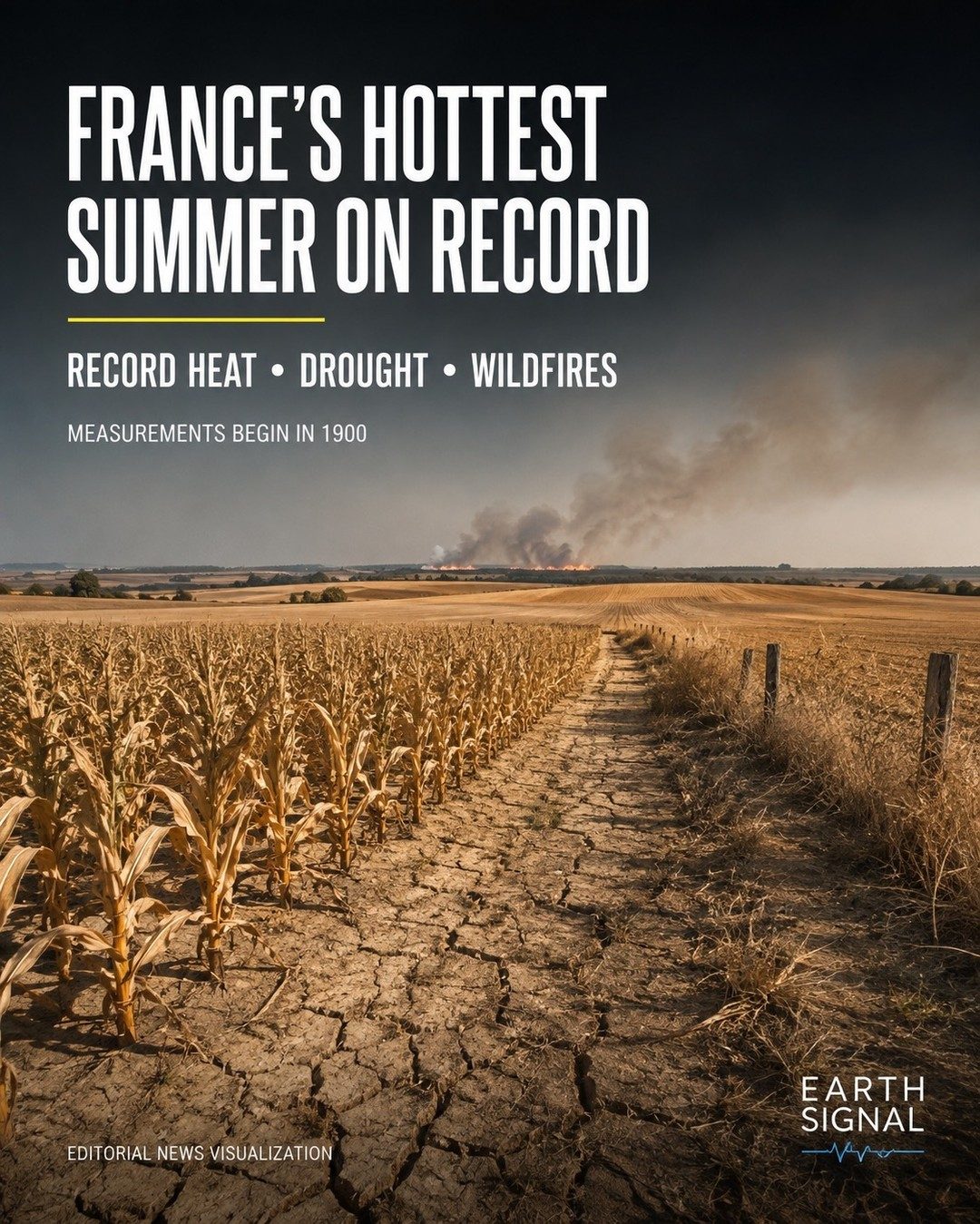
Europe is expected to experience serious effects. The UN highlighted the need for Europe to adapt and mitigate the potential consequences. "The effects will not be confined to the European continent," said said the UN in one of their reports in the past year. In agricultural sectors, the effects might be especially severe. If the temperatures exceed the 1.5°C threshold on such an abrupt basis, the European landscape might see "irregular rainfall patterns, increased heatwaves, and shifting growing seasons." Even a temporary increase in temperatures could spell disaster for farmers who rely on predictable weather patterns. The 1.5°C target was originally set by the Paris Agreement as a goal for the end of the century. However, the UNEP has warned this might be exceeded well before 2100. Europe is one of the best prepared regions for the effects of climate change, but the alarming disparity between prepared and unprepared regions illustrates the severity of the situation.
Unmitigated temperature rise
Scientists are especially concerned about the pace the changes are happening. The Paris targets of 2050 might not be enough to prevent the temporary increase in temperatures this decade. Europe is one of the regions most ready and able to adapt to climate changes, but the UNEP has warned "there's an urgent need for adaptation and mitigation strategies to be scaled up globally." Atmospheric carbon levels continue to rise, and the global temperature has already increased by approximately 1.1°C since pre-industrial times. This acceleration could lead to a scenario where the threshold is exceeded. The current rate of sea level rise has doubled in the past 30 years. This is evidence that accelerating climate change could push global temperatures beyond the 1.5°C threshold. Further environmental stress on the delicate ecosystems of Europe will likely devastate wildlife and agriculture, and impact communities who rely on these systems. Despite these warnings, the rise in global carbon emissions may not have a significant impact. "If the world could significantly reduce greenhouse gas emissions, the 1.5°C threshold might not be permanent."
UNESCO's urgent call to action
Scientists are clear. There's an urgent need to reduce emissions. The UNEP has warned that global cooperation is needed to mitigate the effects of climate change. Even if Europe adapts and mitigates, the rest of the globe will not. The fact remains the UNEP prediction is not new, but the blunt force of it sends a signal to the world. "The world already has 1.1°C of temperature increase, the UNEP wants everyone to understand they've only got so much time to prevent further increase.
Watch the Reel
Related deep dives
Similar reads based on topic and creator.
Recent articles
Fresh deep dives from the latest Reels we unpacked.




Comments
Be the first to comment.