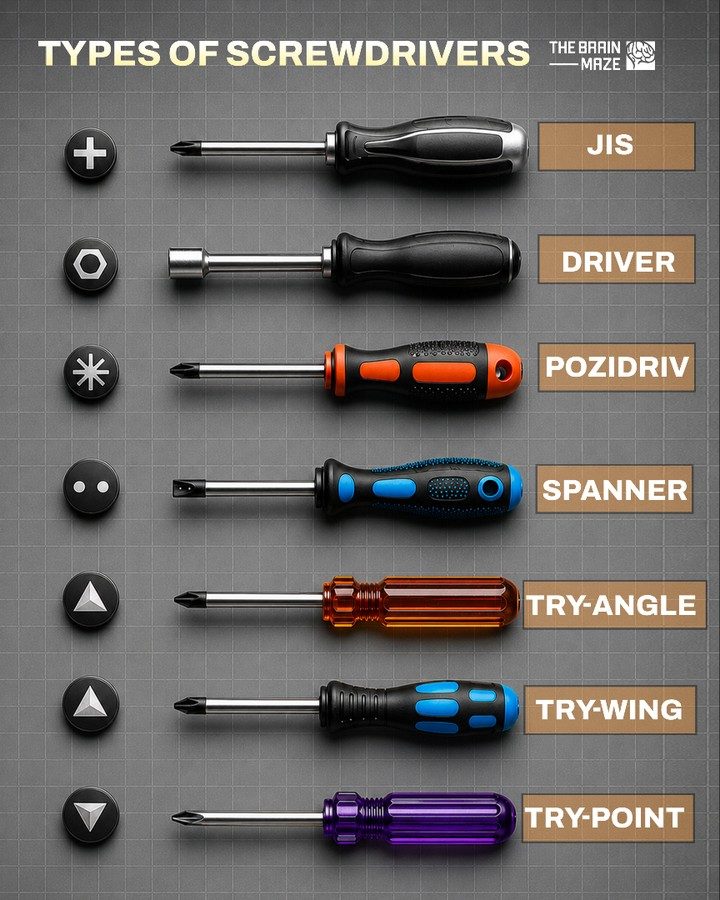
Types of Screwdrivers
When it comes to repairing and maintaining various tools, electronics, and machinery, having the correct screwdriver can make all the difference. Different screwdrivers are designed to fit specific screw heads, which not only improves grip but also reduces the risk of stripping or damaging the fasteners. Knowing which type of screwdriver to use in which situation can save time, reduce frustration, and ensure the longevity of your tools and equipment.
Why This Matters
Selecting the correct screwdriver is crucial for several reasons. First, it enhances the torque applied to the screw, making it easier to tighten or loosen. This is particularly important in delicate tasks, such as working with electronics, where too much force can cause irreparable damage. Additionally, using the right screwdriver increases the lifespan of both the tool and the fastener, preventing unnecessary wear and tear. This can be especially important for professionals who rely on their tools for daily work.
Main Discussion
Common Types of Screwdrivers
Phillips and Pozidriv
Phillips screwdrivers are one of the most commonly used types, characterized by their cross-shaped tip. They are versatile and suitable for a wide range of applications. Pozidriv screwdrivers, on the other hand, have a similar cross shape but with additional ribs that provide a more secure grip. This makes them ideal for high-torque applications where slippage is a concern.
JIS
The Japanese Industrial Standard (JIS) screwdriver is designed to fit JIS screws, which are commonly found in automotive and electronics applications. These screwdrivers have a unique tip that secures the screw better than a standard Phillips screwdriver, making them less likely to strip the screw head.
Hex and Spanner
Hex screwdrivers, also known as Allen wrenches, have a hexagonal tip that fits into a hexagonal socket in the screw. They are commonly used in furniture assembly, bicycle maintenance, and other applications where a more secure grip is needed. Spanner screwdrivers, meanwhile, have an adjustable jaw that can fit various sizes of screws, making them versatile for different tasks.
Tri-Wing, Tri-Point, and Tri-Angle
Tri-wing, tri-point, and tri-angle screwdrivers are less commonly encountered but are essential for specific applications. Tri-wing screwdrivers have a Y-shaped tip and are often used in automotive and electronics applications. Tri-point screwdrivers have a three-pointed star-shaped tip and are used in specific electronic devices, while tri-angle screwdrivers have a triangular tip suitable for special types of screws.
Practical Tips
Identifying the Right Screwdriver
To ensure you're using the correct screwdriver, start by identifying the type of screw head you're dealing with. Most screwdrivers clearly indicate the type of screw they are designed for, either on the handle or the tip. If you're unsure, consult the manufacturer's guidelines.
Maintaining Your Screwdrivers
Regular maintenance of your screwdrivers can extend their lifespan and ensure they work effectively. Keep the tips clean and free of debris, and avoid using them as pry bars or other tools. Store them in a dry place away from moisture and extreme temperatures.
Using Screwdrivers Safely
Always apply the appropriate amount of force when using a screwdriver. Avoid over-tightening, as this can strip the screw head or damage the surrounding material. For precision work, consider using a ratcheting screwdriver, which allows for continuous turning without having to reposition your hand.
Organizing Your Toolkit
A well-organized toolkit can save time and reduce frustration. Group your screwdrivers by type and size, and use a toolbox with compartments to keep them organized. This will not only make it easier to find the right screwdriver but also help protect the tips from damage.
Specialized Use Cases
For specialized applications, such as electronics repair, it's crucial to use the correct screwdriver to avoid damaging delicate components. In these cases, a precision screwdriver set, which includes small, high-quality screwdrivers, can be invaluable.
Important Takeaways
Using Appropriate Tools
Using the correct screwdriver ensures a secure grip and minimizes the risk of damaging the screw or the tool. Whether you're working on a simple repair or a complex project, always choose the right tool for the job.
Extending Tool Life
By selecting the appropriate screwdriver, you can extend the lifespan of both the tool and the fastener. This not only saves money in the long run but also ensures that your tools are always in good working order.
Enhancing Efficiency
Having a range of screwdrivers at your disposal can significantly enhance your efficiency. Whether you're a professional or a DIY enthusiast, the right screwdriver can make your work faster and more enjoyable.
Conclusion
In summary, understanding and using the correct screwdriver for each type of screw head is essential for efficient and effective repairs. Whether you're a professional or a hobbyist, having a variety of screwdrivers in your toolkit can make a significant difference in the quality and longevity of your work. From Phillips and Pozidriv to JIS, hex, and more specialized types, each screwdriver has its unique application and benefits. By choosing the right tool for the task, you can ensure a secure grip, minimize damage, and extend the life of your tools and equipment.
Watch the Reel
Questions readers ask
What are the most common types of screwdrivers and their specific uses?
The most common types of screwdrivers include flathead (slotted), Phillips, Pozidriv, and JIS. Flathead screwdrivers are used for slotted screws, while Phillips screwdrivers are designed for crosshead screws. Pozidriv screwdrivers are similar to Phillips but have additional ridges for better grip and are typically used on European hardware. JIS screwdrivers are designed for screws used in automotive and electronics industries with a different angle than Phillips.
What is a Pozidriv screwdriver and how does it differ from a Phillips screwdriver?
A Pozidriv screwdriver is similar to a Phillips but has additional ridges that provide better grip and reduce the risk of cam-out, which is when the screwdriver slips out of the screw head. This design is particularly useful for tasks that require precision and control, such as working with delicate electronics or machinery.
Why is it important to use the correct screwdriver for specific screw heads?
Using the correct screwdriver for specific screw heads is crucial because it ensures a proper fit, enhances torque, and reduces the risk of damaging the screw or the surrounding material. Using the wrong screwdriver can strip the screw head, cause slippage, and lead to frustration which can be particularly problematic, especially with sensitive equipment.
What is a JIS screwdriver and where is it commonly used?
A JIS (Japanese Industrial Standard) screwdriver is designed for screws commonly found in automotive and electronics industries. These screws have a different angle than Phillips screws, and using a JIS screwdriver ensures a precise fit, preventing damage to the screw head and the surrounding material. It’s important to have a JIS screwdriver on hand when working on Japanese-made electronics or cars.
What are wing screwdrivers and tri-wing screwdrivers used for?
Wing screwdrivers are designed for screws with a unique three-lobed shape, commonly found in electronics and small appliances. Tri-wing screwdrivers are used for screws with a three-pointed star shape, often found in certain types of consumer electronics. These specialized screwdrivers ensure a precise fit, making them essential for repairs and maintenance in specific industries.
How can using the right screwdriver angle improve repair skills and tool maintenance?
Using the right screwdriver angle is vital because it ensures the best fit and grip on the screw head. This minimizes the risk of stripping or damaging the screw, which can save time and reduce the need for replacements. Additionally, the correct screwdriver angle improves torque application, making it easier to tighten or loosen screws, which is particularly important in delicate repair tasks.
Recent articles
Fresh deep dives from the latest Reels we unpacked.




Comments
Be the first to comment.