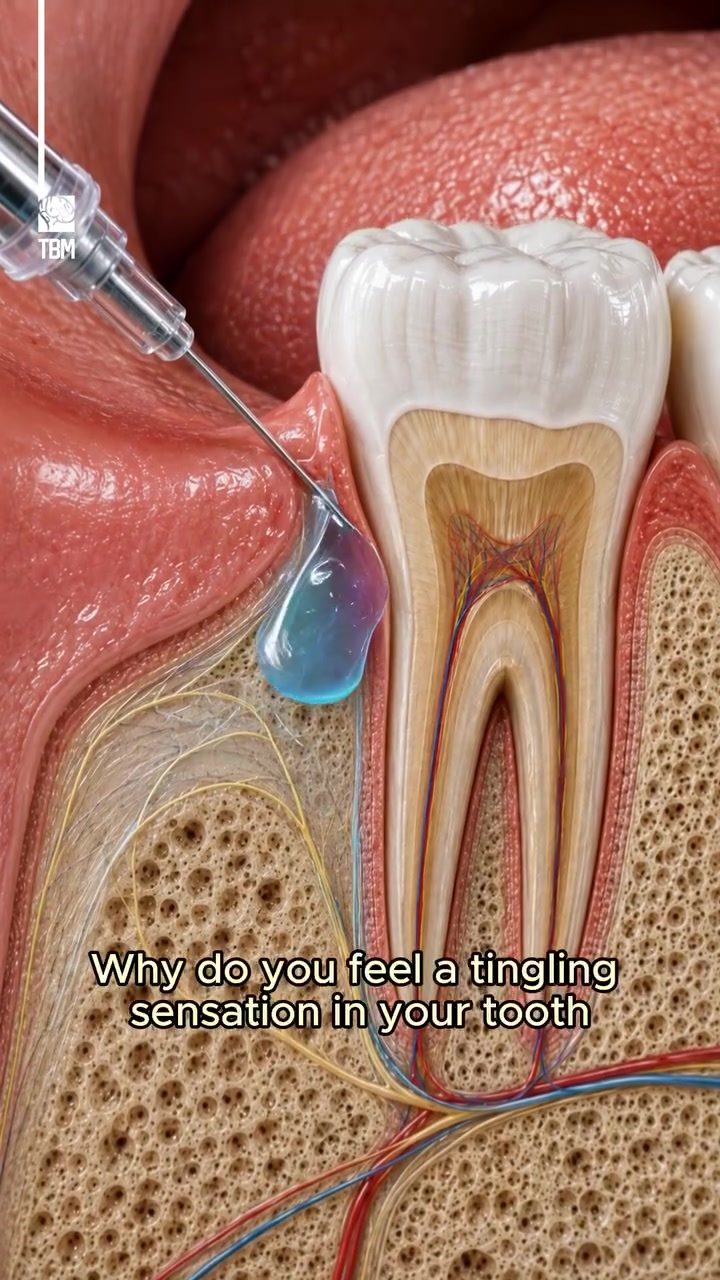
Tooth Tingling Explained
That tingling sensation in your tooth after dental anesthesia can be unsettling. The experience is not uncommon, and understanding why it happens can demystify the process and alleviate some of the anxiety associated with dental procedures.
Why This Matters
Dental procedures often involve the use of local anesthesia to numb the area being worked on. While effective, many people still experience tingling, pressure, or vibration in the tooth even after the anesthesia has taken effect. This sensation can be exacerbated by the sound and vibrations of the drill, making the experience more uncomfortable than it needs to be.
The Science Behind Tooth Tingling
Nerve Fibers and Anesthesia
Local anesthesia works by blocking nerve fibers, but not all fibers are affected equally. When local anesthesia is injected, it first targets the smaller nerve fibers that carry pain signals. Larger nerve fibers, which transmit sensations of pressure and vibration, are more resistant to the anesthetic and can remain active. This is why you might still feel a tingling sensation or pressure in your tooth even though the area is numb. Larger nerve fibers, which transmit sensations of pressure and vibration, are more resistant to the anesthetic and can remain active. This is why you might still feel a tingling sensation or pressure in your tooth even though the area is numb.
Bone Conduction and the Drill
One of the most unsettling aspects of dental procedures is the sound and vibration of the drill. These vibrations travel through your tooth and jawbone directly to your skull. The process, known as bone conduction, allows these vibrations to reach the cochlea, the part of the inner ear responsible for hearing. Your brain interprets these vibrations as sound, and when combined with the vibration itself, the experience can feel more uncomfortable than it actually is. This heightened sensation can make the drilling feel more painful, even when the anesthesia is working effectively.
The Role of Anxiety
Anxiety and anticipation can significantly amplify the sensations experienced during a dental procedure. The cognitive anticipation of pain can make the actual experience feel worse. This psychological component can intensify the discomfort, making the tingling sensation more pronounced and the overall experience more unpleasant. Managing anxiety through relaxation techniques or open communication with the dentist can help mitigate this effect.
Practical Tips
Communicating with Your Dentist
Open communication with your dentist is crucial. Discussing your concerns and anxieties before the procedure can help the dentist tailor the experience to your needs. They can provide additional reassurance, explain each step of the process, or even adjust the anesthesia to better suit your comfort levels.
Relaxation Techniques
Using relaxation techniques such as deep breathing, meditation, or listening to calming music can help reduce anxiety levels before and during the procedure. These techniques can help you stay calm and focused, making the experience more manageable.
Understanding the Procedure
Knowing what to expect during the procedure can alleviate some of the anxiety associated with the unknown. Ask your dentist to explain the steps involved, the sensations you might feel, and how long the procedure will take. This knowledge can help you mentally prepare and reduce the impact of any unexpected sensations.
Requesting Additional Anesthesia
If the tingling sensation or vibration is particularly bothersome, you can request additional anesthesia. Your dentist may be able to administer more to ensure that all nerve fibers are adequately blocked, providing a more comfortable experience.
Advanced Techniques
In some cases, dentists may use advanced techniques such as nitrous oxide (laughing gas) or other sedation methods to help patients relax during the procedure. These methods can provide additional comfort and reduce the perception of discomfort.
Important Takeaways
Understanding why you feel a tingling sensation in your tooth after dental anesthesia can help demystify the experience and alleviate some of the anxiety associated with dental procedures. The sensation is often due to the differential effect of the anesthesia on smaller and larger nerve fibers, as well as the process of bone conduction and the psychological impact of anxiety.
Key Points
- Larger Nerve Fibers: These fibers, which transmit pressure and vibration, are more resistant to anesthesia and can remain active, causing a tingling sensation.
- Bone Conduction: Vibrations from the drill travel through the bone to the brain, enhancing the sensation of discomfort.
- Anxiety: This psychological component can amplify the perception of pain and discomfort.
- Communication and Preparation: Discussing your concerns with your dentist and understanding the procedure can help manage anxiety and make the experience more comfortable.
Conclusion
That tingling sensation in your tooth after dental anesthesia is a common experience and can be attributed to the way local anesthesia works on different nerve fibers, the process of bone conduction, and the impact of anxiety. By understanding these factors and taking practical steps to manage your comfort and anxiety, you can make your next dental visit a more comfortable and less unsettling experience.
Watch the Reel
Questions readers ask
Why do I feel a tingling sensation in my tooth after dental anesthesia?
The tingling sensation is due to the way local anesthesia affects different nerve fibers in your tooth. While the anesthesia numbs the area, some nerve fibers may still be active, leading to this tingling feeling. The vibrations and sounds from dental tools can also contribute to this sensation.
Is tooth tingling after anesthesia a common occurrence?
Yes, tooth tingling after anesthesia is quite common. Many people experience this sensation, and it is a normal part of the numbing process. Understanding this can help alleviate any anxiety you may have about the sensation.
How long should the tingling sensation in my tooth last after dental anesthesia?
The tingling sensation typically subsides as the effects of the anesthesia wear off. This usually takes a few hours, but the duration can vary depending on the type of anesthesia used and your body's response. If the sensation persists for more than a day, it is advisable to contact your dentist.
Can the sound and vibrations from dental tools affect the tingling sensation in my tooth?
Yes, the sounds and vibrations from dental tools can exacerbate the tingling sensation. These factors can stimulate the nerve fibers in your tooth, even when the area is numb, making the experience more uncomfortable.
What should I do if the tingling sensation in my tooth is severe or accompanied by other symptoms?
If the tingling sensation is severe or accompanied by other symptoms such as prolonged numbness, pain, or swelling, you should contact your dentist immediately. These could be signs of a complication that requires prompt attention.
Why do some people experience more tingling than others after dental anesthesia?
The experience of tingling can vary from person to person due to differences in nerve sensitivity and the body's response to anesthesia. Some individuals may have more sensitive nerve fibers, leading to a more pronounced tingling sensation. Additionally, the specific type and amount of anesthesia used can affect how much tingling is felt.
Are there any steps I can take to reduce the tingling sensation in my tooth after dental anesthesia?
While the tingling sensation is a normal response to anesthesia, you can try to reduce it by taking slow, deep breaths and focusing on relaxing your jaw and facial muscles. If the sensation is particularly uncomfortable, inform your dentist, as they may be able to adjust the procedure to minimize discomfort.
Related deep dives
Similar reads based on topic and creator.

Recent articles
Fresh deep dives from the latest Reels we unpacked.




Comments
Be the first to comment.