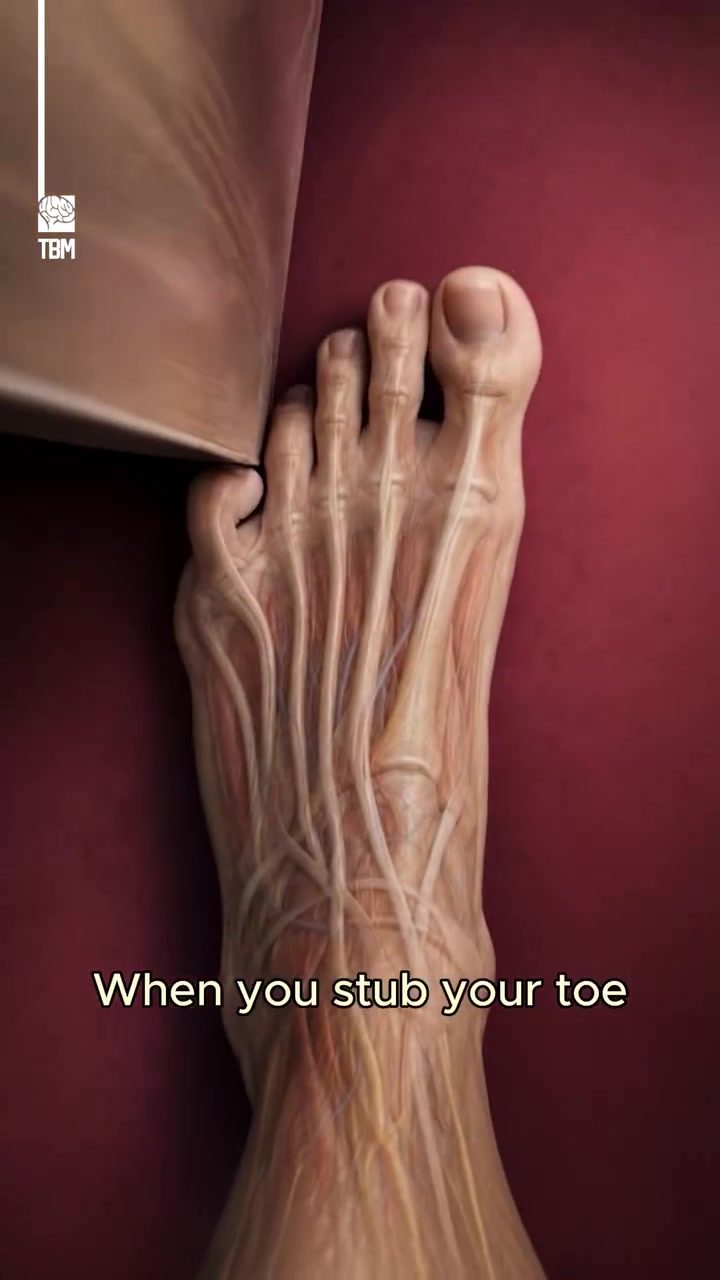
What Happens When You Stub Your Toe: An Anatomy of the Injury
Stubbing your toe might seem like a minor incident, but the pain and swelling that follow can be overwhelming. Understanding what happens beneath the skin when your toe hits a hard surface can provide insight into why this seemingly small injury can cause such intense discomfort.
Why This Matters
Toes are crucial for balance and weight distribution. They support your body weight and help maintain stability while moving. When a toe is injured, the disruption of these functions can lead to significant discomfort and mobility issues. Additionally, stubbed toes can cause a chain reaction of pain and swelling that affects the entire foot.
The Immediate Reaction
When you stub your toe, the sudden impact triggers a series of events beneath the skin. The force of the impact crushes sensitive nerve endings, sending sharp pain signals directly to the brain. This immediate pain response is part of your body's natural protective mechanism, alerting you to potential damage and prompting you to avoid further injury.
Swelling and Redness
Simultaneously, tiny blood vessels near the impact site can rupture. This leads to the collection of blood and fluid around the injured area, causing swelling and redness. The swelling is a natural part of the body's healing response, as it helps to isolate the injured area and prevent further damage. However, the increased pressure from swelling can also squeeze additional nerves, intensifying the throbbing pain.
Structural Vulnerabilities
Toes contain very little fat or muscle to cushion the bones, making them particularly vulnerable to impact. When force is applied, much of it travels directly into the small bones and joints, resulting in significant pain. This lack of cushioning also means that even minor impacts can cause a lot of damage, leading to prolonged discomfort and difficulty walking.
Impact on Balance and Movement
Your toes play a critical role in maintaining balance and supporting your weight while moving. Even a minor stub can disrupt these functions, making it difficult to stand or walk. The pain can be so intense that it becomes challenging to place weight on the injured foot, affecting your overall mobility and stability.
Tips for Managing a Stubbed Toe
Although stubbing your toe is a common occurrence, there are ways to manage the pain and swelling effectively:
- Rest and Ice: Apply an ice pack to the injured area for about 15-20 minutes every few hours. This can help reduce swelling and numb the pain.
- Elevation: Keep your foot elevated to minimize swelling. Lie down and prop your foot up on a pillow or stack of books.
- Support: Wear comfortable, supportive shoes that do not put additional pressure on the injured toe. Avoid tight-fitting shoes or going barefoot.
- Pain Relief: Over-the-counter pain relievers such as ibuprofen or acetaminophen can help manage the pain. Always follow the dosage instructions on the package.
- Avoid Pressure: Try to avoid placing weight on the injured foot as much as possible. Use crutches or a cane if necessary to support your weight and reduce pressure on the injured area.
- Check for Serious Injuries: If the pain is severe, if you notice a deformity, or if the toe appears discolored, seek medical attention. These could be signs of a broken bone or other serious injury.
Important Takeaways
A simple toe stub can lead to a cascade of painful and disruptive sensations. The lack of cushioning in the toes makes them particularly vulnerable to impact, resulting in intense pain and swelling. Understanding the underlying mechanisms can help you manage the injury more effectively and prevent further complications.
Conclusion
Stubbing your toe is a common and often painful experience. By understanding the physiological reactions and the role of toes in balance and movement, you can better appreciate the impact of this injury. Whether it's applying ice, elevating your foot, or seeking medical attention, knowing how to manage a stubbed toe can significantly improve your recovery and mobility.
Watch the Reel
Questions readers ask
Why does stubbing your toe cause such intense pain?
Stubbing your toe hurts so much because the toes have a high concentration of nerves and very little fat or muscle to act as a cushion. This combination makes even a small impact feel like a significant injury.
What are the immediate symptoms of a stubbed toe?
The immediate symptoms of a stubbed toe typically include intense pain, swelling, and redness. These symptoms can make it difficult to walk or stand, and may worsen if not treated promptly.
How can I find toe pain relief at home?
To find relief from toe pain at home, you can try the RICE method: Rest, Ice, Compression, and Elevation. Applying ice to the affected toe can help reduce swelling and numb the pain. Additionally, over-the-counter pain relievers can be helpful.
What are the toe injury symptoms to look out for after stubbing your toe?
After stubbing your toe, look out for symptoms such as persistent pain, severe swelling, or changes in the toe's appearance or function. These symptoms could indicate a more serious injury, such as a fracture or dislocation.
Why does a stubbed toe affect your balance and mobility?
Toes play a crucial role in balance and weight distribution. When you injure a toe, it can disrupt your body's ability to maintain stability, leading to difficulties in walking and standing, and increasing the risk of further injury.
What is the best stubbed toe treatment for immediate care?
For immediate care, apply ice to the injured toe for about 15-20 minutes every few hours to reduce swelling and pain. You can also wrap the toe gently with a bandage to provide support and compression, and keep it elevated to help reduce swelling.
Related deep dives
Similar reads based on topic and creator.


Recent articles
Fresh deep dives from the latest Reels we unpacked.




Comments
Be the first to comment.