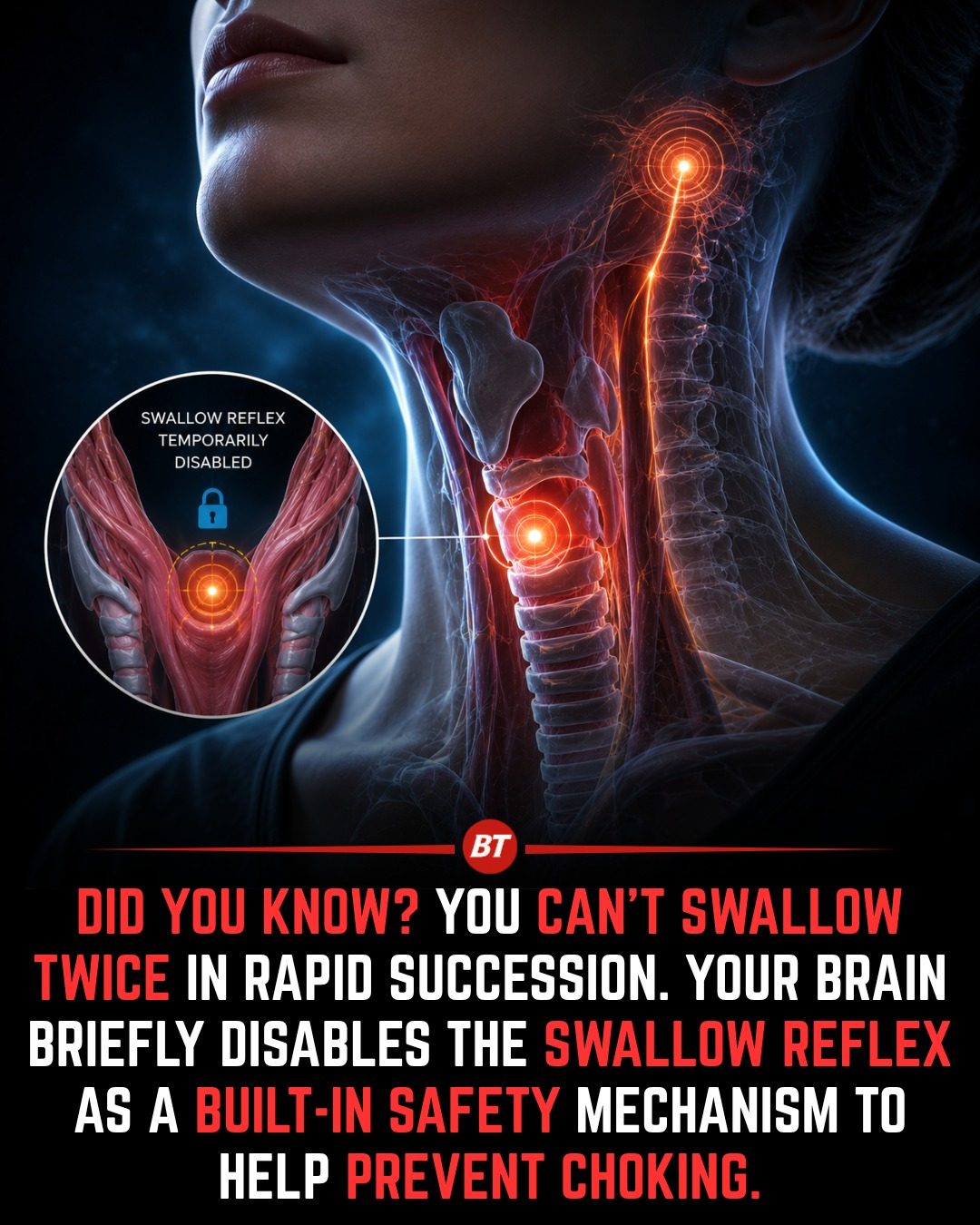
Swallowing Reflex
When we think about swallowing, we often overlook the complexity and precision of the process. The swallow reflex is a critical, automatic function that ensures food and liquid safely move from the mouth to the stomach, rather than entering the lungs. Understanding this process can offer insights into the intricate workings of the human body.
Why This Matters
The swallowing reflex is not just a simple, involuntary action; it is a highly coordinated sequence of events involving multiple muscle groups and neurological pathways. Recognizing the intricacies of this process can help us appreciate the body's remarkable ability to protect itself from potential hazards, such as choking and aspiration. There's a pause that occurs after a swallow as a safety mechanism.
How the Swallowing Reflex Works
The Muscles and Nerves Involved
Swallowing is a complex action that involves more than 50 pairs of muscles and several cranial nerves. These components work in unison to move food from the mouth into the esophagus while ensuring it does not enter the lungs. The entire process is orchestrated by specialized swallowing centers located in the brainstem. These centers precisely control the timing of every muscle movement, making this a finely-tuned, automatic process.
The Role of the Epiglottis
During swallowing, a small flap of tissue called the epiglottis plays a crucial role. The epiglottis folds over the windpipe, acting as a lid to temporarily seal off the airway. Simultaneously, the vocal cords close tightly, further ensuring that food and liquid do not enter the lungs. This action is part of a normal phenomenon known as swallowing apnea, where breathing briefly pauses.
The Brain's Role in Ensuring Safety
Before another swallow can occur, the brain ensures that the previous swallow has been completed and the airway has safely reopened. This brief "reset" is a built-in safety mechanism that helps prevent food or liquid from entering the lungs, reducing the risk of choking and aspiration.
Practical Tips
Slow Down and Chew Thoroughly
One practical tip to enhance your swallowing experience and reduce the risk of choking is to slow down and chew your food thoroughly. This gives your brain enough time to coordinate each swallow, making the process more comfortable and safer.
Pay Attention to Texture and Consistency
The texture and consistency of food can affect the ease of swallowing. Soft, moist foods are generally easier to swallow than hard, dry foods. Paying attention to the texture of your food can help prevent discomfort and potential hazards during swallowing.
Stay Hydrated
Staying hydrated is crucial for maintaining the body’s natural lubrication, including the throat. Proper hydration helps to keep the throat moist, making it easier to swallow and reducing the risk of choking.
Important Takeaways
- Complex Action: Swallowing is a complex action involving multiple muscle groups and neurological pathways.
- Protective Mechanism: The brain temporarily disables the swallow reflex to prevent choking and aspiration.
- Coordination: The swallowing process is coordinated by specialized centers in the brainstem, ensuring precise timing and safety.
- Eating Habits: Simple adjustments, such as slowing down and chewing thoroughly, can make the process safer and more comfortable.
Conclusion
The swallowing reflex is a remarkable example of the body's ability to perform complex, life-sustaining actions automatically. Understanding the intricacies of this process can help us appreciate the body's built-in safety mechanisms and adopt healthier eating habits. By being mindful of how we eat and taking simple precautions, we can enhance our overall well-being and reduce potential risks associated with swallowing.
Watch the Reel
Questions readers ask
What triggers the swallowing reflex?
The swallowing reflex is typically triggered by the presence of food or liquid in the mouth. This stimulates nerves in the throat, which send signals to the brain to initiate the swallowing process. The brain then coordinates the muscles involved in swallowing to ensure food moves safely to the stomach.
How does the swallowing reflex protect the airway?
The swallowing reflex protects the airway by temporarily pausing breathing. This pause ensures that the airway is closed off during swallowing, preventing food or liquid from entering the lungs. Additionally, the epiglottis, a small flap of tissue, covers the windpipe to redirect food and liquid into the esophagus.
Which muscles are involved in the swallowing reflex?
The swallowing reflex involves multiple muscle groups, including the tongue, pharynx, and esophagus. The tongue helps push food to the back of the throat, while muscles in the pharynx and esophagus work together to move food down to the stomach. The larynx and vocal cords also play a role in protecting the airway during this process.
How long does the swallowing reflex take?
The entire swallowing reflex, from the initiation of the swallow to the completion of the process, typically takes about 8-10, seconds. This includes the pause in breathing, which usually lasts for a fraction of a second, and the coordinated muscle movements that propel food down to the stomach.
What happens if the swallowing reflex is impaired?
An impaired swallowing reflex can lead to serious complications, such as choking, aspiration, and malnutrition. Individuals with swallowing difficulties may experience coughing or throat clearing during or after meals, a feeling of food sticking in the throat, or recurrent respiratory infections. If you suspect a swallowing disorder, it is important to consult with a healthcare professional.
Can the swallowing reflex be improved or enhanced?
For individuals with swallowing difficulties, there are techniques and exercises that can help improve the swallowing reflex. These may include swallowing therapy, which focuses on strengthening the muscles involved in swallowing, and modifying food textures and liquid consistencies to make them easier and safer to swallow. Always consult with a healthcare professional before starting any new technique or therapy.
What is the role of the brain in the swallowing reflex?
The brain plays a crucial role in coordinating the swallowing reflex. It receives signals from nerves in the throat and then sends commands to the muscles involved in swallowing, ensuring a smooth and safe passage of food and liquid. The brainstem, in particular, is responsible for the automatic aspects of swallowing, while the cerebral cortex can modulate and control voluntary aspects of the process.
Recent articles
Fresh deep dives from the latest Reels we unpacked.




Comments
Be the first to comment.