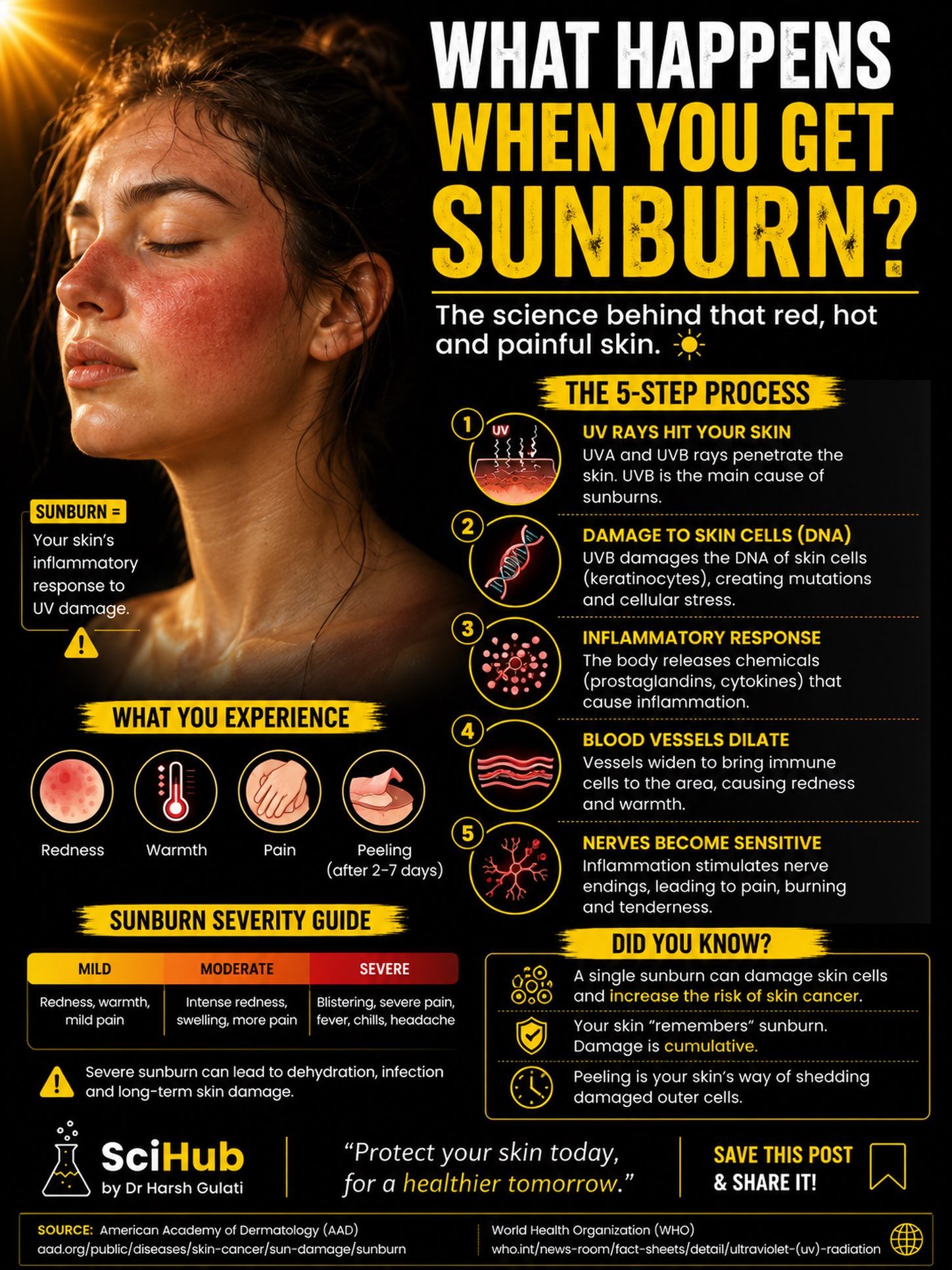
Sunburn: Understanding the Science and Importance of Prevention
Sunburn is more than just a temporary discomfort; it is a serious inflammatory response triggered by ultraviolet (UV) radiation. Understanding the mechanisms behind sunburn and the cumulative damage it causes is key to maintaining long-term skin health. Here, we delve into the science behind sunburn, its effects on the skin, and effective prevention strategies.
Why This Matters
Sunburn affects millions of people each year, and its effects are not merely cosmetic. Repeated sunburns can lead to significant health risks, including premature skin aging and an increased risk of skin cancer. Protecting your skin from UV damage is crucial for maintaining overall health and well-being.
The Science of Sunburn
The Role of UV Rays
When UV rays, particularly UVB rays, hit the skin, they penetrate the outer layers and damage the DNA of skin cells. This damage triggers an inflammatory response, which is the body's way of trying to repair the harm. The inflammatory process involves several steps:
- Damage to Skin Cells (DNA): UVB rays cause direct damage to the DNA within skin cells. This damage can lead to mutations and, over time, increase the risk of skin cancer.
- Inflammatory Response: In an effort to repair the damaged cells, the body releases inflammatory chemicals. These chemicals cause blood vessels in the affected area to dilate, leading to redness and warmth.
- Nerve Sensitivity: The inflammatory response also affects nerve endings, making the skin more sensitive. This heightened sensitivity results in pain and tenderness.
- Peeling: In the days following a sunburn, the skin may begin to peel. This is the body's way of shedding damaged skin cells, revealing new, healthier skin beneath.
Sunburn Severity Guide
Sunburns can range from mild to severe, depending on the extent of the damage and the body's response. Here is a breakdown of the different levels of sunburn severity:
- Mild Sunburn: Characterized by redness and slight pain. This level of sunburn is usually temporary and heals within a few days.
- Moderate Sunburn: Involves more significant redness, warmth, and pain. The skin may feel tight and itchy.
- Severe Sunburn: This level of sunburn is characterized by blistering and severe pain. It may require medical attention to prevent infection and promote healing.
Cumulative Damage
It's important to note that the damage caused by sunburn is cumulative. Over time, repeated sunburns can lead to significant skin damage, including premature aging, wrinkles, and an increased risk of skin cancer. Protecting your skin from UV damage at all stages of life is essential for long-term health.
Practical Tips for Sun Protection
Protecting your skin from sunburn involves a combination of strategies. Here are some practical tips to help you safeguard your skin:
Use Sunscreen
Wear a broad-spectrum sunscreen with an SPF of 30 or higher. Broad-spectrum sunscreens protect against both UVA and UVB rays, offering more comprehensive coverage. Reapply every two hours when outdoors or after swimming or sweating.
Wear Protective Clothing
Opt for protective clothing made from tightly woven fabrics that can block UV rays. Hats with wide brims and sunglasses with UV protection are also essential for shielding your face and eyes from harmful rays.
Seek Shade
Avoid peak UV hours, typically between 10 AM and 4 PM, by seeking shade under trees, umbrellas, or other structures. If you must be outdoors during these hours, protect yourself with sunscreen, protective clothing, and other sun-protective measures.
Important Takeaways
Sunburn is a clear indication that your skin has been damaged by UV radiation. Understanding the mechanisms behind sunburn and taking proactive steps to protect your skin can help reduce the risk of long-term damage. Remember, prevention is key:
- UV rays damage skin cells, leading to an inflammatory response.
- The body releases chemicals that cause redness, warmth, and pain.
- Sunburn severity ranges from mild to severe, with cumulative damage increasing the risk of skin cancer.
- Protective measures, such as wearing sunscreen and protective clothing, are essential for maintaining skin health.
Conclusion
Sunburn is more than just a painful reminder of a day in the sun; it is a sign of significant skin damage. By understanding the science behind sunburn and taking proactive measures to protect your skin, you can safeguard your long-term health. Whether you're enjoying a day at the beach or simply running errands, make sun protection a part of your daily routine. Your skin will thank you for it.
Watch the Reel
Questions readers ask
What are the primary causes of sunburn?
Sunburn is primarily caused by overexposure to ultraviolet (UV) radiation from the sun. UV radiation is composed of UVA and UVB rays, both of which can damage the skin. UVA rays penetrate deeply into the skin, causing premature aging, while UVB rays are responsible for most sunburns.
How does sunburn affect the skin in the long term?
Repeated sunburns can lead to cumulative damage, including premature skin aging, loss of elasticity, and the development of age spots. Moreover, excessive sunburn increases the risk of skin cancer, making it crucial to protect your skin from UV radiation.
What are some effective strategies to prevent sunburn?
To prevent sunburn, apply a broad-spectrum sunscreen with at least SPF 30, reapply every two hours or after swimming or sweating. Wear protective clothing, including long sleeves, pants, a wide-brimmed hat, and sunglasses. Seek shade during peak UV hours, typically between 10 a.m. and 4 p.m.
How does sunburn differ from general sun damage?
Sunburn is a immediate inflammatory response to intense UV exposure, while general sun damage accumulates over time from repeated, less intense exposure. Sun damage can manifest as wrinkles, age spots, and rough skin texture, whereas sunburn is characterized by redness, pain, and sometimes blistering.
What are the immediate steps to take if you get sunburned?
If you get sunburned, cool the skin with a damp cloth or take a cool bath. Apply aloe vera or a moisturizing lotion to soothe the skin. Stay hydrated by drinking plenty of water, and consider taking a pain reliever to reduce discomfort. Avoid further sun exposure until the burn heals.
Is there a difference between sunburn and sunburn induced skin cancer?
Sunburn itself is not cancerous, but it is a significant risk factor for developing skin cancer. Repeated sunburns, especially during childhood and adolescence, can increase the likelihood of developing skin cancer later in life, including melanoma and non-melanoma forms.
Related deep dives
Similar reads based on topic and creator.




Recent articles
Fresh deep dives from the latest Reels we unpacked.




Comments
Be the first to comment.