Substance Use Disorder Severity
Alcohol and Cannabis accounted for over 80,000 calls to U.S. Poison Control Centers in 2022, highlighting the widespread nature of substance use and its potential for adverse effects. The severity of these substance use disorders (SUDs) varies and how many adverse events are caused by different substances is a key piece of information that is important for understanding the landscape of addiction.
Why This Matters
The prevalence of substance use disorders is a significant public health concern. Understanding the severity and frequency of adverse events related to different substances can help inform prevention, treatment, and harm reduction strategies. This information is crucial for healthcare providers, policymakers, and the public to address the complexities of addiction and substance use disorders effectively.
Substance Use Disorder Prevalence
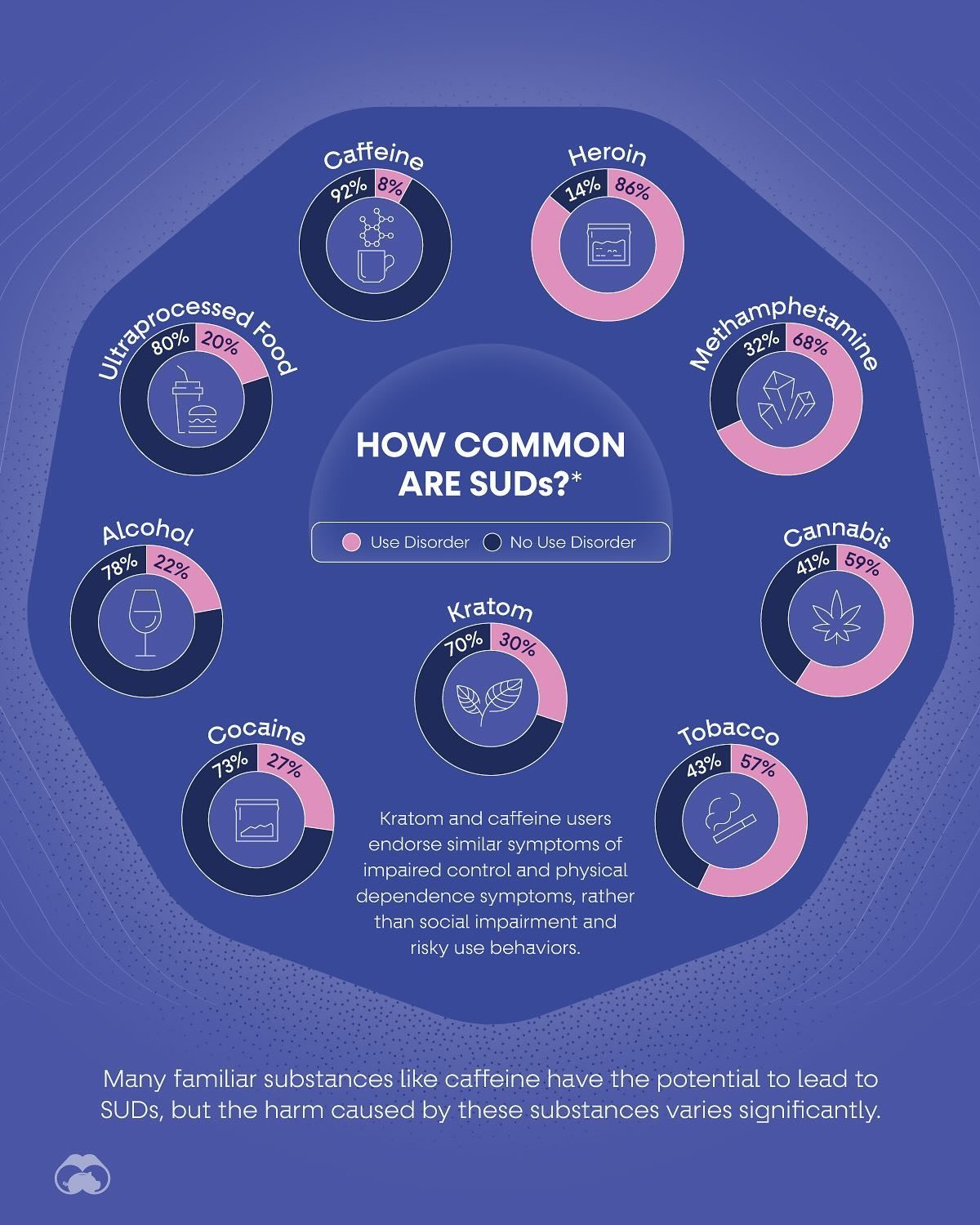
The prevalence of substance use disorders (SUDs) varies widely across different substances. Some substances, like alcohol and cannabis, are more commonly associated with adverse events, while others, such as heroin and methamphetamine, are less frequently used but carry more severe risks. According to the infographics, caffeine, heroin, ultraprocessed food, methamphetamine, alcohol, cannabis, cocaine, kratom, and tobacco are listed.
Severity of Substance Use Disorders
Substance use disorders are characterized by a range of symptoms and behaviors. The severity of a SUD can be mild, moderate, or severe, depending on how many criteria a person meets. These criteria include the level of dependence on the substance, continued use despite adverse effects, and the impact on daily life. Alcohol and cannabis, despite their relatively mild symptom profiles, are associated with a high volume of adverse events due to their widespread use.
Adverse Events Caused by Substances
In 2022, alcohol and cannabis accounted for a significant number of adverse events reported to poison control centers. This high volume of calls is often tied to the prevalence of use rather than the severity of the substances themselves. Adverse events can include accidental overdoses, alcohol poisoning, and other health complications. Understanding the prevalence of adverse events for these substances can help inform harm reduction strategies and public health interventions.
Complexities of Addiction
Addiction is a complex topic, as many commonly used substances have the potential to be addictive and lead to a substance use disorder. Substances like caffeine, heroin, ultraprocessed food, methamphetamine, alcohol, cannabis, cocaine, kratom, and tobacco all have the potential to be addictive if used improperly or excessively. The severity of a substance use disorder (SUD) is determined by how many of the 11 criteria a person meets, including continued use despite negative effects and how dependent a person becomes on the substance.
Practical Tips for Managing Substance Use
Here are some practical tips for managing substance use and preventing adverse events:
Recognize the Signs of Addiction
Identify the signs of addiction in yourself or others. This can include changes in behavior, mood, and physical health. Understanding the criteria for a substance use disorder can help in recognizing when professional help is needed.
Seek Professional Help
If you or someone you know is struggling with substance use, seek help from a healthcare professional. Treatment options can include therapy, medication, and support groups.
Practice Harm Reduction
If you choose to use substances, practice harm reduction strategies. This can include setting limits on use, avoiding risky behaviors, and staying informed about the potential risks associated with different substances.
Stay Informed
Stay informed about the potential risks and adverse effects of different substances. Knowing the severity and prevalence of substance use disorders can help in making informed decisions about substance use.
Important Takeaways
Understanding the prevalence, severity, and adverse events related to different substances is crucial for addressing the complexities of addiction. Key takeaways include:
- Substance use disorders vary in severity, from mild to severe, and are characterized by multiple criteria.
- Alcohol and cannabis are associated with a high volume of adverse events due to their widespread use.
- Managing substance use involves recognizing the signs of addiction, seeking professional help, practicing harm reduction strategies, and staying informed.
- Addressing addiction requires a nuanced understanding of the complexities involved and the specific risks associated with different substances.
Conclusion
The complexity of addiction and substance use disorders necessitates a comprehensive approach to prevention, treatment, and harm reduction. Understanding the prevalence, severity, and adverse events related to different substances can inform effective strategies for addressing these challenges. Recognizing the signs of addiction, seeking professional help, and practicing harm reduction are essential steps in managing substance use and promoting public health.
Watch the Reel
Questions readers ask
What substances contributed to the highest number of poison control calls in 2022?
Alcohol and cannabis were the primary contributors, accounting for over 80,000 calls to U.S. Poison Control Centers in 2022. This underscores the widespread use and potential hazards associated with these substances.
How does the severity of substance use disorders vary by substance?
The severity of substance use disorders (SUDs) can differ significantly depending on the substance. For instance, while alcohol and cannabis had a high volume of adverse events, other substances may present different challenges and risks. This variation is crucial for tailored prevention and treatment strategies.
Why is it important to track the prevalence of substance use disorders?
Tracking the prevalence helps inform public health strategies, including prevention, treatment, and harm reduction efforts. It provides insights into the scope and impact of substance use disorders, enabling better resource allocation and policy-making.
What role do adverse events play in understanding substance use disorders?
Adverse events serve as critical indicators of the severity and impact of substance use disorders. By analyzing these events, healthcare providers and policymakers can better understand the risks associated with different substances and develop more effective interventions.
How can understanding substance use disorder statistics help healthcare providers?
Statistics on substance use disorders help healthcare providers identify trends, assess risks, and tailor treatments. This information is vital for early intervention and supporting individuals with substance use disorders, ultimately improving outcomes and reducing harm.
Related deep dives
Similar reads based on topic and creator.


Recent articles
Fresh deep dives from the latest Reels we unpacked.




Comments
Be the first to comment.