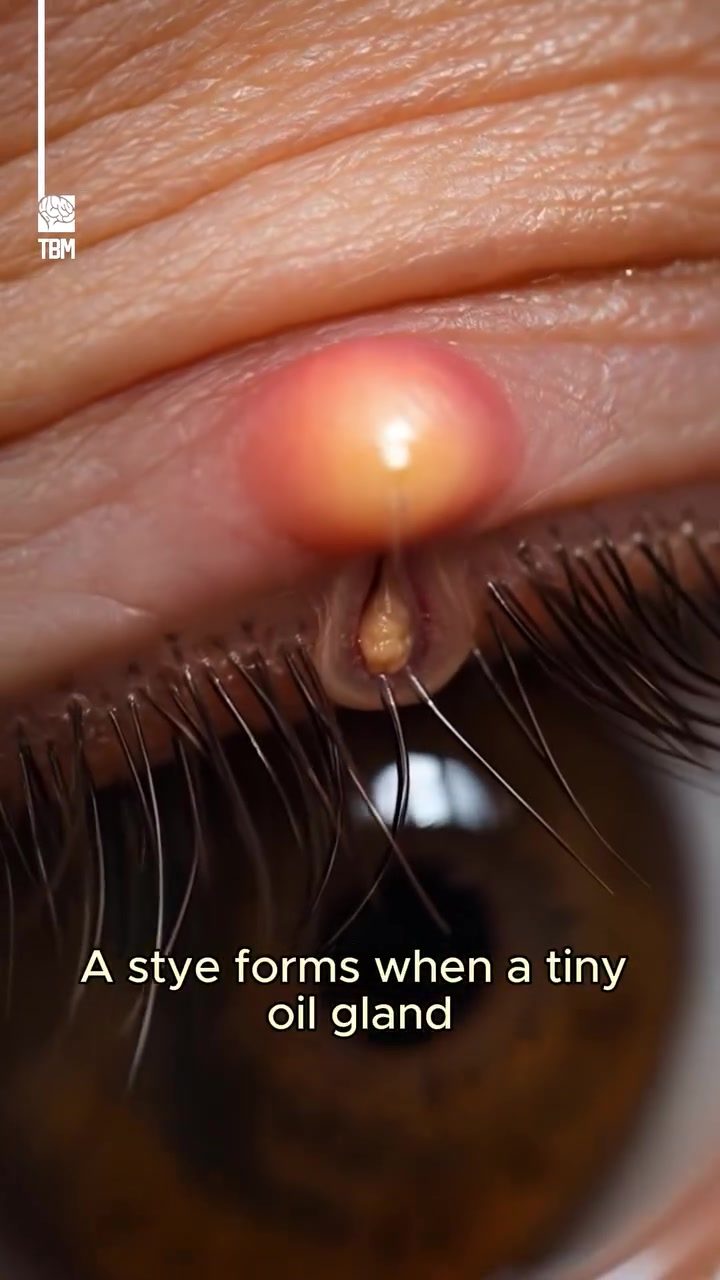
Stye Formation
Styes are a common and often painful occurrence on the eyelid. They can resemble small pimples near the eye, leading many to wonder about their causes and characteristics. Understanding how styes form can help in managing and preventing them effectively.
Why This Matters
Styes can be more than just a minor inconvenience; they can cause discomfort and affect daily activities. Knowing the underlying causes and how to address them can significantly improve eye health and overall well-being.
The Anatomy of a Stye
Oil Glands and Eyelash Follicles
At the heart of a stye is an oil gland or an eyelash follicle that becomes blocked. These glands are responsible for releasing oil that helps maintain the eye's tear film, which is crucial for keeping the eye lubricated and protected. However, when dead skin cells, thick oil, dirt, or bacteria accumulate, the opening of these glands can become clogged. This blockage is the initial step in the formation of a stye.
The Role of Bacteria
Once the gland is blocked, bacteria—most commonly Staphylococcus aureus, or staph—can multiply inside the trapped gland. This bacterial overgrowth triggers inflammation, which is the body's response to infection. The immune system sends white blood cells to combat the infection, leading to swelling, redness, and tenderness around the affected area. In some cases, a small pus-filled bump forms, which is what gives a stye its pimple-like appearance.
Common Causes of Styes
Poor Hygiene and Contamination
Several factors contribute to the formation of styes. One of the most common causes is touching the eyes with unwashed hands, which can introduce bacteria to the eye area. Sleeping with eye makeup on can also lead to blockages, as makeup residue and dirt can build up around the eyelids. Similarly, poor eyelid hygiene can create an environment where bacteria thrive, increasing the risk of stye formation. Contact lens contamination is another potential culprit, as bacteria can adhere to the lenses and lenses can irritate the eye.
Inflammation and Other Factors
Inflammation of the eyelid, a condition known as blepharitis, can also contribute to stye formation. This inflammation can cause the oil glands to become blocked, leading to the development of a stye. Additionally, conditions that weaken the immune system, such as diabetes or autoimmune disorders, can make individuals more susceptible to eye infections, including styes.
The Development of a Stye
Early Stages
In the early stages, a stye may start as a small, tender lump on the eyelid. This lump is the result of the blocked gland and the body's inflammatory response. As the condition progresses, the area becomes more swollen and red, and the lump may grow in size. Pressure builds inside the blocked gland, causing pain and discomfort.
Advanced Stages
If left untreated, the stye can develop into a more advanced stage, where a pus-filled bump forms. This bump is the body's attempt to encapsulate and isolate the infection. The bump may eventually rupture, draining the pus and relieving some of the pressure and discomfort. However, it is important not to squeeze or pop the stye, as this can spread the infection and potentially cause further complications.
Practical Tips for Managing and Preventing Styes
Hygiene Practices
Maintaining good eyelid hygiene is crucial for preventing styes. Regularly wash your hands and avoid touching your eyes. Cleanse your eyelids gently with a mild, fragrance-free cleanser and warm water. Remove all makeup before bed, and replace your eye makeup regularly to prevent bacteria buildup. If you wear contact lenses, ensure they are clean and properly stored to avoid contamination.
Home Remedies and Medical Treatment
For mild cases, applying a warm compress to the affected area can help reduce swelling and promote drainage. Hold a clean, warm cloth against the eyelid for 10-15 minutes, 3-4 times a day. Avoid using eye makeup or contact lenses until the stye has healed. In more severe cases, a healthcare professional may prescribe antibiotic ointment or oral antibiotics to treat the infection.
When to Seek Medical Attention
While most styes are harmless and resolve on their own, it is important to seek medical attention if the stye does not improve within a few days, if it worsens, or if it spreads to other parts of the eye or face. Additionally, if you experience vision changes, severe pain, or a high fever, immediate medical attention is necessary.
Important Takeaways
Understanding the causes and development of styes can help individuals take proactive measures to prevent them. Maintaining good hygiene practices, avoiding behaviors that contribute to blocked glands, and seeking appropriate treatment when necessary are key to managing this common eye condition. Styes, while painful and inconvenient, can be effectively managed with the right care and attention.
Conclusion
Styes are a common yet often misunderstood condition. By knowing the underlying causes and development of styes, individuals can take steps to prevent their occurrence and manage them effectively when they do form. Good hygiene practices, prompt treatment, and awareness of potential complications are essential for maintaining eye health and well-being.
Watch the Reel
Questions readers ask
What are the most common symptoms of a stye?
A stye typically appears as a red, painful lump on the eyelid that may resemble a pimple. Other symptoms include swelling, tenderness, and sometimes discharge from the eyelid. In more severe cases, individuals might experience sensitivity to light and blurred vision.
How do styes form and what are the primary causes?
Styes form when oil glands or eyelash follicles on the eyelid become blocked, often due to bacteria, such as Staphylococcus aureus. The primary causes include poor hygiene, such as not washing hands before touching the face, leaving makeup on overnight, and using dirty contact lenses. These factors can lead to bacterial infections that result in a stye.
What are some effective home remedies for treating a stye?
Home remedies for treating a stye include applying a warm compress to the affected area for 10-15 minutes, several times a day. This can help to drain the stye and reduce swelling. Additionally, gently washing the eyelid with mild soap and warm water can help to remove any bacteria or residue. Over-the-counter pain relievers can also help manage discomfort. However, avoid squeezing or popping the stye as this can worsen the infection.
What are the best ways to prevent styes from forming?
To prevent styes, maintain good hygiene practices such as washing hands frequently, removing makeup before bed, and replacing eye makeup every few months. If you wear contact lenses, ensure they are properly cleaned and replaced as recommended. Additionally, avoid touching or rubbing your eyes to minimize the risk of introducing bacteria. Regularly cleaning your eyelids with a gentle cleanser can also help keep the oil glands clear and reduce the likelihood of a stye forming.
How can I tell the difference between a stye and a pimple?
A stye is a localized infection of the eyelid, typically caused by bacteria, and is often more painful and tender to the touch. It usually forms at the base of an eyelash or within the eyelid. A pimple, on the other hand, is a blocked pore on the skin and does not usually cause significant pain or tenderness. Pimples can appear anywhere on the skin, including the eyelid, but they are generally less likely to cause the intense discomfort associated with a stye. If in doubt, consult a healthcare professional for an accurate diagnosis.
Related deep dives
Similar reads based on topic and creator.


Recent articles
Fresh deep dives from the latest Reels we unpacked.




Comments
Be the first to comment.