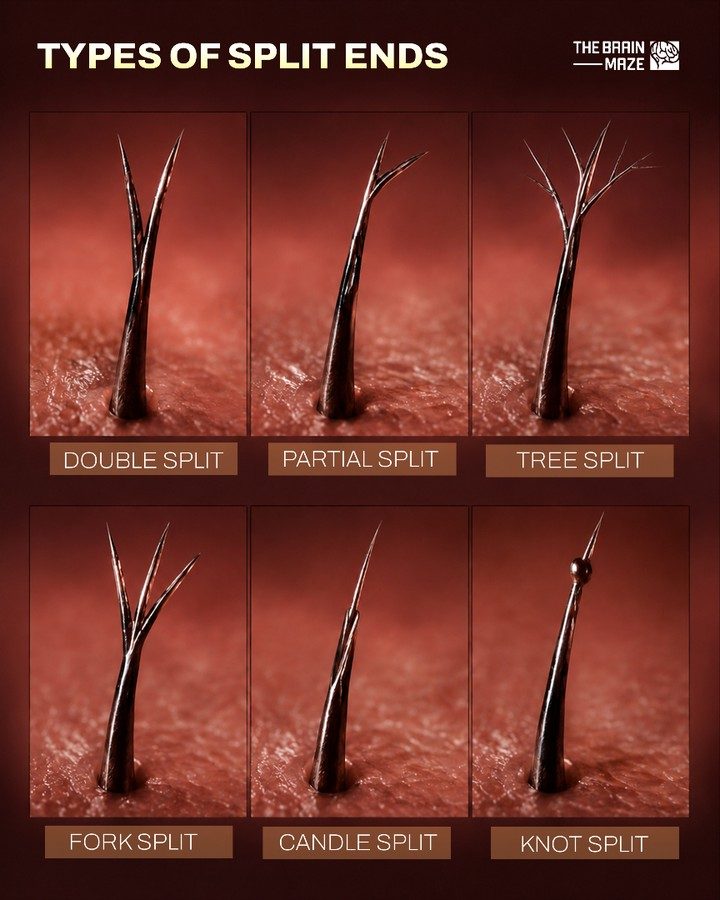
Split Ends: Identifying and Understanding Different Types
Split ends are a common hair issue that occurs when the hair fiber weakens and the protective cuticle layer breaks apart. Recognizing the different types of split ends is crucial for understanding how hair damage progresses and for addressing the problem effectively. Here, we'll explore the various forms of split ends, their causes, and how to identify them.
Why This Matters
Split ends can significantly impact the overall health and appearance of your hair. They not only make your hair look dull and unkempt but also lead to further damage if left untreated. By understanding the different types of split ends, you can take targeted steps to prevent and treat them, promoting healthier and more resilient hair.
Main Discussion
Double Split
Double splits occur when the hair strand splits into two distinct parts, each with its own end. This type of split end is typically caused by excessive heat styling, rough handling, or chemical treatments. Double splits are one of the more severe types of split ends and can lead to further damage if not addressed promptly.
Partial Split
Partial splits are less severe than double splits and appear as a small tear or crack in the hair strand. They often occur when the hair is exposed to friction or heat, leading to minor damage. Partial splits are often easier to correct with regular trimming and proper hair care.
Tree Split
Tree splits get their name from their distinctive branching pattern, which resembles the shape of a tree. This type of split end occurs when the hair fiber splits into multiple smaller strands, creating a bushy or tangled appearance. Tree splits are usually caused by prolonged exposure to heat or chemical treatments and can be challenging to manage.
Fork Split
Fork splits are characterized by a clean, forked tip at the end of the hair strand. This type of split end is often the result of mechanical damage, such as brushing or combing too vigorously. Fork splits can make hair appear frizzy and untamed and are typically easier to manage with regular trimming.
Candle Split
Candle splits, also known as tapered splits, occur when the hair strand narrows towards the end, resembling a candle's shape. This type of split end is usually caused by heat damage or overuse of styling tools. Candle splits can make hair look thin and weak, affecting its overall appearance.
Knot Split
Knot splits occur when the hair fiber knots at the end, creating a tangled or knotted appearance. This type of split end is often the result of friction, such as rubbing against a pillow or clothing. Knot splits can lead to further damage if not addressed, as the knots can pull and break the hair strand.
Practical Tips
How to Prevent Split Ends
Preventing split ends involves a combination of gentle hair care practices and protective measures. Here are some practical tips to help keep your hair healthy and strong:
- Avoid Excessive Heat Styling: Use heat protectants before styling with tools like curling irons or straighteners. Try to limit the frequency of heat styling to reduce damage.
- Gentle Handling: Be gentle when brushing or combing your hair, especially when it's wet. Use a wide-tooth comb or a detangling brush to minimize friction.
- Regular Trimming: Get regular trims to remove split ends before they worsen. Aim for a trim every 6-8 weeks to keep your hair in good condition.
- Hydration and Nutrition: Keep your hair hydrated with deep conditioning treatments and use a leave-in conditioner to lock in moisture. Maintain a balanced diet rich in proteins, vitamins, and minerals to support hair health.
- Avoid Chemical Treatments: Limit the use of chemical treatments like bleaching, perms, and dyes, which can weaken the hair fiber and lead to split ends. If you must use these treatments, opt for professional services and follow up with nourishing hair care products.
How to Treat Split Ends
If you already have split ends, there are several steps you can take to treat and manage them:
- Trimming: The most effective way to remove split ends is by getting a trim. A professional haircut can eliminate the damaged ends and promote healthier growth.
- Deep Conditioning: Use deep conditioning treatments to nourish and strengthen your hair. Look for products containing ingredients like keratin, biotin, and argan oil to repair and protect the hair. Regular hot oil treatments can also help in maintaining the health of the hair.
- Split End Masks and Serums: Consider using specialized split end masks and serums that are designed to seal and repair the damaged ends. These products can help temporarily smooth the hair and reduce the appearance of split ends until you can get a trim.
- Avoid Further Damage: While treating split ends, avoid actions that could worsen the condition. This includes minimizing heat styling, reducing friction, and protecting your hair from harsh chemicals.
Important Takeaways
- Identification: Recognizing the different types of split ends—double, partial, tree, fork, candle, and knot—helps in understanding the extent of the damage and the best approach to treatment.
- Prevention: Gentle hair care, regular trimming, and avoiding heat and chemical damage are essential for preventing split ends.
- Treatment: Deep conditioning, split end masks, and professional trimming are effective ways to manage and treat split ends.
Conclusion
Split ends are a common hair issue that can significantly impact the health and appearance of your hair. By understanding the different types of split ends and their causes, you can take targeted steps to prevent and treat them. Regular trimming, gentle hair care, and nourishing treatments are key to maintaining healthy, strong hair.
Watch the Reel
Questions readers ask
What are the main causes of split ends?
Split ends are primarily caused by weakened hair fibers, which can result from various factors including heat styling, chemical treatments, and physical damage from brushing or tightening. Environmental factors like sun exposure and hard water can also contribute to this issue. Additionally, improper hair care practices, such as not using a nourishing conditioner or avoiding regular trims, can exacerbate the problem.
What are the different types of split ends and how can I identify them?
There are several types of split ends, each with distinct characteristics. Double split ends occur when a single strand splits into two parts. Partial split ends are when the hair fiber is partially damaged but not fully separated. Tree split ends feature multiple splits resembling the branches of a tree. Fork split ends look like a fork with tines at the end, and candle split ends feature a tapering end. Carefully examining your hair under good lighting can help you identify these types.
How do split ends affect the overall health of my hair?
Split ends can significantly impact your hair's overall health and appearance. They make your hair look dull and frizzy, and can lead to further breakage if not addressed. Split ends indicate that the protective cuticle layer of your hair has been compromised, making your hair more susceptible to additional damage and making it harder to grow.
Can split ends be prevented, and if so, how?
Preventing split ends involves a combination of good hair care practices. Regular trimming of the ends helps to remove damaged hair before it can split further. Using heat protectants before styling and minimizing the use of heat tools can reduce damage. Additionally, using a wide-tooth comb and gentle detangling methods, along with nourishing hair masks and conditioners, can help maintain the integrity of your hair fibers.
What are the best methods for treating split ends?
Treating split ends often involves a combination of trimming and using specialized hair products. Regular trims every 6-8 weeks can help remove split ends and prevent them from traveling up the hair shaft. Using a leave-in conditioner can help protect and nourish the hair. A good hair serum or oil can also help to seal the cuticle and reduce further damage. In severe cases, professional treatments like hair masks or deep conditioning can provide more intensive care.
What role does the protective cuticle layer play in preventing split ends?
The protective cuticle layer of your hair acts as a shield, safeguarding the inner cortex from external damage. When this layer is compromised, the hair becomes more susceptible to breakage and splitting. Maintaining a healthy cuticle layer through proper care and regular treatments can help prevent split ends and promote overall hair health. Using products that strengthen the cuticle and avoiding harsh chemicals can be beneficial.
Related deep dives
Similar reads based on topic and creator.

Recent articles
Fresh deep dives from the latest Reels we unpacked.




Comments
Be the first to comment.