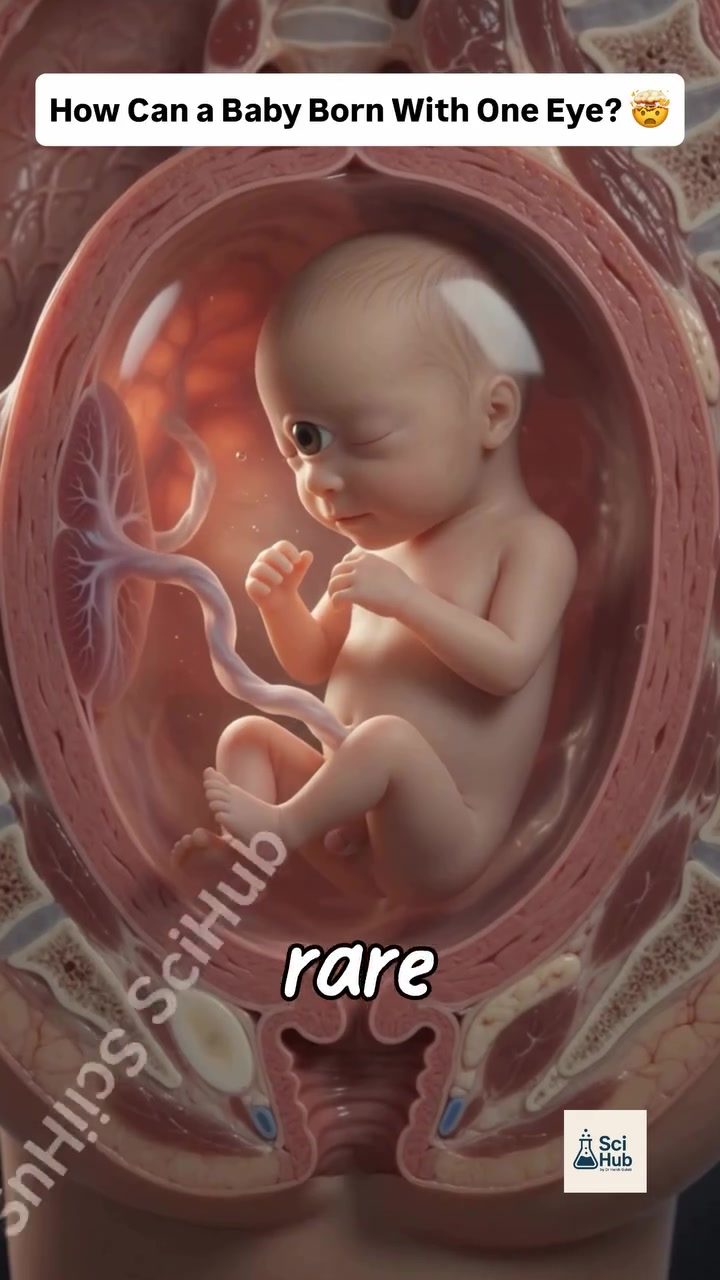
Cyclopia: A Rare Condition
Cyclopia is an extremely rare congenital condition in which a baby is born with a single, centrally positioned eye. This condition is not well-known to the general public, but it provides a fascinating insight into the complexities of early fetal development. Cyclopia occurs during the earliest weeks of pregnancy, when the developing brain fails to divide into two halves as it normally would. This lack of separation leads to a single eye and a range of other severe facial and brain abnormalities.
Why This Matters
Understanding the intricacies of Cyclopia offers a glimpse into the precision required for normal human development. Every organ, every feature, and every tiny detail in our bodies depends on thousands of perfectly timed steps during the earliest weeks of pregnancy. This condition is a poignant reminder of the delicate balance that governs fetal development.
Inside the Condition
Developmental Process
In a healthy pregnancy, the developing brain separates into two halves. This division is crucial for the formation of two distinct eyes and facial structures. However, in Cyclopia, this separation does not occur. As a result, the brain and facial structures develop abnormally, leading to a single, centrally positioned eye.
Causes
Cyclopia is linked to complex genetic or developmental changes. It is often associated with severe abnormalities in early brain development. The condition is extremely rare, and most affected pregnancies do not survive, making it one of the rarest developmental conditions known in medicine. Despite extensive research, the exact causes of Cyclopia remain unclear. Factors such as genetic mutations, environmental influences, and complications in early embryonic development are suspected to play a role.
Symptoms and Diagnosis
The primary symptom of Cyclopia is the presence of a single, centrally positioned eye. This condition is usually diagnosed during early prenatal ultrasounds or through genetic testing. Cyclopia is often associated with other severe congenital abnormalities, including brain malformations, facial deformities, and cardiovascular issues.
Prognosis
Given the severity of the abnormalities, the prognosis for Cyclopia is generally poor. Most pregnancies affected by this condition do not result in live births. For those rare cases where a baby is born with Cyclopia, the prognosis is severely compromised. The challenges associated with this condition make it one of the rarest and most tragic developmental anomalies.
Practical Tips
Prevention
While there is no known way to prevent Cyclopia, maintaining a healthy lifestyle during pregnancy can support normal fetal development. Prenatal care, including regular checkups, a balanced diet, and adequate folic acid intake, can help ensure the health of both the mother and the developing fetus. Though there is no certain way to guarantee a healthy pregnancy, adhering to recommendations from healthcare providers can significantly reduce the risk of various birth defects.
Support for Parents
For parents who are dealing with a diagnosis of Cyclopia, seeking support from healthcare professionals and support groups is crucial. Genetic counseling can provide valuable information and emotional support. Additionally, reaching out to organizations that specialize in rare conditions can offer resources and a sense of community.
Important Takeaways
Cyclopia is an exceptionally rare congenital condition that affects the early stages of fetal development. This condition is marked by the presence of a single, centrally positioned eye and various other severe abnormalities. It serves as a reminder of the intricate processes involved in human development and the delicate balance required for normal growth.
Conclusion
Cyclopia provides a glimpse into the complex and delicate nature of fetal development. This condition, though rare, underscores the importance of regular prenatal care and healthy lifestyle habits. By understanding Cyclopia, we gain a deeper appreciation for the intricacies of human development and the critical steps involved in ensuring a healthy pregnancy.
Watch the Reel
Questions readers ask
What exactly is Cyclopia and how rare is it?
Cyclopia is a rare pregnancy condition where a baby is born with a single, centrally located eye. It is extremely rare, with estimates suggesting that it occurs in approximately 1 in 10,000 to 1 in 16,000 pregnancies.
How does Cyclopia occur during pregnancy?
Cyclopia occurs during the very early stages of pregnancy, typically within the first few weeks. The condition results from the failure of the developing brain to divide into two distinct halves, a process that is crucial for normal facial and brain development.
What are the facial and brain abnormalities associated with Cyclopia?
In addition to the single, centrally positioned eye, Cyclopia is often accompanied by severe facial and brain abnormalities. These can include the absence of a nose, underdeveloped or malformed brain structures, and other significant developmental issues.
Can Cyclopia be detected before birth?
Yes, in many cases, Cyclopia can be detected through prenatal ultrasounds, typically around 10 to 13 weeks of pregnancy. However, early detection can vary depending on the specific circumstances and the quality of the ultrasound.
What causes the brain to fail to divide properly during fetal development?
The exact cause of the failure in brain division leading to Cyclopia is not fully understood. It is believed to be related to genetic factors, environmental influences, or a combination of both.
Is there any treatment available for Cyclopia?
Currently, there is no treatment available to correct Cyclopia. Due to the severe nature of the condition, it is often fatal within the first few days or weeks of life.
Can Cyclopia be prevented?
Given the lack of understanding about the exact causes of Cyclopia, there are no known prevention strategies. However, maintaining a healthy lifestyle and regular prenatal care can support overall fetal health.
Related deep dives
Similar reads based on topic and creator.



Recent articles
Fresh deep dives from the latest Reels we unpacked.




Comments
Be the first to comment.