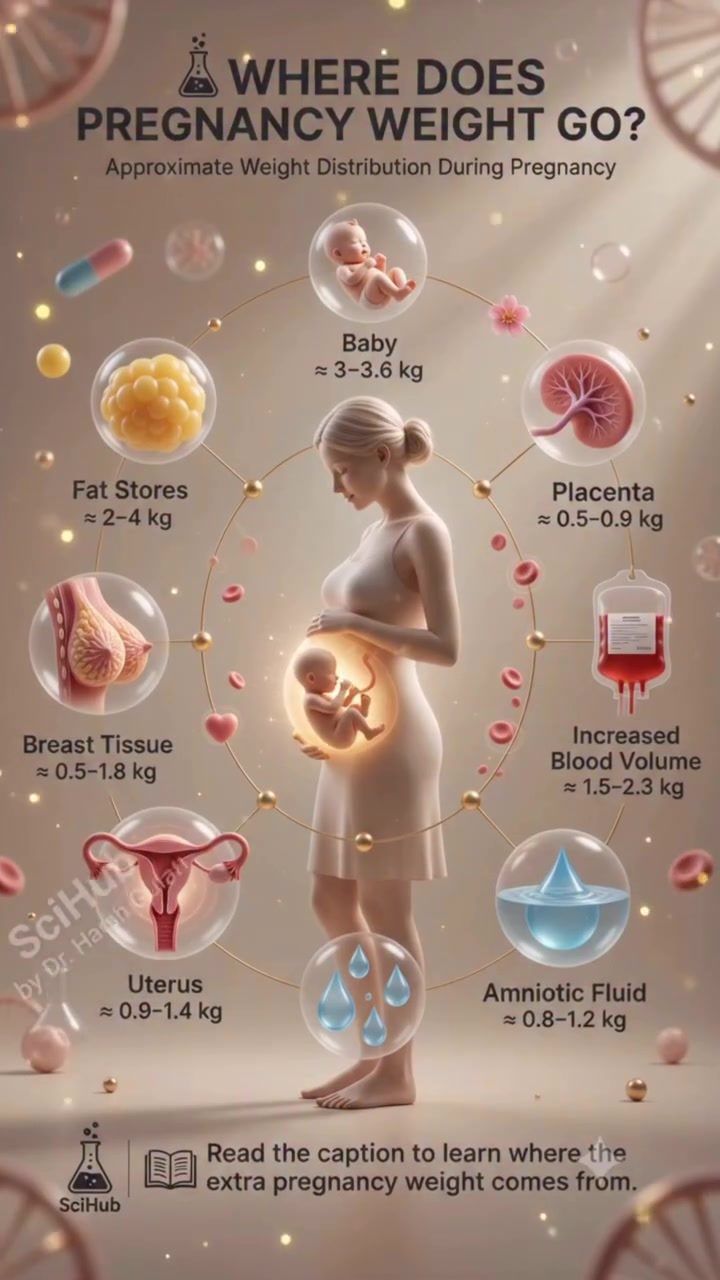
Pregnancy Weight Distribution
Pregnancy weight is a multifaceted topic, encompassing not only the growing baby but also the various physiological changes that the mother's body undergoes. Understanding where the extra weight comes from can provide insight into the complex processes of pregnancy.
Why This Matters
Knowing how pregnancy weight is distributed and the reasons behind it can alleviate concerns about weight gain. Every pregnancy is unique, and factors such as maternal health, nutrition, pre-pregnancy body mass index (BMI), and whether the pregnancy involves one baby or multiples can influence the total weight gain and its distribution. This knowledge can help expectant mothers better manage their health and address any concerns they may have.
Main discussion
Breakdown of Weight Distribution
Pregnancy weight is distributed across several key components. Understanding these can offer a clearer picture of what’s happening inside the body.
Baby
The most obvious and exciting component of pregnancy weight is the baby. By the time of birth, the baby typically accounts for approximately 3 to 3.6 kilograms. This range includes the baby's body and the surrounding amniotic fluid and placenta.
Fat Stores
Fat stores contribute significantly to pregnancy weight, adding around 2 to 4 kilograms. This energy reserve is crucial for supporting the baby's development and providing energy for breastfeeding after birth. Pregnancy requires a substantial amount of energy, and these fat stores ensure that both the mother and the baby have sufficient nutrients.
Placenta
The placenta plays a vital role in supporting the baby's development. It connects the baby to the mother's uterus and supplies the baby with oxygen and nutrients from the mother's blood. The placenta itself weighs roughly 0.5 to 0.9 kilograms, adding to the total pregnancy weight.
Breast Tissue
Breast tissue increases by approximately 0.5 to 1.8 kilograms. This change prepares the breasts for lactation and helps the body get ready for breastfeeding. The increase in breast tissue is part of the body’s natural adaptation to support the baby's nutritional needs.
Increased Blood Volume
Increased blood volume is another important factor in pregnancy weight gain. The body produces more blood to support the growing baby, adding about 1.5 to 2.3 kilograms. This increase ensures that the baby receives adequate oxygen and nutrients.
Uterus
The uterus expands significantly during pregnancy to accommodate the growing baby. This expansion adds roughly 0.9 to 1.4 kilograms to the total pregnancy weight. The uterus must stretch to hold the baby, placenta, and amniotic fluid, making it a crucial part of the weight distribution.
Amniotic Fluid
Amniotic fluid surrounds and protects the baby in the womb. This fluid, which accounts for 0.8 to 1.2 kilograms, provides a cushion, helps maintain a consistent temperature, and supports the baby's development. The fluid is essential for the baby’s growth and health.
Practical Tips
Monitoring Weight Gain
While the average weight distribution provides a general guideline, it’s important to remember that every pregnancy is different. Regular check-ups with an obstetrician or healthcare provider can help monitor weight gain and ensure that both the mother and the baby are healthy. Keeping track of weight gain can also help address any concerns early on.
Staying Healthy
Maintaining a balanced diet and engaging in regular, moderate exercise can support healthy weight gain during pregnancy. Consulting with a nutritionist or healthcare provider can provide personalized advice tailored to individual needs.
Addressing Concerns
If there are concerns about weight gain, it’s essential to consult a healthcare provider. They can offer guidance and reassurance based on individual health and pregnancy specifics. This personalized medical advice can help manage any worries and ensure the best outcomes for both the mother and the baby.
Important Takeaways
- Pregnancy weight is distributed across the baby, fat stores, placenta, breast tissue, increased blood volume, uterus, and amniotic fluid.
- Understanding weight distribution can provide insight into the body’s adaptations during pregnancy.
- Regular check-ups and personalized advice from a healthcare provider can help manage weight gain effectively.
Conclusion
Pregnancy weight gain is a natural and essential part of the process. Knowing where the extra weight comes from can offer reassurance and help manage expectations. By understanding the various components of pregnancy weight distribution, expectant mothers can better appreciate the incredible adaptations their bodies undergo to support their growing babies. Regular check-ups and personalized advice from healthcare providers can ensure a healthy and satisfying pregnancy journey.
Watch the Reel
Questions readers ask
What are the main components of pregnancy weight gain?
Pregnancy weight gain consists of several components, including the baby, placenta, amniotic fluid, increased breast tissue, fat stores, and expanded uterine tissue. Additionally, there is an increase in blood volume and other bodily fluids.
How much of the pregnancy weight is the baby?
The baby typically accounts for about 7-8 pounds (3.1-3.6 kilograms) of the total weight gain by the end of the pregnancy. This can vary depending on the baby's size and the stage of pregnancy.
Why do fat stores increase during pregnancy?
Fat stores increase during pregnancy to support the energy needs of the mother and the growing baby. These stores provide a crucial energy reserve for breastfeeding and help the body recover after childbirth. The amount of fat gained can vary based on pre-pregnancy weight and overall health.
What is the purpose of increased blood volume during pregnancy?
The increase in blood volume during pregnancy, which can add up to 4 pounds (1.8 kilograms) to the total weight gain, is essential for supporting the growing baby and the placenta. It helps to ensure that the mother and baby receive adequate oxygen and nutrients, preparing her body for labor and delivery.
How does the weight of the uterus change during pregnancy?
The uterus expands significantly during pregnancy, contributing about 2 pounds (0.9 kilograms) to the total weight gain. This expansion is necessary to accommodate the growing baby and prepare for childbirth. The uterus returns to its pre-pregnancy size gradually after delivery, and it can take about 6-8 weeks.
What factors influence the distribution of pregnancy weight?
Several factors influence the distribution of pregnancy weight, including maternal health, nutrition, pre-pregnancy body mass index (BMI), and whether the pregnancy involves one baby or multiples. These factors can affect the overall weight gain and where the weight is distributed in the body.
How can understanding pregnancy weight distribution help expectant mothers?
Understanding where the extra weight comes from can help expectant mothers manage their expectations and alleviate concerns about weight gain. This knowledge can also help them better manage their health and address any concerns they may have throughout their pregnancy and postpartum journey.
Related deep dives
Similar reads based on topic and creator.

Recent articles
Fresh deep dives from the latest Reels we unpacked.




Comments
Be the first to comment.