Prediabetes: Early Warning Signs You Should Never Ignore
Prediabetes is a condition that often develops silently, but it can manifest through various early warning signs. Recognizing these symptoms is crucial for early intervention and management. Prediabetes occurs when blood sugar levels are higher than normal, but not yet high enough to be diagnosed as type 2 diabetes. This condition can often be delayed or even reversed with lifestyle changes, making it essential to be aware of the signs.
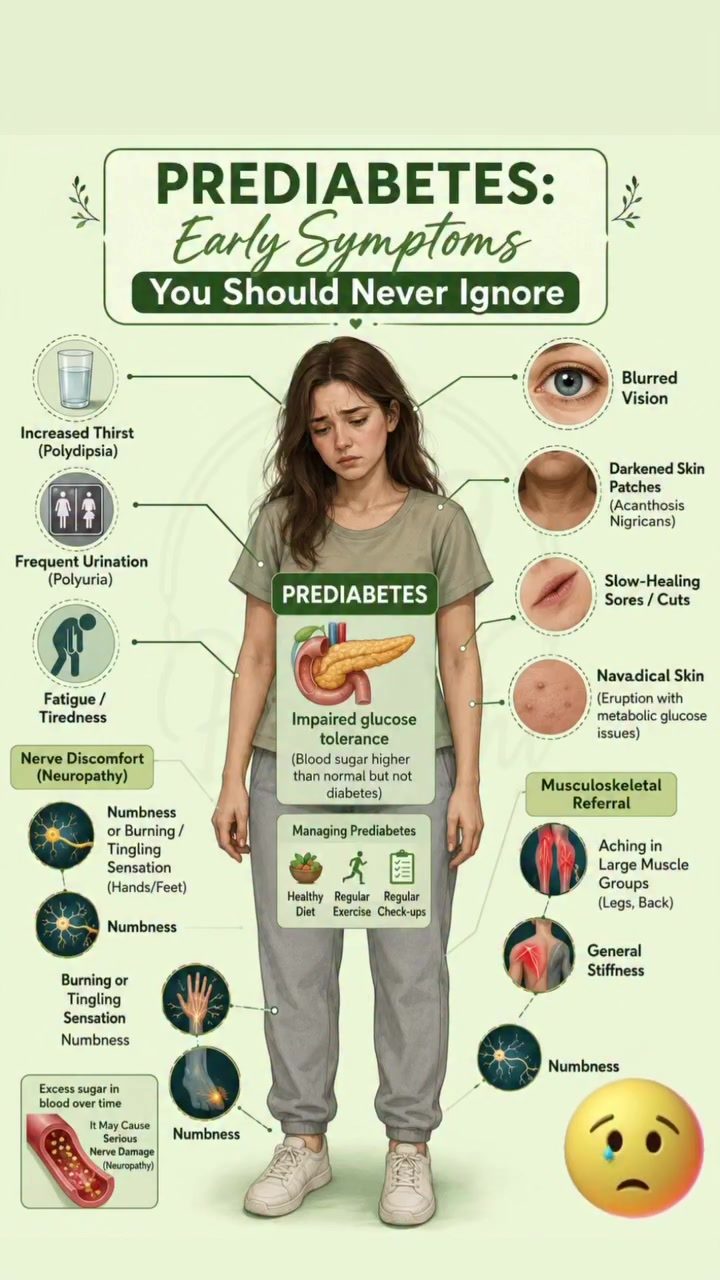
Prediabetes often goes unnoticed because its symptoms can be subtle and easily overlooked. Some of the early warning signs include increased thirst, frequent urination, fatigue, blurred vision, darkened skin patches, and slow-healing wounds. Other symptoms like tingling or numbness in the hands and feet, and muscle aches can also be associated with elevated blood sugar levels.
What are the Early Symptoms of Prediabetes?
Increased Thirst and Frequent Urination
Increased thirst, known medically as polydipsia, and frequent urination, or polyuria, are common early symptoms of prediabetes. When blood sugar levels are high, the body tries to flush out the excess sugar through urine, leading to dehydration and the need to drink more water. This cycle can result in frequent trips to the bathroom, disrupting daily routines and sleep patterns.
Fatigue and Tiredness
Feeling unusually tired or fatigued can be a sign of prediabetes. Elevated blood sugar levels can interfere with the body's ability to use glucose for energy, leading to persistent fatigue. This can affect daily activities and overall quality of life, making it difficult to maintain a healthy lifestyle.
Nerve Discomfort and Numbness
Nerve discomfort, including numbness, tingling, or burning sensations in the hands and feet, can be early indicators of prediabetes. High blood sugar levels can damage nerves over time, leading to these uncomfortable symptoms. This condition, known as neuropathy, can worsen if prediabetes progresses to type 2 diabetes, making early detection and management crucial.
Skin Changes and Darkened Patches
Skin changes, such as darkened patches (acanthosis nigricans), can also be a sign of prediabetes. These patches often appear in the armpits, neck, or groin area and are a result of insulin resistance. This condition occurs when the body becomes resistant to the effects of insulin, leading to elevated blood sugar levels.
Blurred Vision
Elevated blood sugar levels can also cause blurred vision. High blood sugar can cause the lens of the eye to swell, leading to temporary vision changes. While this symptom can be alarming, it is often reversible with proper management of blood sugar levels.
Slow-Healing Sores and Cuts
Slow-healing sores, cuts, or wounds can be another early sign of prediabetes. High blood sugar levels can impair the body's ability to heal, leading to prolonged recovery times for injuries. This can increase the risk of infections and other complications if left untreated.
Muscle Aches and General Stiffness
Muscle aches and general stiffness can also be associated with prediabetes. Elevated blood sugar levels can cause inflammation and damage to muscles and joints, leading to discomfort and reduced mobility. This symptom can be particularly noticeable in large muscle groups, such as the legs and back.
Why This Matters
Prediabetes is a significant health concern because it increases the risk of developing type 2 diabetes, heart disease, and other serious health complications. However, the good news is that prediabetes can often be managed or even reversed with lifestyle changes. This includes a balanced diet, regular physical activity, maintaining a healthy weight, and routine blood sugar screening. These steps can help prevent the progression to type 2 diabetes and improve overall health.
How to Manage Prediabetes
Healthy Diet
A balanced diet is essential for managing prediabetes. Focusing on whole foods, such as fruits, vegetables, lean proteins, and whole grains, can help regulate blood sugar levels. Avoiding processed foods, sugars, and unhealthy fats can also support overall health and reduce the risk of complications.
Regular Exercise
Regular physical activity is another key component of managing prediabetes. Exercise helps the body use glucose for energy, reducing blood sugar levels and improving insulin sensitivity. Aim for at least 30 minutes of moderate-intensity exercise most days of the week, such as brisk walking, cycling, or swimming. Strength training exercises can also be beneficial for maintaining muscle mass and improving metabolism.
Regular Check-ups
Regular check-ups with a healthcare professional are essential for monitoring blood sugar levels and managing prediabetes. Routine blood sugar screening can help detect changes early, allowing for timely interventions and adjustments to treatment plans. Consulting a healthcare professional can also provide personalized advice and support for managing prediabetes effectively.
Practical Tips for Managing Prediabetes
Managing prediabetes requires a comprehensive approach that addresses diet, exercise, and overall lifestyle. Here are some practical tips to help manage prediabetes effectively:
1. Monitor Blood Sugar Levels
Regularly monitoring blood sugar levels can provide valuable insights into how diet and exercise affect glucose control. Keeping a log of blood sugar readings can help identify patterns and make necessary adjustments to the management plan.
2. Stay Hydrated
Drinking plenty of water can help regulate blood sugar levels and support overall health. Aim for at least 8 glasses of water per day, and more if engaging in physical activity or living in a hot climate.
3. Manage Stress
Chronic stress can affect blood sugar levels and overall health. Incorporating stress- management techniques, such as meditation, deep breathing, or yoga, can help reduce stress and improve blood sugar control.
4. Get Adequate Sleep
Adequate sleep is essential for regulating hormones and supporting overall health. Aim for 7-9 hours of quality sleep per night, and maintain a consistent sleep schedule to support blood sugar management.
5. Limit Alcohol and Avoid Smoking
Limiting alcohol consumption and avoiding smoking can help reduce the risk of complications and support overall health. Alcohol can interfere with blood sugar regulation, while smoking can increase the risk of heart disease and other health issues.
Important Takeaways
- Prediabetes can manifest through various early warning signs, including increased thirst, frequent urination, fatigue, blurred vision, darkened skin patches, slow-healing wounds, and muscle aches.
- Recognizing these symptoms is crucial for early intervention and management.
- Prediabetes can be managed or even reversed with lifestyle changes, including a balanced diet, regular physical activity, maintaining a healthy weight, and routine blood sugar screening.
- Regular check-ups with a healthcare professional are essential for monitoring blood sugar levels and managing prediabetes effectively.
Conclusion
Prediabetes is a condition that requires attention and proactive management. By recognizing the early warning signs and taking proactive steps, individuals can significantly reduce their risk of developing type 2 diabetes and other serious health complications. A balanced diet, regular exercise, and routine check-ups are key components of managing prediabetes effectively. If you notice any of the symptoms or have risk factors, consult a healthcare professional and get your blood sugar checked. Early detection and management can make a significant difference in overall health and well-being.
Watch the Reel
Questions readers ask
What are some of the early signs of prediabetes that I should be aware of?
Early signs of prediabetes can be subtle but include increased thirst, frequent urination, fatigue, blurred vision, and slow-healing wounds. Pay attention to these symptoms, as they can indicate elevated blood sugar levels.
Why is it important to recognize these early warning signs?
Recognizing early warning signs is crucial for timely intervention. Prediabetes can often be managed or even reversed with lifestyle changes, making early detection key to preventing the onset of type 2 diabetes.
How can increased thirst and frequent urination be related to prediabetes?
Increased thirst and frequent urination are common symptoms of elevated blood sugar levels. When blood sugar levels are high, the kidneys work harder to absorb the excess sugar, leading to more urine production and increased thirst.
What are some lifestyle changes that can help manage prediabetes?
Adopting a healthy diet, engaging in regular physical activity, and maintaining a healthy weight can significantly improve blood sugar levels. Regular check-ups with a healthcare provider are also important for monitoring blood sugar levels and making necessary adjustments to your lifestyle.
Can prediabetes cause skin problems?
Yes, prediabetes can sometimes cause skin problems. Darkened skin patches, often in the armpits and neck, are a common sign. This condition is known as acanthosis nigricans and is linked to insulin resistance, which is a hallmark of prediabetes.
What should I do if I experience symptoms like tingling or numbness in my hands?
Tingling or numbness in the hands can be a sign of nerve discomfort, which is associated with prediabetes. If you experience these symptoms, it's important to consult a healthcare professional for a thorough evaluation and to discuss potential lifestyle changes or medical interventions.
Recent articles
Fresh deep dives from the latest Reels we unpacked.




Comments
Be the first to comment.