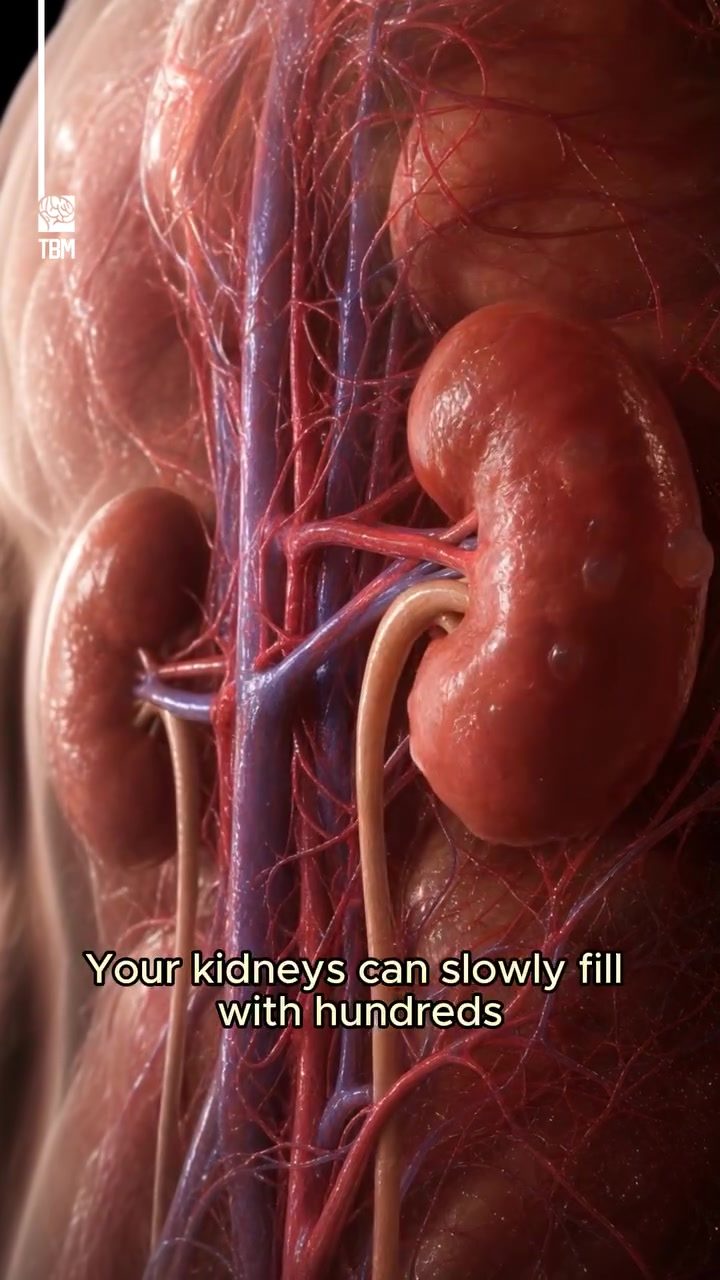
Polycystic Kidney Disease: Understanding the Silent Condition
Polycystic kidney disease (PKD) is a genetic disorder that causes numerous fluid-filled cysts to develop and grow within the kidneys. This condition can progress silently for decades, slowly replacing healthy kidney tissue with cysts and impairing the kidneys' ability to filter waste and excess fluid from the blood. The most common form of PKD, known as autosomal dominant PKD, is inherited and presents a 50% chance of being passed from an affected parent to their child, which adds significant hereditary implications.
Why This Matters
Understanding PKD is crucial for those who may be at risk due to family history, as early detection and management can significantly impact the progression of the disease. While PKD has no cure, various strategies can slow its progression and help preserve kidney function for a longer period. This information can empower individuals to take proactive steps in monitoring and managing their kidney health.
How PKD Affects the Kidneys
The Development of Cysts
PKD is characterized by the development of multiple cysts within the kidneys. These cysts are fluid-filled sacs that can vary in size, from microscopic to several centimeters in diameter. As these cysts grow and multiply, they gradually replace the healthy kidney tissue that is essential for proper filtration of waste and excess fluid from the blood.
Impact on Kidney Function
As the cysts expand, they cause the kidneys to enlarge. This enlargement impairs the kidneys' ability to filter blood, leading to a decline in kidney function over time. The enlarged kidneys may also cause discomfort or pain in the back or sides, and other symptoms can develop as the disease progresses.
Symptoms and Complications
In the early stages, PKD often goes undetected due to the absence of symptoms. However, as the disease advances, several signs and complications may arise, including:
Early Symptoms
- High blood pressure
- Pain in the back or sides
- Blood in the urine
Later Symptoms
- Kidney stones
- Frequent urinary tract infections
- Liver cysts (in some individuals)
- Brain aneurysms (increased risk in some individuals)
Forms of PKD and Inheritance
The most common form of PKD is autosomal dominant PKD (ADPKD), which accounts for about 90% of all cases. In ADPKD, each child of an affected parent has a 50% chance of inheriting the condition. This form of PKD can cause cysts in organs other than the kidneys, such as the liver. Additionally, it can increase the risk of brain aneurysms in some individuals.
Managing and Monitoring PKD
Medical Interventions
While there is no cure for PKD, various medical interventions can help manage the condition and slow its progression. These include medications to control blood pressure, as well as treatments to manage symptoms and complications. Regular monitoring and careful control of blood pressure are crucial in slowing the progression of PKD and preserving kidney function.
Lifestyle Changes
Adopting healthy lifestyle habits can also play a significant role in managing PKD. This includes:
- Maintaining a balanced diet
- Regular physical activity
- Avoiding smoking and excessive alcohol consumption
- Staying hydrated
Regular Monitoring
Regular monitoring through medical check-ups and diagnostic tests, such as imaging studies, is essential for tracking the progression of PKD and adjusting treatment plans as needed. Early detection and proactive management can help mitigate the impact of PKD on kidney function and overall health.
Important Takeaways
PKD is a complex genetic disorder that can silently progress over many years, causing significant changes to the kidneys and overall health. Key points to remember include:
- PKD is an inherited disorder that causes fluid-filled cysts to develop in the kidneys.
- The most common form, autosomal dominant PKD, has a 50% inheritance risk from an affected parent.
- Early detection and management are crucial for slowing the progression of the disease.
- Symptoms can vary widely and may include high blood pressure, back or side pain, blood in the urine, kidney stones, and frequent urinary tract infections.
- While there is no cure, medications, blood pressure control, healthy lifestyle habits, and regular monitoring can help manage the condition and preserve kidney function.
Conclusion
Polycystic kidney disease is a significant health concern that requires vigilant monitoring and proactive management. By understanding the underlying mechanisms of PKD, its symptoms, and the available treatment options, individuals can take control of their health and mitigate the impact of this condition. Proactive measures, including regular medical check-ups, lifestyle adjustments, and adherence to prescribed treatments, can contribute to better long-term outcomes for those living with PKD.
Watch the Reel
Questions readers ask
What are the early symptoms of Polycystic Kidney Disease (PKD)?
Early symptoms of PKD are often mild and non-specific, which can make them easy to overlook. Some people may experience abdominal pain, back pain, or a feeling of fullness in the abdomen. Others may notice blood in the urine or an increased need to urinate, especially at night. Regular check-ups and discussing family medical history with a healthcare provider can help in early detection.
How is Polycystic Kidney Disease (PKD) inherited?
PKD is primarily inherited through a dominant genetic mutation, specifically autosomal dominant PKD, which means that if one parent is affected, there is a 50% chance that the child will inherit the condition. It is important to note that PKD can also occur spontaneously due to a random genetic mutation, even without a family history of the disease. The majority of PKD cases are diagnosed in adults between the ages of 30 and 40, though symptoms can appear at any age.
What are the main risks associated with Polycystic Kidney Disease (PKD)?
The primary risk of PKD is progressive kidney function decline, which can lead to kidney failure. Additionally, the fluid-filled cysts in the kidneys can cause serious complications, such as urinary tract infections, kidney stones, and even kidney cancer. Other organs, such as the liver and pancreas, may also develop cysts, further complicating the condition.
Can Polycystic Kidney Disease (PKD) be prevented?
PKD is a genetic disorder, so it cannot be prevented in the way that diseases caused by lifestyle factors can. However, individuals with a family history of PKD can take proactive steps to manage their kidney health. Regular medical check-ups, maintaining a healthy lifestyle, and avoiding factors that can damage the kidneys, such as smoking and excessive alcohol consumption, can help slow the progression of the disease.
How can PolyCystic Kidney Disease (PKD) be managed?
While there is no cure for PKD, it can be managed effectively through a combination of strategies. These include monitoring blood pressure, controlling pain, and managing complications such as urinary tract infections. In some cases, medications may be prescribed to control blood pressure or manage symptoms. In advanced stages, dialysis or kidney transplant may be necessary to maintain kidney function.
What are some tips for promoting kidney health?
Promoting kidney health involves a combination of lifestyle choices and regular medical care. This includes staying hydrated, maintaining a balanced diet, engaging in regular physical activity, and avoiding harmful substances like tobacco and excessive alcohol. Regular check-ups, especially for those with a family history of PKD, can help monitor kidney function and detect any issues early.
Can Polycystic Kidney Disease (PKD) affect other organs besides the kidneys?
Yes, PKD can affect other organs in addition to the kidneys. The same genetic mutations that cause cysts in the kidneys can also lead to the development of cysts in other organs, such as the liver, pancreas, and, in some cases, the spleen. These cysts can cause additional complications and symptoms, requiring careful management and monitoring by healthcare providers.
Related deep dives
Similar reads based on topic and creator.


Recent articles
Fresh deep dives from the latest Reels we unpacked.




Comments
Be the first to comment.