Period Cramps Explained
Period cramps are a common—and often uncomfortable—experience for many people with a uterus. Understanding the biological processes behind these cramps can help demystify the discomfort and foster a greater appreciation for the body's natural functions.
Why This Matters
Menstrual cramps, medically known as dysmenorrhea, affect a significant portion of the population. They can range from mild to severe, impacting daily activities and overall well-being. Recognizing the underlying mechanisms of these cramps can lead to better management and a more positive menstrual experience.
Main Discussion
The Role of the Uterus
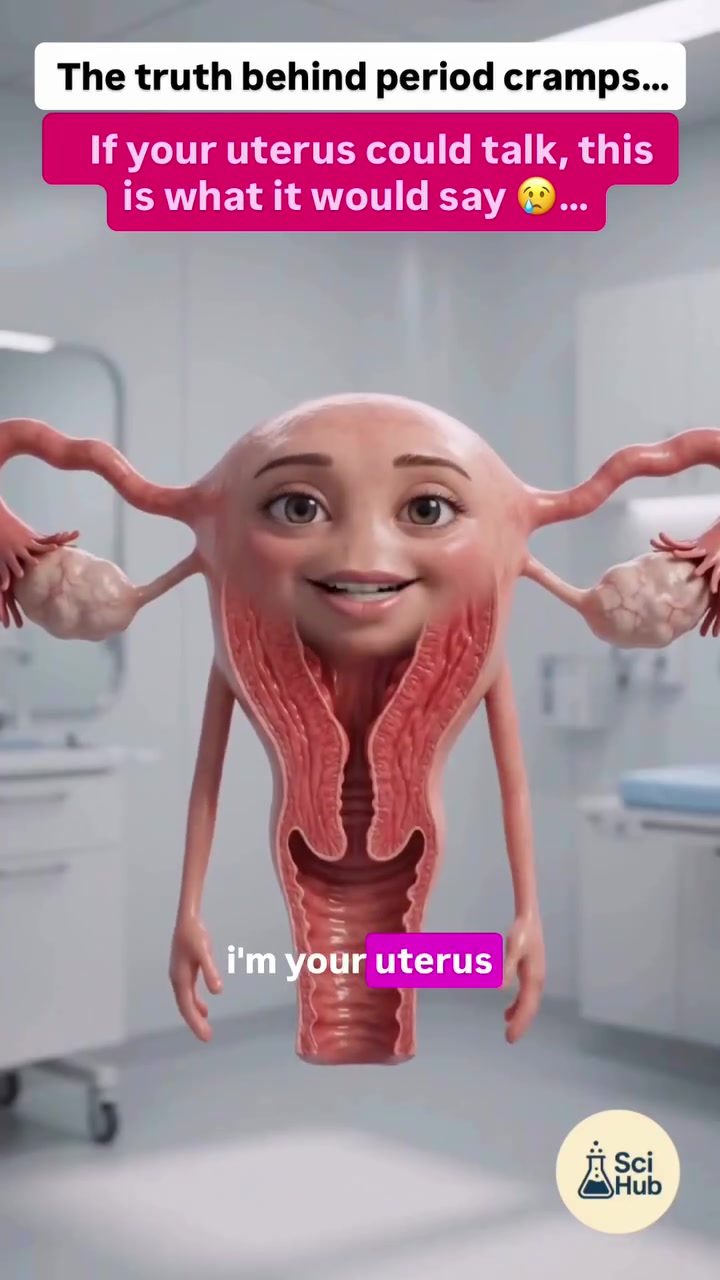
The uterus plays a crucial role in the menstrual cycle. Every month, it prepares a thick, soft lining to support a potential pregnancy. This lining is rich in blood vessels and nutrients, creating an optimal environment for a fertilized egg. If conception does not occur, the body sheds this lining through menstruation. This process involves the uterus contracting to expel the old lining, which can result in the sensation of cramps.
The Science Behind Cramps
Menstrual cramps are primarily caused by the uterus's contractions. These contractions help to detach and expel the uterine lining. The process involves the release of prostaglandins, hormone-like substances that trigger muscle contractions. While these contractions are essential for shedding the uterine lining, they can also cause discomfort, ranging from mild to severe.
Understanding the Menstrual Cycle
The menstrual cycle consists of several phases, each with distinct hormonal fluctuations:
- Follicular Phase: This phase begins on the first day of menstruation and lasts until ovulation. During this time, the uterus prepares for a potential pregnancy by building up its lining.
- Ovulation: Around day 14 of a typical 28-day cycle, an egg is released from the ovary and travels through the fallopian tube.
- Luteal Phase: If the egg is not fertilized, the lining begins to break down, leading to menstruation. This phase is characterized by rising levels of progesterone, which help prepare the uterine lining for potential implantation.
Individual Variations in Cramps
The severity of menstrual cramps can vary greatly among individuals. Some people experience mild discomfort, while others suffer from debilitating pain. Factors influencing the intensity of cramps include:
- Hormonal Levels: Higher levels of prostaglandins can lead to more intense contractions and greater discomfort.
- Uterine Position and Shape: Variations in the uterus's position and shape can affect the distribution of pain.
- Overall Health: Conditions like endometriosis or fibroids can exacerbate menstrual cramps.
Practical Tips
Managing Period Cramps
While menstrual cramps are a natural part of the menstrual cycle, there are several strategies to help manage the discomfort:
- Pain Relievers: Over-the-counter pain relievers like ibuprofen or naproxen sodium can help reduce cramps by lowering prostaglandin levels.
- Heat Therapy: Applying a heating pad or hot water bottle to the lower abdomen can relax uterine muscles and alleviate pain.
- Exercise: Gentle exercises like walking, yoga, or swimming can improve blood flow and reduce cramps.
- Hydration and Nutrition: Staying hydrated and eating a balanced diet rich in fruits, vegetables, and whole grains can support overall health and potentially reduce cramp severity.
- Stress Management: Techniques like deep breathing, meditation, and progressive muscle relaxation can help manage stress and alleviate cramps.
When to Seek Medical Help
Although menstrual cramps are usually a normal part of the menstrual cycle, severe pain or cramps that interfere with daily activities should be evaluated by a healthcare provider. Conditions such as endometriosis, uterine fibroids, or pelvic inflammatory disease can cause significant pain and may require medical intervention.
Important Takeaways
- Natural Process: Menstrual cramps are a natural part of the menstrual cycle, resulting from the uterus's contractions as it sheds its lining.
- Individual Experiences: The severity of cramps can vary widely, influenced by factors such as hormonal levels, uterine structure, and overall health.
- Management Techniques: Various strategies, including pain relievers, heat therapy, exercise, and stress management, can help alleviate menstrual cramps.
Conclusion
Menstrual cramps, while often uncomfortable, are a natural part of the body's reproductive cycle. By understanding the biological processes behind cramps and employing effective management strategies, individuals can better navigate this monthly experience. Recognizing the uterus's role in preparing for potential pregnancy and the natural shedding of its lining can foster a greater appreciation for the body's incredible functionality.
Watch the Reel
Questions readers ask
What are period cramps and what causes them?
Period cramps, also known as dysmenorrhea, are painful sensations in the lower abdomen that occur during menstruation. They are primarily caused by uterine contractions, which help expel the uterine lining. These contractions are triggered by prostaglandins, hormone-like substances that are released when the uterus begins to shed its lining.
Why do some people experience more severe period cramps than others?
The severity of period cramps can vary greatly due to factors like hormone levels, the amount of prostaglandins produced, and individual pain tolerance. Additionally, underlying conditions such as endometriosis or uterine fibroids can exacerbate menstrual pain.
What are some effective ways to manage period pain?
There are several strategies to manage period pain. Over-the-counter pain relievers like ibuprofen or naproxen can reduce cramps. Applying heat to the lower abdomen, engaging in light exercise, and practicing relaxation techniques such as deep breathing or yoga can also provide relief. Maintaining a healthy lifestyle, including a balanced diet and regular sleep, can contribute to better management of menstrual symptoms.
How can I prepare for my period to minimize discomfort?
Preparing for your period involves tracking your menstrual cycle to anticipate when it will start. Stocking up on menstrual products, planning comfortable clothing, and ensuring you have access to pain relief methods can make the experience more manageable. Additionally, maintaining good overall health and reducing stress levels can help ease period symptoms.
Are there any home remedies that can help with period cramps?
Yes, several home remedies can provide relief from period cramps. Applying a heating pad or hot water bottle to the lower abdomen can relax the muscles and reduce pain. Herbal teas, such as ginger or chamomile, can have soothing effects. Gentle exercises like walking or stretching can also alleviate discomfort.
What role does the uterus play in the menstrual cycle?
The uterus plays a central role in the menstrual cycle by preparing a thick, soft lining each month to support a potential pregnancy. If pregnancy does not occur, the uterus sheds this lining through menstrual bleeding, a process facilitated by uterine contractions that can cause cramps.
Related deep dives
Similar reads based on topic and creator.

Recent articles
Fresh deep dives from the latest Reels we unpacked.




Comments
Be the first to comment.