Peptic Ulcers: Causes, Symptoms, and Treatment
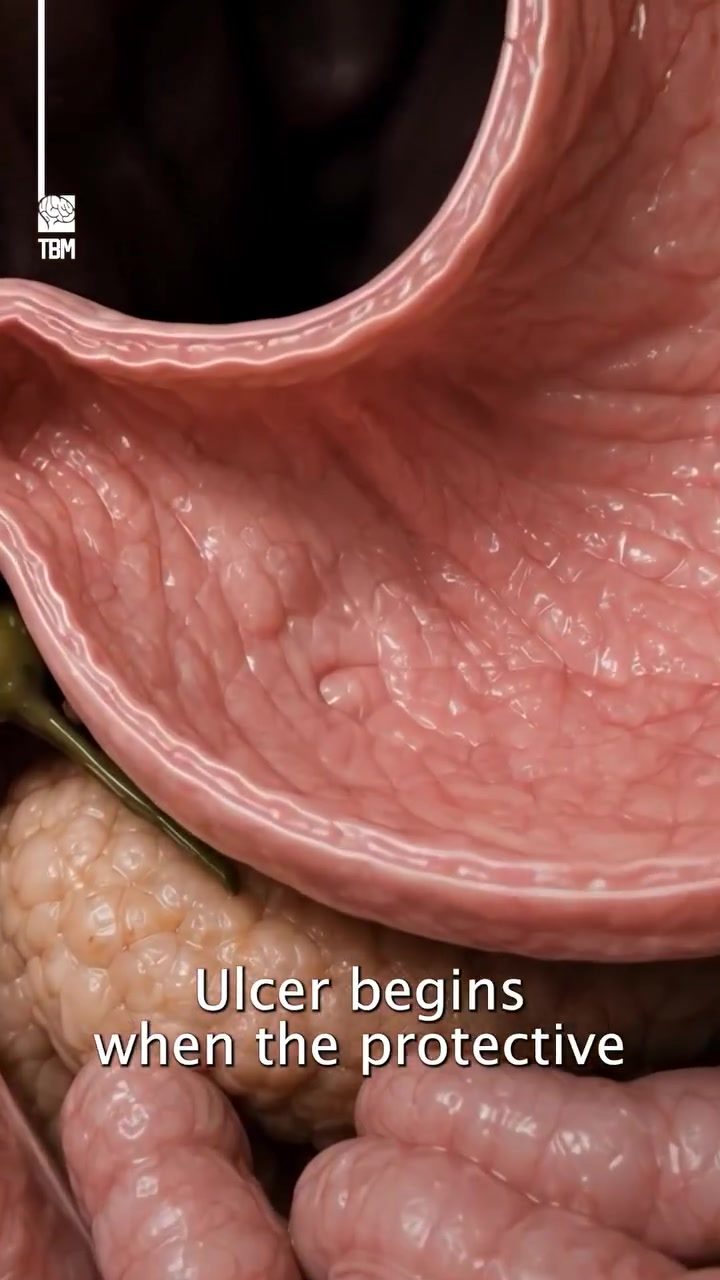
Peptic ulcers are sores that develop on the inner lining of the stomach or the upper part of the small intestine. These ulcers can cause significant discomfort and, if left untreated, lead to serious complications. Understanding the causes, symptoms, and treatment options for peptic ulcers is crucial for managing this condition effectively.
Why This Matters
Stomach pain is a common complaint, but it's important to recognize when it might be more than just temporary discomfort. Peptic ulcers can develop due to various factors, many of which are related to everyday habits. Identifying these habits and understanding how they contribute to ulcer formation can help prevent future occurrences and promote better digestive health.
Causes of Peptic Ulcers
Bacterial Infection
One of the primary causes of peptic ulcers is infection with Helicobacter pylori (H. pylori) bacteria. This bacterium can weaken the protective mucus layer that shields the stomach lining from digestive acids. Once this defense is compromised, stomach acid and digestive enzymes can attack the underlying tissue, leading to the formation of an ulcer.
Medication Use
Long-term use of certain painkillers, such as nonsteroidal anti-inflammatory drugs (NSAIDs), can also increase the risk of developing peptic ulcers. These medications can irritate the stomach lining, making it more susceptible to damage from digestive acids. Common NSAIDs include aspirin, ibuprofen, and naproxen.
Lifestyle Factors
Lifestyle choices play a significant role in the development of peptic ulcers. Smoking and excessive alcohol consumption can weaken the stomach's protective lining, making it more vulnerable to damage. These habits can exacerbate existing ulcers and make them more difficult to heal.
Symptoms of Peptic Ulcers
The symptoms of peptic ulcers can vary, but some of the most common signs include:
- Burning abdominal pain, often felt in the upper abdomen, especially when the stomach is empty.
- Dark stools or vomiting blood, which may indicate bleeding from the ulcer.
- Nausea and vomiting.
- Weight loss.
- Feeling full quickly after eating small amounts of food.
In some cases, peptic ulcers may not cause any symptoms at all. However, it's essential to seek medical attention if you experience persistent abdominal pain or other concerning symptoms.
Effective Treatments
Acid Reduction
Proper treatment for peptic ulcers typically involves reducing stomach acid. This can be achieved through the use of medications such as proton pump inhibitors (PPIs) or H2 blockers. These drugs work by decreasing the amount of acid produced by the stomach, allowing the ulcer to heal.
Eradication of Infection
If the ulcer is caused by an H. pylori infection, the treatment plan will include antibiotics to eliminate the bacteria. Combining antibiotics with acid-reducing medications can effectively eradicate the infection and promote healing.
Promoting Healing
Proper treatment allows the damaged tissue to heal completely. By reducing acid levels and eliminating infection, the stomach lining can regenerate and restore its protective barrier. This helps prevent future ulcers and reduces the risk of complications such as bleeding or perforation.
Practical Tips for Prevention
Limit Painkiller Use
If you frequently use painkillers, consider talking to your healthcare provider about alternative pain management strategies. Avoid taking NSAIDs on an empty stomach, and opt for acetaminophen if possible, as it is less likely to cause stomach irritation.
Quit Smoking
Smoking has been linked to an increased risk of peptic ulcers, as well as impaired healing. Quitting smoking can significantly improve your digestive health and reduce the likelihood of developing ulcers.
Moderate Alcohol Consumption
Excessive alcohol consumption can weaken the stomach lining and contribute to ulcer formation. Limiting your alcohol intake or avoiding it altogether can help protect your digestive system.
Maintain a Balanced Diet
Eating a balanced diet rich in fruits, vegetables, lean proteins, and whole grains can support overall digestive health. Avoiding spicy, fatty, and acidic foods may help reduce symptoms and promote healing.
Seek Medical Advice
If you suspect you have a peptic ulcer or experience persistent abdominal pain, consult a healthcare provider for a proper diagnosis and treatment plan. Early intervention can prevent complications and promote faster healing.
Important Takeaways
- Peptic ulcers are sores that develop on the inner lining of the stomach or small intestine.
- Common causes include H. pylori infection, long-term use of painkillers, smoking, and excessive alcohol consumption.
- Symptoms may include burning abdominal pain, dark stools, vomiting blood, nausea, and weight loss.
- Effective treatment involves reducing acid levels, eliminating infection, and promoting healing.
- Adopting a healthy lifestyle, limiting painkiller use, and seeking medical advice can help prevent and manage peptic ulcers.
Conclusion
Peptic ulcers are a common but manageable condition. By understanding the causes, recognizing the symptoms, and following proper treatment and preventive measures, you can effectively manage peptic ulcers and maintain good digestive health. If you experience symptoms or have concerns about your digestive health, don't hesitate to consult a healthcare provider for guidance and support.
Watch the Reel
Questions readers ask
What are the most common causes of peptic ulcers?
The most common causes of peptic ulcers include bacterial infections, notably Helicobacter pylori (H. pylori), long-term use of nonsteroidal anti-inflammatory drugs (NSAIDs) such as aspirin and ibuprofen, and harmful lifestyle habits such as excessive alcohol consumption and smoking. Other factors like stress and certain medical conditions can also contribute to peptic ulcers.
How can I recognize the symptoms of a stomach ulcer?
Symptoms of a stomach ulcer often include a burning or gnawing pain in the abdomen, typically between the belly button and the breastbone. This pain may come and go, and it can worsen at night or when the stomach is empty. Other symptoms can include bloating, belching, nausea, and vomiting.
What are the risk factors for developing ulcers in the digestive system?
Risk factors for developing ulcers in the digestive system include a family history of ulcers, frequent use of NSAIDs, heavy alcohol consumption, smoking, chronic stress, and certain medical conditions such as Zollinger-Ellison syndrome and those that increase stomach acid production.
How does H. pylori infection contribute to ulcer formation?
H. pylori is a type of bacteria that can live in the mucous layer that covers and protects tissues in your stomach and small intestine. Once in your body, H. pylori can weaken the protective coating of your digestive tract, making it more susceptible to damage from stomach acid, which can lead to the formation of peptic ulcers.
What are the treatment options for peptic ulcers?
Treatments for peptic ulcers generally involve a combination of medication and lifestyle changes. Medications may include proton pump inhibitors (PPIs) or H2 blockers to reduce stomach acid, antibiotics to eradicate H. pylori, and medications like sucralfate to protect the gastrointestinal lining. Lifestyle changes may include avoiding NSAIDs, limiting alcohol, quitting smoking, and managing stress.
Can lifestyle changes help in managing ulcer pain?
Yes, lifestyle changes can significantly reduce ulcer pain and promote healing. Adopting a healthy diet, avoiding trigger foods, managing stress, quitting smoking, and limiting alcohol consumption can help alleviate symptoms and reduce the risk of future ulcers.
What should I do if I suspect I have a peptic ulcer?
If you suspect you have a peptic ulcer, it is important to consult a healthcare professional for an accurate diagnosis and appropriate treatment. Diagnostic tests may include an endoscopy, an upper GI series, or a stool test to check for H. pylori. Early intervention can prevent complications and promote quicker recovery.
Related deep dives
Similar reads based on topic and creator.

Recent articles
Fresh deep dives from the latest Reels we unpacked.




Comments
Be the first to comment.