Introduction
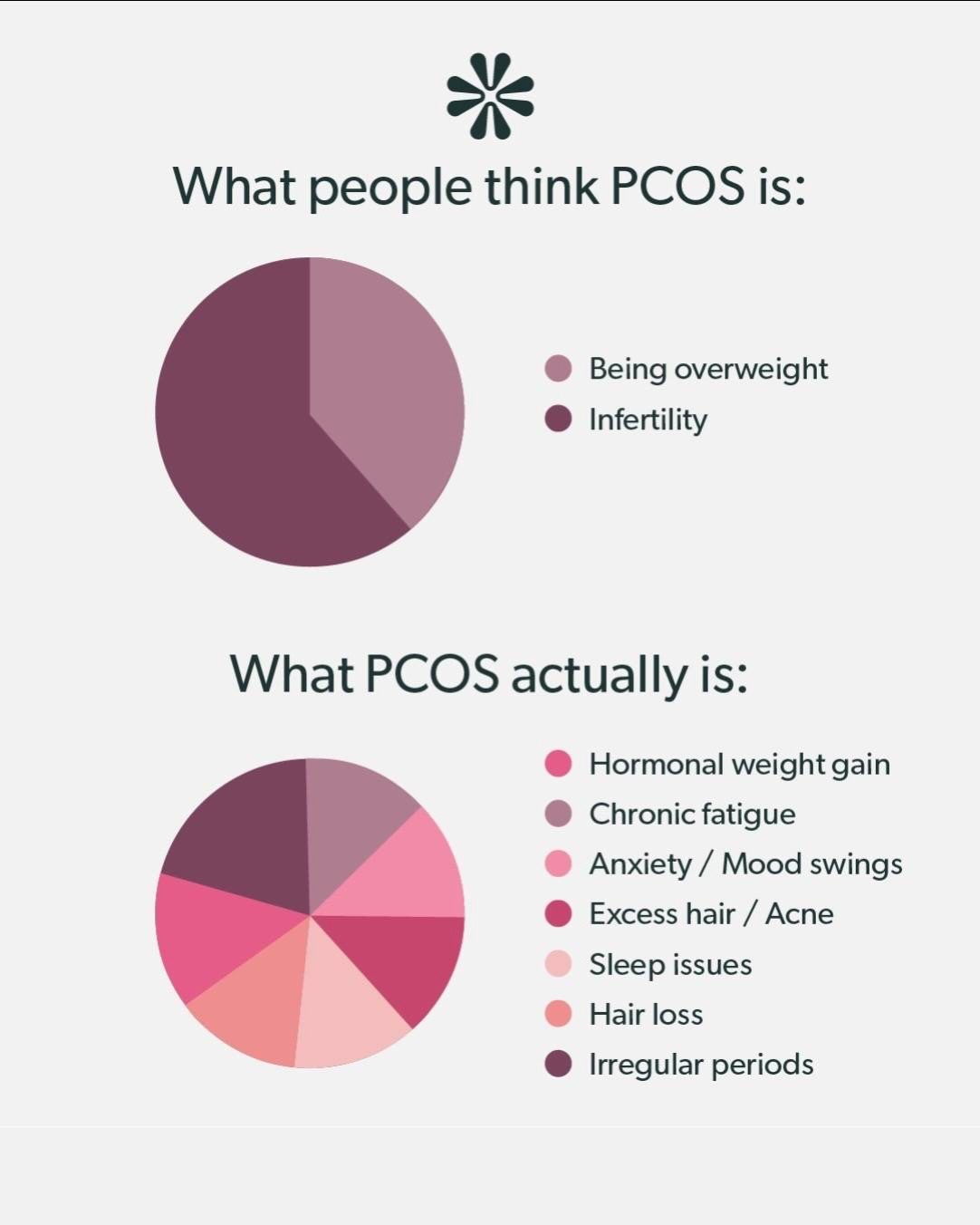
Polycystic Ovary Syndrome (PCOS) is a complex hormonal disorder that affects millions of women worldwide. Often misunderstood, PCOS is much more than just weight gain or infertility. This condition encompasses a range of symptoms, from hormonal weight gain and chronic fatigue to anxiety, sleep issues, and irregular periods.
Context / Why this matters
PCOS affects 1 in 10 women, making it one of the most common endocrine disorders among women of reproductive age. Despite its prevalence, PCOS remains underdiagnosed and often misunderstood. Many people associate it primarily with being overweight and infertility, but the reality is far more complex. Understanding the true nature of PCOS is crucial for better management and support for those affected.
Main discussion
Understanding PCOS: Beyond the Misconceptions
When it comes to PCOS, many misconceptions prevail. People often think of PCOS as simply being overweight or struggling with infertility. However, the reality is that PCOS is a multifaceted condition with a wide array of symptoms. These can include hormonal weight gain, chronic fatigue, anxiety, and mood swings. Other symptoms might involve excess hair or acne, sleep issues, hair loss, and irregular periods. These varied symptoms can significantly impact the quality of life for those diagnosed.
Common Symptoms of PCOS
The symptoms of PCOS can vary greatly from person to person. Some of the most common symptoms include:
- Hormonal weight gain: This refers to the difficulty in managing weight due to hormonal imbalances, making it challenging to lose weight through diet and exercise alone.
- Chronic fatigue: Feeling persistently tired, even after getting adequate sleep.
- Anxiety and mood swings: Emotional ups and downs that can be debilitating.
- Excess hair or acne: Increased levels of androgens (male hormones) can lead to these skin issues.
- Sleep issues: Difficulty falling or staying asleep, despite feeling exhausted.
- Irregular periods: Menstrual cycles that are irregular, heavy, or absent altogether.
- Hair loss: Androgenic alopecia, or pattern hair loss, is common in women with PCOS.
The Prevalence and Impact of PCOS
PCOS affects 1 in 10 women, making it a significant health concern. The condition can manifest differently for each individual, with some symptoms being more pronounced than others. The varied nature of PCOS means that each person's experience is unique, and treatment plans need to be individualized accordingly.
Managing PCOS: A Holistic Approach
Managing PCOS effectively often requires a holistic approach that addresses both the physical and emotional aspects of the condition. Gentle movement, consistent exercise, and sustainable habits are key components of a successful management plan. Unlike extreme diet or workout plans, sustainable practices are more likely to yield long-term results, especially for those dealing with hormonal imbalances.
Practical tips
Incorporating Gentle Movement
Gentle movement, such as yoga, pilates, or walking, can be particularly beneficial for women with PCOS. These activities help reduce stress, improve mood, and promote better sleep.
Consistent Exercise
Consistent exercise is crucial for managing PCOS. Aim for at least 30 minutes of moderate exercise most days of the week. This could include activities like swimming, cycling, or dancing.
Sustainable Habits
Creating sustainable habits is key to managing PCOS. This includes maintaining a balanced diet, getting enough sleep, and practicing self-care. Avoid extreme diets or exercise regimes that can be detrimental in the long run.
Nutrition and Weight Management
Nutrition plays a significant role in managing PCOS. A balanced diet rich in fruits, vegetables, lean proteins, and whole grains can help manage weight and improve overall health. Consulting with a registered dietitian can be helpful in creating a personalized nutrition plan.
Important takeaways
-
PCOS is a complex condition: Beyond weight gain and infertility, PCOS encompasses a range of symptoms, impacting both physical and mental health.
-
Individualized approach: Each person's experience with PCOS is unique, and so should be their management plan.
-
Holistic management: Incorporating gentle movement, consistent exercise, and sustainable habits is essential for effective PCOS management.
-
Normalizing conversations: Openly discussing PCOS helps reduce stigma and encourages better support for those affected.
Conclusion
Polycystic Ovary Syndrome is a complex and multifaceted condition that affects many women. Understanding its true nature and the variety of symptoms it includes is the first step in effective management. By adopting a holistic and individualized approach, women with PCOS can improve their overall well-being and quality of life. Remember, you are not alone in this journey, and it is possible to find a different, more supportive approach to managing your health.
Watch the Reel
Questions readers ask
What are the most common symptoms of PCOS?
The most common symptoms of PCOS include hormonal weight gain, chronic fatigue, irregular periods, anxiety, sleep issues, and mood swings. Other symptoms may include acne, thinning hair, and excess facial or body hair due to hormonal imbalances. Because these symptoms vary among individuals, it's important to consult with a healthcare provider for a proper diagnosis.
How prevalent is PCOS among women?
PCOS affects approximately 1 in 10 women, making it one of the most common endocrine disorders among women of reproductive age. This prevalence highlights the importance of raising awareness and understanding about the condition.
Is PCOS solely about weight gain and infertility?
No, PCOS is much more than just weight gain and infertility. While these can be symptoms, PCOS also encompasses a wide range of other issues, including anxiety, sleep disturbances, and chronic fatigue. The condition is complex and varies from person to person.
How can the Workit app help manage PCOS?
The Workit app offers personalized nutrition and workout routines tailored to individuals with PCOS. It provides a structured approach to managing symptoms through diet and exercise, which can help alleviate issues like hormonal weight gain, chronic fatigue, and anxiety. The app also offers community support, which can be beneficial for emotional well-being.
What are some treatment options for PCOS?
Treatment options for PCOS include lifestyle changes such as a balanced diet and regular exercise, as well as medical interventions like hormonal birth control and metformin. Some women may also benefit from therapies targeting specific symptoms, such as anxiety or sleep disturbances. It's essential to work with a healthcare provider to determine the best course of treatment.
Recent articles
Fresh deep dives from the latest Reels we unpacked.




Comments
Be the first to comment.