Hormone Imbalance and PCOS
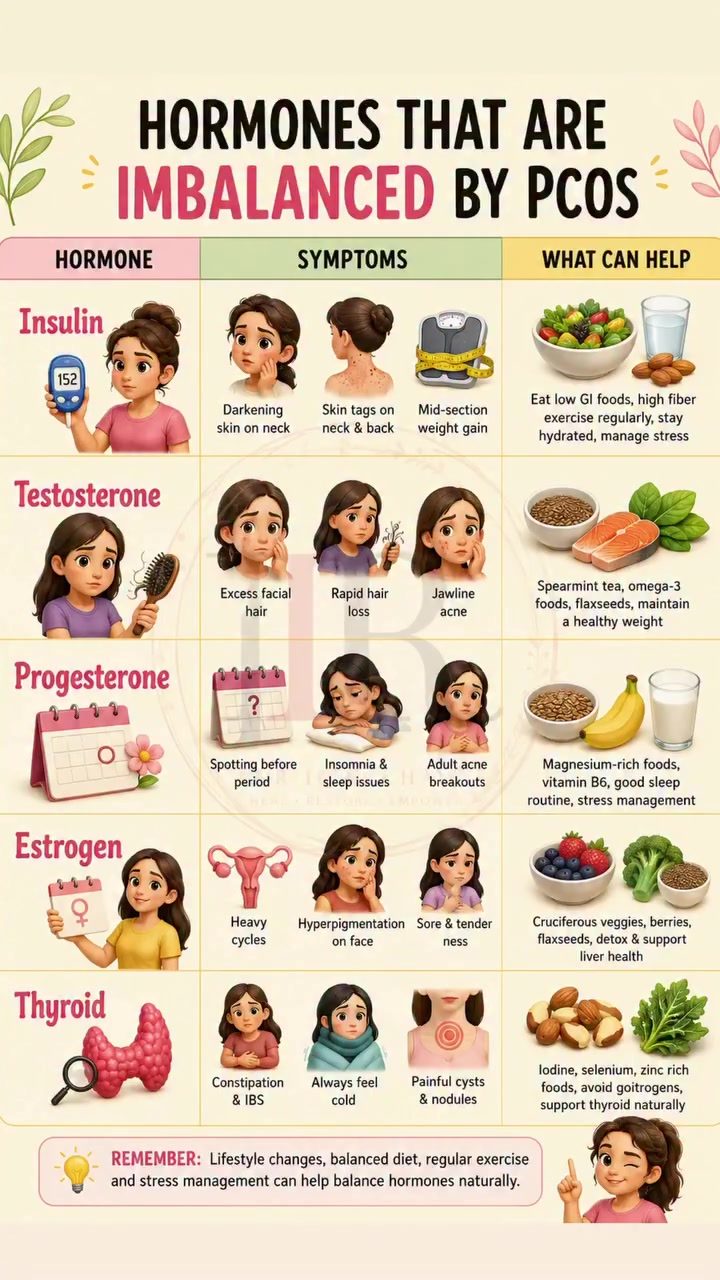
PCOS (Polycystic Ovary Syndrome) affects multiple hormones — not just one. The primary hormones affected by PCOS include insulin, androgens (like testosterone), progesterone, estrogen, and thyroid hormones. Understanding how PCOS impacts these hormones can help in managing symptoms and improving overall health.
Why This Matters
PCOS is a complex condition that affects various aspects of a woman's health, including reproductive health, metabolism, and overall well-being. By comprehending the role of different hormones and how PCOS influences them, individuals can take proactive steps to manage their symptoms more effectively.
Main Discussion
Insulin and PCOS
Insulin resistance is a common issue in women with PCOS. When the body becomes resistant to insulin, it can lead to weight gain and skin changes, such as acne. Managing insulin levels through a balanced diet and regular exercise can help mitigate these symptoms.
Androgens and PCOS
Androgens, such as testosterone, can cause a range of symptoms in women with PCOS. Elevated levels of androgens may lead to acne, excess facial hair, and hair thinning. Managing androgen levels through lifestyle changes, including a healthy diet and regular exercise, can help alleviate these symptoms.
Progesterone and PCOS
Low levels of progesterone can result from irregular ovulation, which is common in women with PCOS. This can lead to menstrual irregularities and other related symptoms. Natural approaches, such as stress management and a balanced diet, can help regulate progesterone levels.
Estrogen and PCOS
Estrogen levels can fluctuate significantly in women with PCOS, contributing to menstrual irregularities and other symptoms. Maintaining a healthy lifestyle, including regular exercise and quality sleep, can help stabilize estrogen levels and improve overall health.
Thyroid Hormones and PCOS
While thyroid disorders are not part of PCOS itself, they can coexist with the condition. Thyroid hormones play a crucial role in metabolism and overall health. Addressing thyroid issues through medical guidance can help manage PCOS symptoms more effectively.
Practical Tips
Dietary Changes
A balanced diet is essential for managing PCOS symptoms. Focus on whole foods, lean proteins, and plenty of fruits and vegetables. Avoid processed foods and refined sugars, as they can exacerbate insulin resistance and other symptoms.
Regular Exercise
Regular physical activity is crucial for managing PCOS. Aim for at least 30 minutes of moderate exercise most days of the week. This can help with weight management, improve insulin sensitivity, and reduce stress levels.
Stress Management
Chronic stress can exacerbate PCOS symptoms. Incorporate stress-reduction techniques into your daily routine, such as yoga, meditation, or deep breathing exercises. Quality sleep is also essential for overall health and hormone regulation.
Hydration and Weight Management
Staying hydrated and maintaining a healthy weight are critical for managing PCOS. Aim for at least eight glasses of water per day and work with a healthcare provider to develop a sustainable weight management plan.
Medical Guidance
While lifestyle changes can significantly improve PCOS symptoms, it's essential to work with a healthcare provider. Medical guidance can help tailor a treatment plan that addresses individual needs and ensures the best possible outcomes.
Important Takeaways
- Multiple Hormones Are Affected: PCOS affects multiple hormones, including insulin, androgens, progesterone, estrogen, and thyroid hormones.
- Symptoms Vary: Each hormone has specific symptoms associated with imbalance, such as weight gain, acne, and menstrual irregularities.
- Lifestyle Matters: Lifestyle changes, including a balanced diet, regular exercise, and stress management, can help balance hormones naturally.
- Consult a Professional: Work with a healthcare provider to develop a personalized treatment plan for managing PCOS symptoms effectively.
Conclusion
PCOS is a complex condition that affects multiple hormones and can lead to a variety of symptoms. By understanding the role of each hormone and how PCOS impacts them, individuals can take proactive steps to manage their symptoms more effectively. Incorporating lifestyle changes, such as a balanced diet, regular exercise, and stress management, can significantly improve overall health and well-being. Always consult with a healthcare provider to develop a personalized treatment plan tailored to individual needs.
Watch the Reel
Questions readers ask
What are the key hormones affected by PCOS?
PCOS impacts several key hormones, including insulin, androgens (such as testosterone), progesterone, estrogen, and thyroid hormones. These hormonal changes contribute to various symptoms and health issues associated with PCOS.
How does insulin resistance relate to PCOS?
Insulin resistance is a common occurrence in women with PCOS. When insulin resistance is present, the body struggles to effectively use insulin, which can lead to high blood sugar levels and an increased risk of developing Type 2 Diabetes.
Can PCOS affect thyroid function?
Yes, PCOS can affect thyroid hormone levels. Thyroid dysfunction, such as hypothyroidism or hyperthyroidism, is more common in women with PCOS. Thyroid issues can exacerbate PCOS symptoms, so regular thyroid checkups are essential for proper management.
What role do androgens play in PCOS?
Androgens, often referred to as male hormones, are present in higher levels in women with PCOS. Elevated androgen levels can lead to symptoms like acne, hair loss, and excessive hair growth on the face and body (hirsutism).
How do lifestyle changes help manage PCOS symptoms?
Lifestyle changes, such as maintaining a healthy weight through a balanced diet and regular exercise, can significantly improve PCOS symptoms. These changes help regulate hormone levels, including insulin and androgens, and promote overall well-being.
Recent articles
Fresh deep dives from the latest Reels we unpacked.




Comments
Be the first to comment.