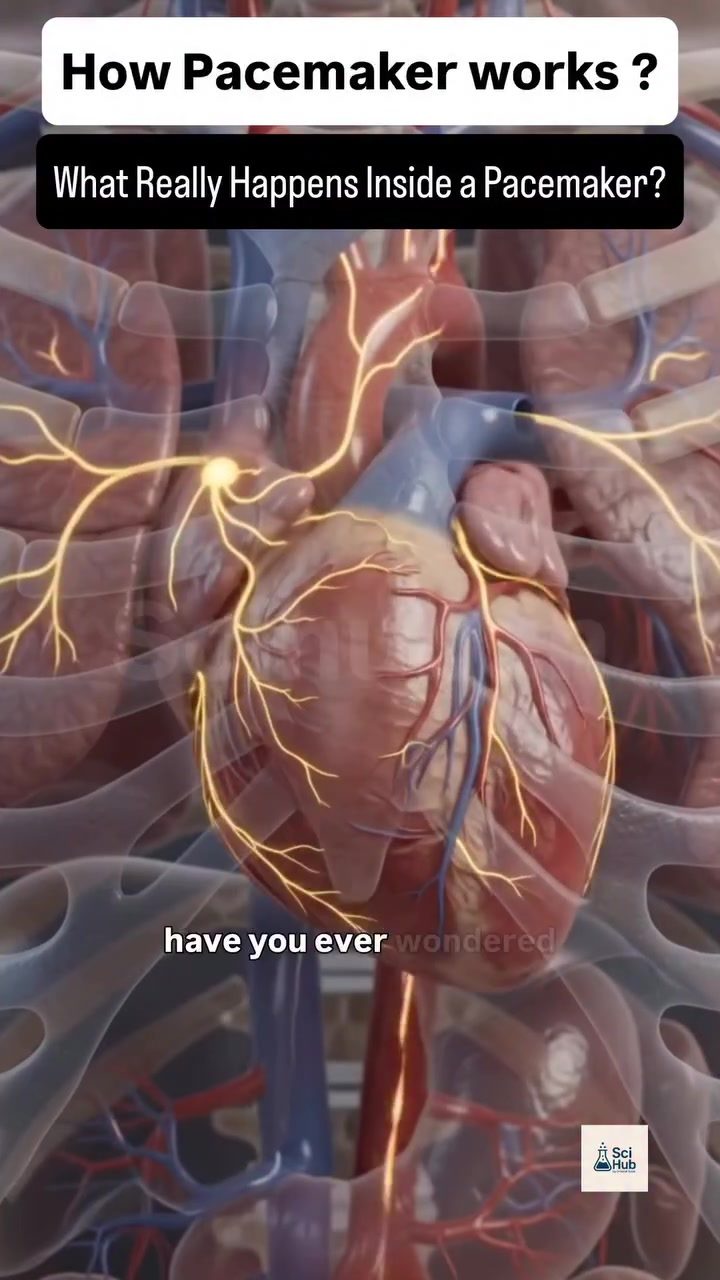
How Pacemakers Work to Regulate Heartbeat
The heart's rhythmic beating is a marvel of biology, but sometimes the heart's natural electrical system falters, requiring a pacemaker to step in. Pacemakers are lifesaving medical devices designed to help manage irregular heart rhythms. They monitor the heart's electrical activity and deliver small electrical impulses when necessary to restore a healthy heartbeat. Understanding how pacemakers function can provide valuable insight into heart health and the crucial role these devices play.
Why This Matters
Heart disease is a leading cause of death worldwide, and irregular heart rhythms, or arrhythmias, are a significant contributor. Pacemakers offer a reliable solution for many patients, improving their quality of life and reducing the risk of complications. By keeping the heart beating at a consistent pace, pacemakers can alleviate symptoms and prevent more severe conditions, such as heart failure.
Inside a Pacemaker
Constant Monitoring
Pacemakers are equipped with a tiny computer that continuously monitors the heart's electrical activity. This constant vigilance ensures that any irregularities are promptly detected. When the heart beats too slowly or misses a beat, the pacemaker's computer springs into action. It sends a small electrical pulse through a lead connected to the heart, triggering a normal contraction and restoring a healthy rhythm.
Electrical Impulses
The electrical impulses sent by the pacemaker are carefully calibrated to mimic the heart's natural electrical signals. The device's programming allows it to adapt to the patient's specific needs, ensuring that the impulses are neither too strong nor too weak. This precision is crucial for maintaining the heart's natural rhythm and preventing further complications.
The Pacemaker's Components
Battery and Computer
The pacemaker's battery is a critical component, providing the power needed to operate the device and send electrical impulses. Modern pacemakers use lithium batteries that can last for several years, reducing the need for frequent replacements. The tiny computer, or pulse generator, is responsible for monitoring the heart's rhythm and sending the necessary signals to regulate it.
Leads
Leads are thin, insulated wires that connect the pacemaker to the heart's chambers. They conduct the electrical impulses from the pacemaker to the heart muscle, ensuring that the impulses reach their target. Leads are typically placed in the right atrium and right ventricle, allowing the pacemaker to coordinate the heart's contractions effectively.
The Natural Pacemaker
Your heart has its own natural pacemaker, known as the sinoatrial (SA) node. Located in the right atrium, the SA node generates electrical impulses that travel through the heart, causing the muscles to contract in a coordinated manner. In a healthy heart, these impulses originate in the SA node and flow through the atrioventricular (AV) node, which then sends them to the ventricles, causing them to contract and pump blood.
Pacemaker Implantation
The implantation of a pacemaker is a surgical procedure that typically involves a local anesthetic. The pacemaker is usually implanted just under the skin near the collarbone, with leads inserted through a vein and guided to the heart. The procedure is minimally invasive and can be performed on an outpatient basis, allowing patients to return home the same day.
Practical Tips
Post-Implantation Care
After a pacemaker is implanted, it is essential to follow specific guidelines to ensure proper functioning and longevity. Regular follow-up appointments with a cardiologist are crucial for monitoring the device's performance and making any necessary adjustments. Avoiding strong magnetic fields and electromagnetic interference is also important, as these can disrupt the pacemaker's operation.
Lifestyle Adjustments
Living with a pacemaker often requires some lifestyle adjustments. Patients are advised to avoid high-impact activities that could dislodge the leads or damage the device. Electromagnetic interference from certain appliances and devices should also be minimized. Regular exercise and a healthy diet can help maintain overall heart health and reduce the risk of complications.
Important Takeaways
- Constant Monitoring: Pacemakers continuously monitor the heart's electrical activity, ensuring that any irregularities are promptly detected and corrected.
- Electrical Impulses: The device sends small, carefully calibrated electrical impulses to mimic the heart's natural signals and restore a healthy rhythm.
- Components: The pacemaker consists of a battery, a tiny computer, and leads that conduct electrical impulses to the heart.
- Natural Pacemaker: The heart's natural pacemaker, the sinoatrial (SA) node, generates electrical impulses that coordinate heart contractions.
- Implantation and Care: Pacemaker implantation is a minimally invasive procedure, followed by regular monitoring and lifestyle adjustments to ensure optimal performance.
Conclusion
Pacemakers play a pivotal role in managing irregular heart rhythms, offering a reliable solution for many patients. By continuously monitoring the heart's electrical activity and sending calibrated electrical impulses, these devices help maintain a healthy heartbeat. Understanding how pacemakers work can provide valuable insights into heart health and the essential role these devices play in enhancing the quality of life for those with cardiac issues.
Watch the Reel
Questions readers ask
How do pacemakers monitor the heart's electrical activity?
Pacemakers use small sensors to detect the heart's electrical signals. These sensors are connected to electrodes that are placed in the heart. When the heart's natural electrical system falters, these sensors pick up the abnormal signals and trigger the pacemaker to deliver an electrical impulse.
What are the key functions of a pacemaker?
The primary functions of a pacemaker are to monitor the heart's electrical activity, detect irregularities, and deliver small electrical impulses to regulate the heartbeat. This ensures a consistent, healthy rhythm, crucial for those with arrhythmias.
How do pacemakers help in managing arrhythmias?
Arrhythmias occur when the heart's electrical system malfunctions, causing an irregular heartbeat. Pacemakers correct these irregularities by delivering precise electrical impulses at the right moment, helping the heart to beat in a regular, consistent rhythm. This reduces symptoms and lowers the risk of complications.
What happens when a pacemaker delivers an electrical impulse?
When a pacemaker delivers an electrical impulse, it stimulates the heart muscle to contract. This contraction helps to restore a normal heartbeat rhythm. The impulse is carefully timed to mimic the heart's natural electrical activity, ensuring that the heartbeat remains steady and consistent.
How small are pacemakers and how do they fit inside the body?
Modern pacemakers are quite small, often about the size of a small pocket watch. They are typically implanted just beneath the skin in the chest area. Leads, or thin wires, connect the pacemaker to the heart, allowing it to monitor and regulate the heartbeat effectively.
Can a pacemaker support natural heart rhythms?
Yes, a pacemaker is designed to support and complement the heart's natural electrical activity. It only intervenes when it detects an irregularity, delivering an electrical impulse to correct the issue. This means that the pacemaker works in tandem with the heart's natural processes to maintain a healthy rhythm.
How do pacemakers contribute to managing heart disease?
Pacemakers play a crucial role in managing heart disease by regulating heart rhythms. Many forms of heart disease, such as arrhythmias, can lead to serious complications, including stroke and heart failure. By maintaining a consistent heartbeat, pacemakers help to reduce these risks and improve overall heart function.
Related deep dives
Similar reads based on topic and creator.


Recent articles
Fresh deep dives from the latest Reels we unpacked.




Comments
Be the first to comment.