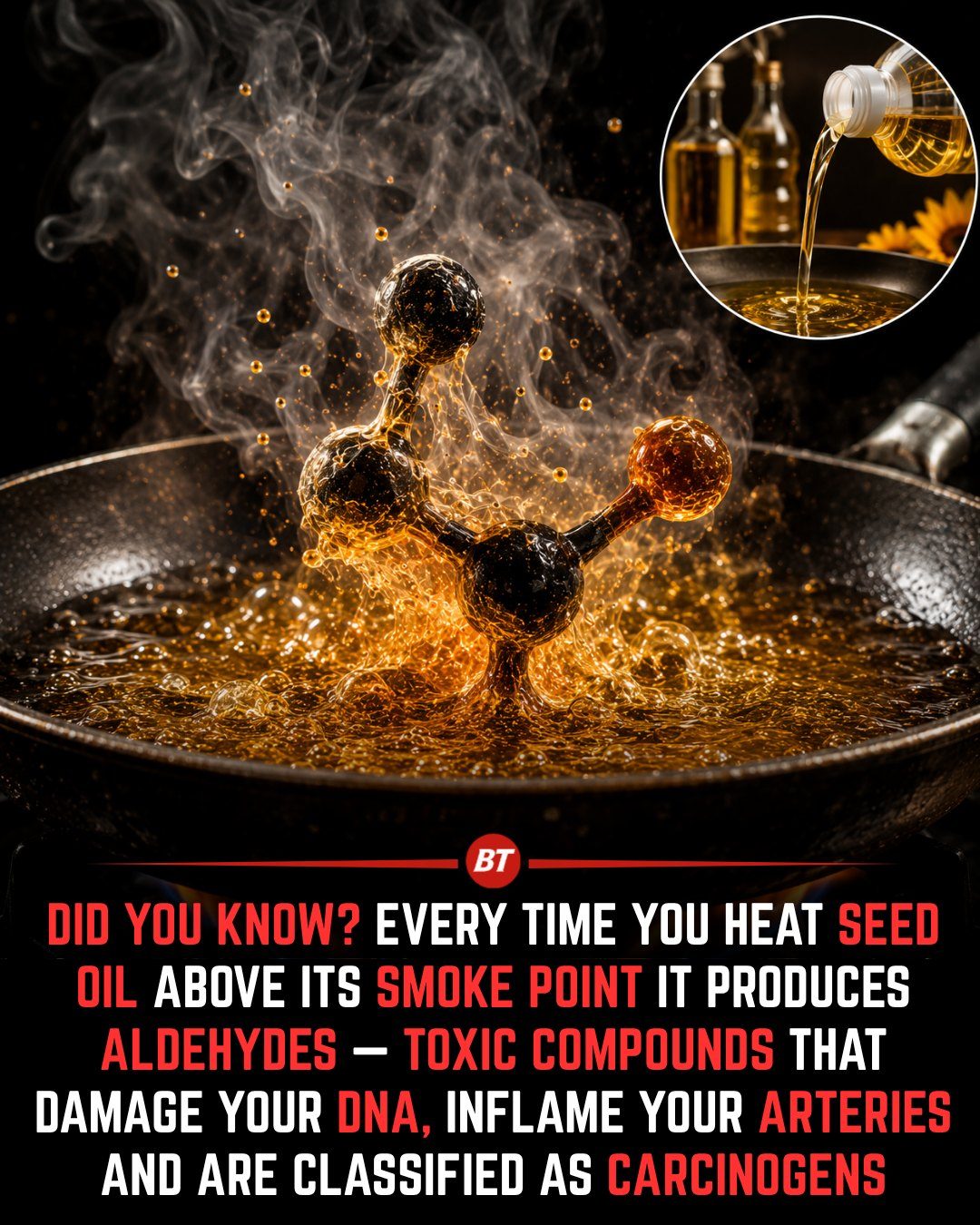
Cooking Oil Safety
Cooking oil is a staple in every kitchen, but not all oils are created equal when it comes to heat tolerance. Understanding the smoke point of your cooking oil is crucial for both flavor and safety. The smoke point is the temperature at which an oil begins to break down and produce smoke. When oils are repeatedly overheated beyond this point, they can produce aldehydes, reactive compounds that scientists are actively studying for their potential long-term health effects.
Why This Matters
Smoke points vary widely among different types of cooking oils. For example, seed oils rich in polyunsaturated fats, such as sunflower, soybean, and corn oil, are more prone to oxidation during prolonged high-heat cooking. This oxidation process can lead to the formation of aldehydes and other breakdown products, which not only reduce the flavor and quality of the oil but also pose potential health risks.
Types of Cooking Oils and Their Smoke Points
Seed Oils
Seed oils are often used in cooking due to their neutral flavor and high smoke points. However, they are also prone to oxidation when heated at high temperatures. This oxidation increases the formation of harmful compounds, including aldehydes. Some examples of seed oils include:
- Sunflower Oil: With a smoke point of around 400°F (204°C), sunflower oil is versatile for various cooking methods but can degrade quickly under high heat.
- Soybean Oil: Similar to sunflower oil, soybean oil has a smoke point of about 400°F (204°C) but is less stable when exposed to high heat for extended periods.
- Corn Oil: Corn oil has a smoke point of around 450°F (232°C) and is more suitable for high-heat cooking, but its polyunsaturated fat content makes it susceptible to oxidation.
More Heat-Resistant Oils
To mitigate the risks associated with overheating seed oils, consider using these more heat-resistant oils:
- Avocado Oil: With a high smoke point of 520°F (271°C), avocado oil is ideal for high-heat cooking methods like frying and sautéing. Its monounsaturated fat content makes it more stable under heat.
- Beef Tallow: This traditional cooking fat has a high smoke point of around 420°F (216°C) and is excellent for searing and frying. It is rich in saturated fats, which are more stable under high heat.
- Ghee: Clarified butter with a smoke point of about 485°F (252°C), ghee is great for high-heat cooking and has a rich, buttery flavor. Its clarified nature makes it more heat-resistant than regular butter.
- Refined Olive Oil: Refining olive oil removes impurities and increases its smoke point to around 468°F (242°C), making it suitable for high-heat cooking. However, it lacks the beneficial compounds found in extra virgin olive oil.
The Impact of Overheating
When oils are heated beyond their smoke point, they produce aldehydes, which are toxic compounds that can damage DNA, inflame arteries, and are even classified as carcinogens. Laboratory studies have shown that these compounds can contribute to oxidative stress and cellular damage, highlighting the importance of avoiding repeatedly overheating cooking oils or reusing the same oil multiple times.
Oxidation and Breakdown Products
Oxidation is a natural process in which fats react with oxygen, leading to the formation of aldehydes and other breakdown products. This process not only affects the flavor and quality of the oil but also its nutritional value. For instance, heated seed oils can lose their beneficial compounds and become rancid, which is both unsafe and undesirable for cooking.
The breakdown products of oxidation can also contribute to free radical formation in the body, which can lead to oxidative stress and cellular damage. Oxidative stress has been linked to various health issues, including cardiovascular diseases, inflammation, and cancer.
Practical Tips
Choosing the Right Oil
When selecting a cooking oil, consider the type of cooking you will be doing. For high-heat cooking methods like frying, grilling, and searing, choose oils with high smoke points such as avocado oil, beef tallow, ghee, or refined olive oil. For lower-heat cooking or dressings, opt for extra virgin olive oil or delicate seed oils to preserve their beneficial compounds.
Storing and Handling Oils
Proper storage and handling of cooking oils can extend their shelf life and reduce the risk of oxidation. Store oils in a cool, dark place away from direct sunlight and heat sources. Use airtight containers and avoid exposing oils to air for extended periods. Additionally, consider using smaller containers to minimize air exposure and reduce the need for long-term storage.
Reusing Cooking Oils
Reusing cooking oils can be convenient, but it is essential to be cautious. Oils that have been repeatedly heated and reused can accumulate harmful compounds and lose their beneficial properties. If you must reuse cooking oil, ensure it is properly strained and stored in a cool, dark place. Avoid reusing oils that show signs of degradation, such as a change in color, smell, or taste.
Important Takeaways
1. Smoke Points Matter
Understanding the smoke point of your cooking oil is crucial for both flavor and safety. Repeatedly overheating oils beyond their smoke point can lead to the formation of harmful compounds, including aldehydes, which can pose health risks.
2. Choose the Right Oil for the Job
Different oils have different heat tolerances. For high-heat cooking, opt for more heat-resistant oils like avocado oil, beef tallow, ghee, or refined olive oil. For low- to medium-heat cooking or dressings, choose oils rich in beneficial compounds, such as extra virgin olive oil or delicate seed oils.
3. Handle and Store Oils Properly
Proper storage and handling of cooking oils can help maintain their quality and reduce the risk of oxidation. Store oils in a cool, dark place, use airtight containers, and avoid reusing oils that show signs of degradation.
Conclusion
Cooking oils are an essential part of every kitchen, but choosing the right oil for the job and understanding its smoke point is crucial for both flavor and safety. By selecting the appropriate oil for your cooking method and handling and storing oils properly, you can minimize the risk of harmful compound formation and preserve the beneficial properties of your oils.
Watch the Reel
Questions readers ask
What is the smoke point of a cooking oil and why is it important?
The smoke point of a cooking oil is the temperature at which the oil begins to break down and produce smoke. It's important to note this point because exceeding it can lead to the formation of harmful compounds and negatively impact the oil's flavor and safety. Cooking above the smoke point of a specific oil can lead to production of aldehydes, which are reactive compounds scientists are actively studying.
Which cooking oils are most prone to oxidation during high-heat cooking?
Seed oils rich in polyunsaturated fats, such as sunflower, soybean, and corn oil, are more susceptible to oxidation during prolonged high-heat cooking. These oils have lower smoke points and can break down more easily, forming harmful compounds when exposed to high temperatures.
How does the breakdown of cooking oils affect their safety and flavor?
When cooking oils break down, they release harmful compounds, such as aldehydes, which can negatively impact the flavor of the food and potentially pose long-term health risks. The breakdown of oils can also cause a change in the oil’s flavor and aroma. Additionally, overheated oils can cause smoke, which can be harmful when inhaled and can also affect the overall cooking environment.
What are some safe cooking temperatures for common cooking oils?
Safe cooking temperatures vary by oil. For instance, olive oil has a smoke point around 375-405°F (190-208°C), while avocado oil has a higher smoke point of about 520°F (271°C). It's crucial to choose an oil with a smoke point that matches or exceeds your intended cooking temperature to ensure safety and flavor.
What are some tips for choosing the right cooking oil for high-heat cooking?
When choosing a cooking oil for high-heat cooking, opt for oils with high smoke points, such as avocado oil, grapeseed oil, or extra light olive oil. These oils can withstand higher temperatures without breaking down. Avoid oils with lower smoke points, like unrefined olive oil or flaxseed oil, for high-heat cooking.
Why do some oils produce harmful compounds when heated?
Some oils, particularly those rich in polyunsaturated fats like sunflower, soybean, and corn oil, produce harmful compounds when heated due to a process called oxidation. This process can lead to the formation of aldehydes, which are reactive compounds that scientists are actively studying. Understanding an oil's smoke point can help you avoid overheating and the subsequent production of these compounds.
Related deep dives
Similar reads based on topic and creator.




Recent articles
Fresh deep dives from the latest Reels we unpacked.




Comments
Be the first to comment.